Track Four Faithful: Manchester's Most Devoted Deep Cut Disciples

Photo: Donald Trung Quoc Don (Chữ Hán: 徵國單) - Wikimedia Commons - © CC BY-SA 4.0 International.(Want to use this image?)Original publication 📤: --Donald Trung 『徵國單』 (No Fake News 💬) (WikiProject Numismatics 💴) (Articles 📚) 21:46, 3 January 2020 (UTC), CC
Track Four Faithful: Manchester's Most Devoted Deep Cut Disciples
Somewhere in Manchester right now, there's a person who genuinely believes that the B-side of a 1996 limited pressing is the defining artistic statement of a band's entire career. They will tell you this with complete conviction. They will play it to you at a volume that makes conversation impossible. And they will be slightly, quietly disappointed when you don't immediately agree that it's better than the three top-ten singles the same band released that year.
This person is not wrong. They are, in fact, one of the most important people in any city's music culture. They are the keeper of the deep cuts, the archivist of the overlooked, and the tireless advocate for the songs that never got the audience they deserved. Manchester has always produced them in unusual numbers, and the city is all the better for it.
What Makes a Deep Cut Disciple
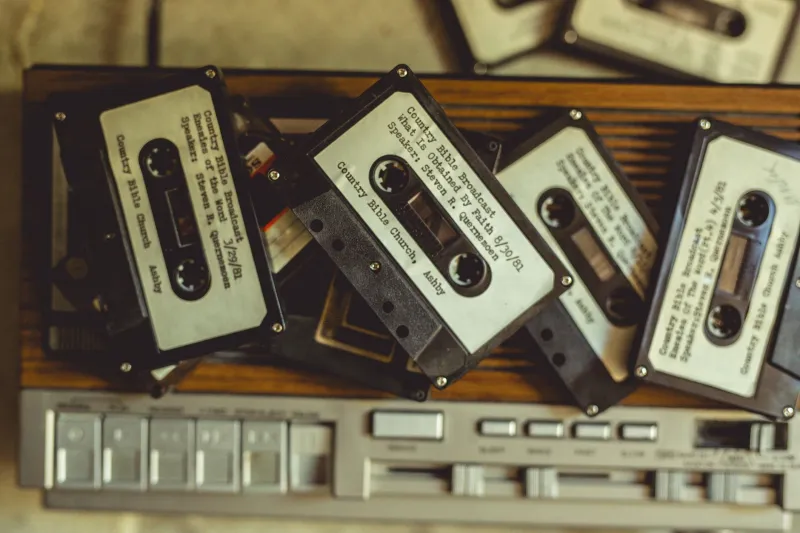
First, a definition. A deep cut is not simply a song that wasn't a single. It's a song that rewards attention in a way that the obvious crowd-pleasers don't. It might be buried at the end of an album, or it might be the third track on an EP that only got a thousand physical copies pressed. It might be a live favourite that never made it onto a studio record, or a demo that circulated on cassette in the late eighties and now exists in maybe fifty people's collections.
The deep cut disciple is the person who found that song and was changed by it. Not mildly impressed — genuinely altered. The experience of discovering a piece of music that feels like it was made specifically for you, that seems to articulate something you'd never found words for, is one of the most profound things music can do. And crucially, the rarity of that song — the fact that most people haven't heard it — becomes part of its meaning. It's yours in a way that a ubiquitous chart hit can never quite be.
In Manchester, this personality type has been cultivated across generations by a unique combination of factors: record shops that stocked the weird stuff, radio presenters who championed the overlooked, and a local music culture that has always placed more value on authenticity than on commercial success.
The Collector's Mentality
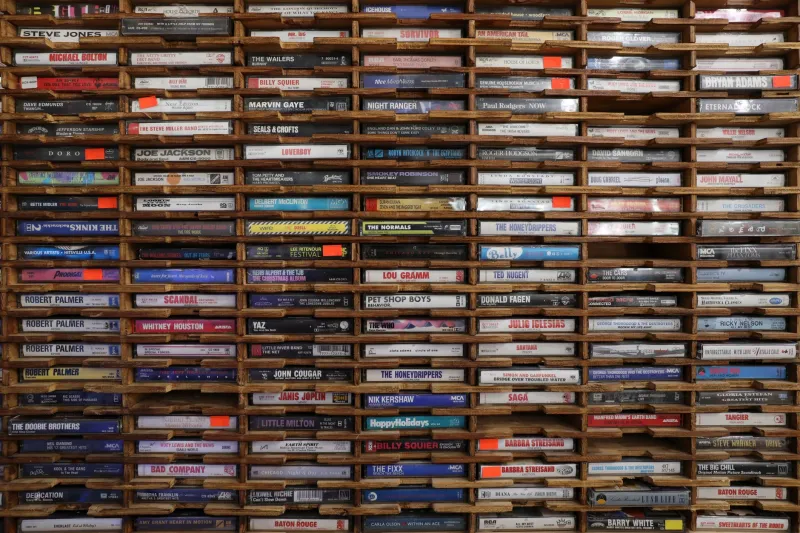
For many deep cut devotees, the obsession manifests physically. They collect vinyl, CDs, cassettes, and occasionally formats that require equipment most people haven't thought about since 1991. The Manchester record shop scene — still alive and still brilliant despite everything the internet has thrown at it — is partly sustained by these people, who will spend an afternoon flicking through crates looking for a specific B-side that they already know from a digital file but need to own in physical form.
There's a logic to this that makes complete sense once you understand the mindset. Owning the object is a declaration of intent. It says: this music matters enough to me that I want it to exist in my home as a physical thing. It says: I am not a casual listener. It says: I know something about this band that most people don't, and this record is the evidence.
The conversations that happen between collectors in Manchester's remaining record shops are something to behold. They operate in a language of catalogue numbers, pressing variants, and track listings that sounds like complete gibberish to the uninitiated but is actually a sophisticated form of musical scholarship. These people know more about the bands they love than the bands themselves probably remember.
The Gig Moment
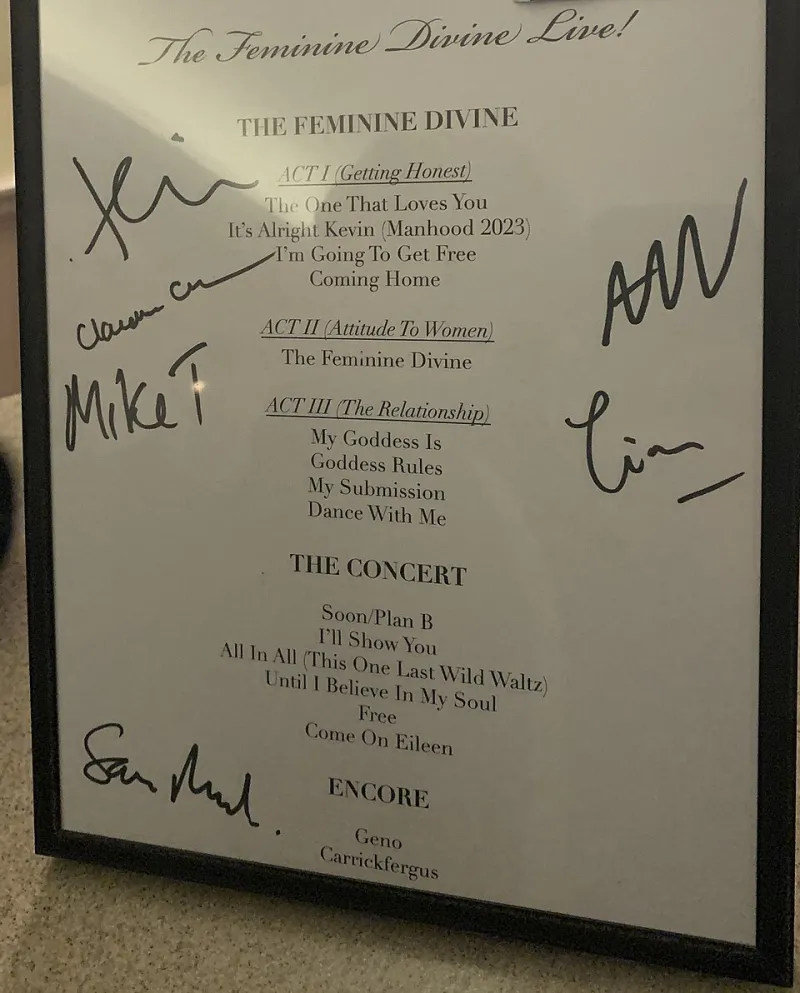
If you want to identify a deep cut devotee at a live show, watch their face during the setlist. When the big hits come on, they're engaged but composed — they've heard these songs a thousand times and they're fine with them. But when the band reaches into the back catalogue and pulls out something unexpected — an album track from the second record that most people in the room have never heard live — that's when the real fans reveal themselves.
The reaction is unmistakable. A kind of electric recognition, followed by an involuntary physical response — the sharp intake of breath, the immediate turn to whoever they came with, the mouthed oh my god that doesn't need any volume to communicate its intensity. If you're standing near one of these people when their song comes on, you will feel their joy radiating outward like a small personal sun.
This is why deep cut disciples are, almost universally, the best people to attend gigs with. They bring an attention and an investment to live music that is genuinely infectious. They notice things. They appreciate things. They create a quality of attention in their immediate vicinity that elevates everyone else's experience.
The Evangelist Impulse
Here's the thing about people who love deep cuts: they cannot keep it to themselves. It is a fundamental characteristic of the type that the music must be shared. Not in an aggressive way — well, occasionally in a slightly aggressive way — but from a place of genuine generosity. They have been given something wonderful and they want to pass it on.
Manchester has always had a strong tradition of this kind of musical evangelism. The mix tape culture of the eighties and nineties — which in this city was practically a competitive sport — was largely driven by deep cut enthusiasts who wanted to introduce their friends to the tracks that had changed them. That impulse hasn't died; it's just migrated to playlists and WhatsApp voice notes and the occasional very earnest conversation at a bar after a gig.
The best deep cut evangelists are brilliant company because they make you hear music differently. They'll point out a specific guitar line in the bridge of a forgotten B-side and suddenly you'll hear the entire song in a new way. They'll explain the context in which something was recorded and give a throwaway track a whole new emotional weight. They're essentially walking, talking music critics who happen to be your mates.
Why the Deep Cuts Matter
There's a broader point here worth making. In an era of algorithmic playlists and streaming services that serve you an endless supply of the most popular songs by any given artist, the deep cut devotee performs a genuinely important cultural function. They resist the flattening of musical identity into a handful of recognisable moments. They insist on the full picture.
A band is not their three biggest singles. A band is the complete body of work — the experiments that didn't quite land commercially, the album tracks that were too long or too strange for radio, the B-sides that were written in an afternoon and somehow ended up being the most honest thing they ever recorded. The deep cut disciples of Manchester understand this instinctively, and they guard that understanding fiercely.
So next time someone corners you at a gig and tells you that the fourth track on the second album is actually the key to understanding everything the band ever did — lean in. They might just be right. And even if they're not, the conversation will be better than anything you'd have found on the playlist.