Scraps of History: What Manchester's Hoarded Ticket Stubs Tell Us About the Nights We Almost Forgot
Scraps of History: What Manchester's Hoarded Ticket Stubs Tell Us About the Nights We Almost Forgot
There's a shoebox under Diane Mellor's bed in Didsbury that contains more genuine Manchester music history than most published books on the subject. Inside: a crumpled stub from the Haçienda dated March 1989, a neon-pink wristband from a night at the Boardwalk that she can't quite date but absolutely cannot throw away, and a receipt from the International 2 on Anson Road that cost her £3.50 and changed her life. "People think I'm daft for keeping them," she says, laughing. "But those bits of paper are proof. Proof that I was there. Proof that those places existed."
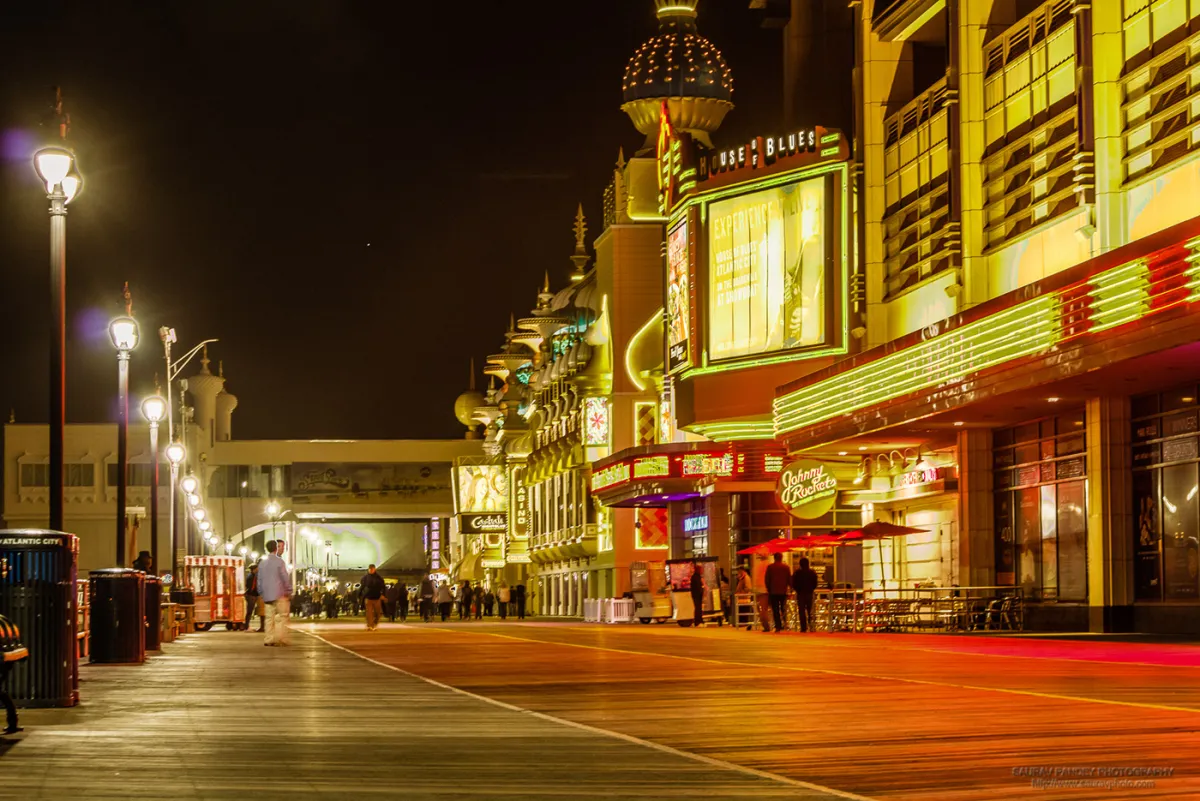 Photo: The Boardwalk, via mir-s3-cdn-cf.behance.net
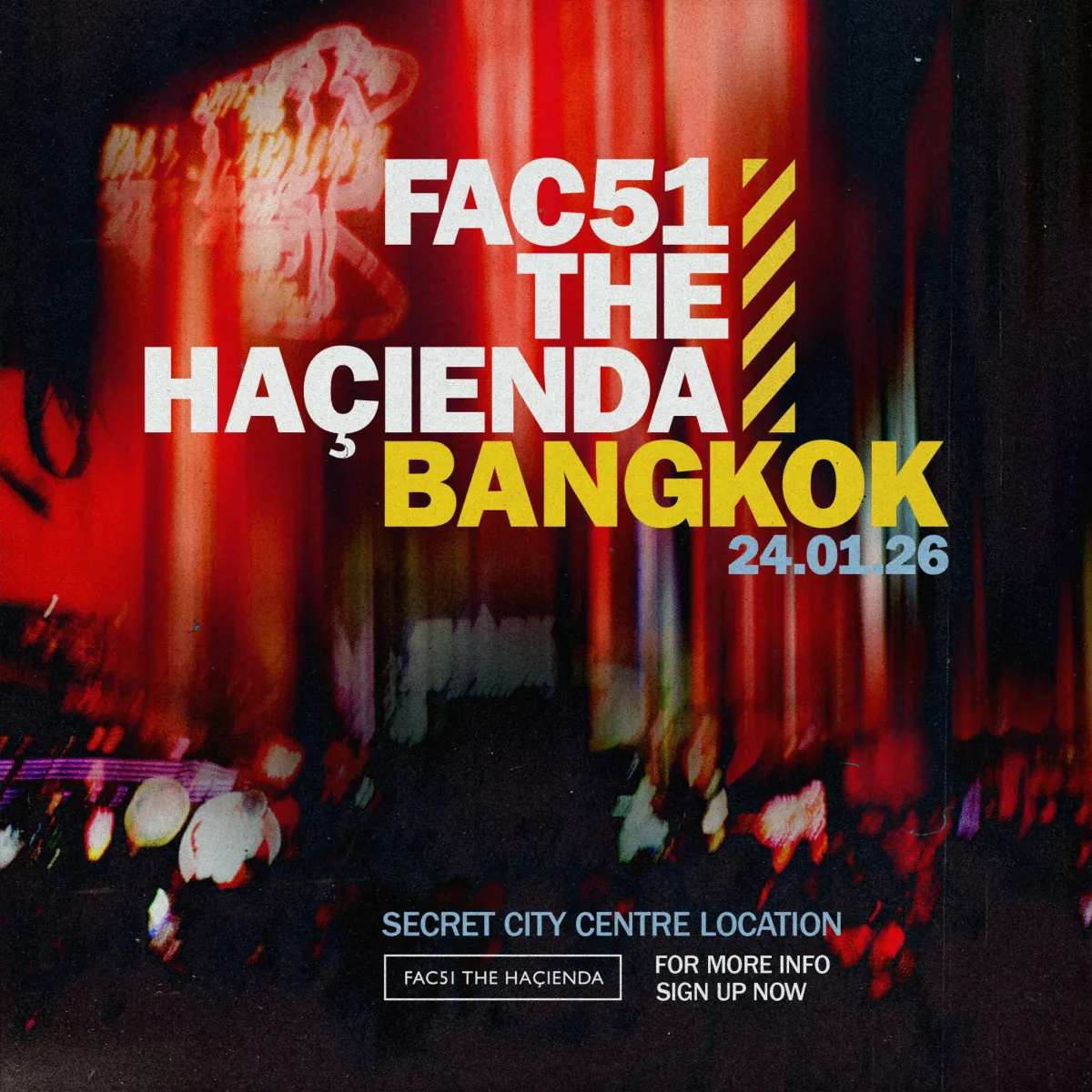 Photo: The Haçienda, via fac51-thehacienda.com
She's not alone. Across Manchester, in flats and terraced houses from Levenshulme to Salford, there are people sitting on treasure troves of musical ephemera — ticket stubs, entry wristbands, torn-off cloakroom receipts — that together form a shadow archive of the city's lost decades. Not the official history. The real one.
What a Ticket Stub Actually Tells You
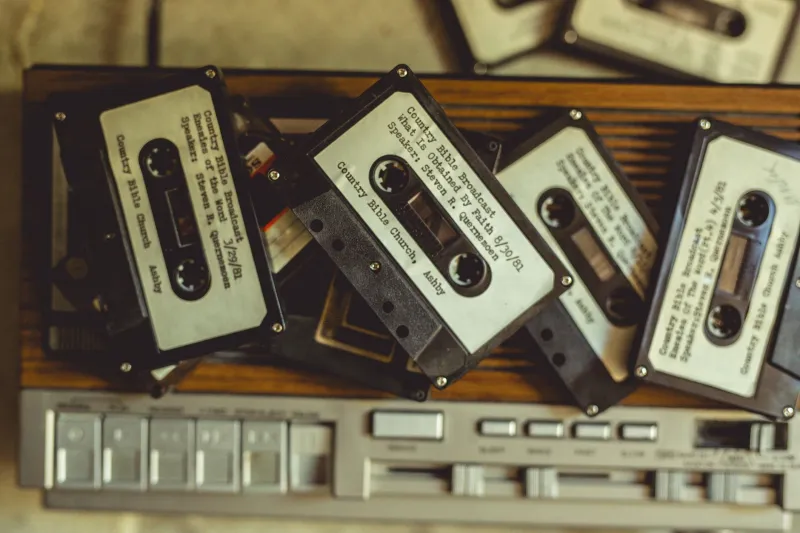
On the surface, a ticket stub is just a bit of card. But look closer and it starts talking. The price tells you something about who a venue was trying to attract. The font and print quality gives you a rough decade. The name of the supporting act — often printed in tiny letters at the bottom — can be the most revealing detail of all.
Former promoter Carl Hendricks, who ran nights at several now-defunct venues across the city throughout the nineties, reckons you can read an entire venue's philosophy from its ticketing. "The Boardwalk had this very DIY energy — the tickets looked almost photocopied sometimes, like someone had done them at the last minute on a mate's printer. Which, to be fair, they probably had. But that was the point. It felt accessible. It felt like it was for everyone."
Contrast that with the glossier, more corporate-feeling stubs that started appearing as the noughties rolled in, and you've got a visual record of how commercialisation crept into Manchester's live music landscape. The shift from hand-stamped entry to barcode scanning didn't just change how you got through the door — it changed the whole vibe of what was waiting on the other side.
The Prices That Make You Want to Cry
If there's one detail on old ticket stubs guaranteed to provoke a physical reaction, it's the admission price. A stub from a mid-nineties show at the Roadhouse — £4 on the door, £3 in advance — does something painful to you when you're used to paying £35 plus booking fees for a similar-sized gig today. And that's before the service charge, the facility levy, and whatever else the ticketing platforms have decided to invent this week.
"I've got a stub from a show at the Night and Day in about 2001," says collector and lifelong Manc music obsessive Pete Armitage. "Four quid. Four. And that included a support act who went on to headline arenas. I know that sounds like old man talk, but it genuinely meant that anyone could go. Your mates from school who were skint, your sister who'd just started working in a café — everyone could afford to be part of it."
Those price points weren't just economically democratic. They shaped the culture of the rooms themselves. When entry is affordable, the crowd is mixed. When the crowd is mixed, the energy is different. Some of Manchester's most legendary nights happened in rooms where nobody had spent more than a fiver getting in.
The Venues That Only Exist on Paper Now
Perhaps the most poignant function of these collected stubs is as memorials. The Haçienda closed in 1997. The Boardwalk shut its doors in 1999. The International 2, the Venue, the Ritz in its pre-corporate incarnation — these places live on in memory and, crucially, in the physical record of everyone who kept their ticket.
Diane pulls out a stub from a night at the Venue on Whitworth Street West. The building's been something else entirely for years now. "If I didn't have this," she says, holding it up to the light, "I'd start to wonder if I'd imagined it. You know how it is — you tell younger people about these places and they look at you like you're making it up. But here it is. Proof."
Former Venue regular and local music blogger Ste Knowles has been attempting to cross-reference his collection with those of other fans online, building what he calls "a people's archive" of Manchester nightlife. "The official records are patchy at best. Council archives, music press, they don't capture everything. But between us, the fans who kept their stubs, we've got something close to a complete picture."
The Art of the Wristband
It's not just paper tickets, either. The fabric wristbands that became standard issue at Manchester venues from the late nineties onwards have their own devoted collectors. Faded, stretched, sometimes still faintly smelling of whatever the floor was made of, they're tactile in a way a digital ticket confirmation will never be.
"I kept every wristband from every festival and all-dayer I went to between about 1998 and 2006," says Salford-based musician and fan Robbie Tench. "I used to stack them on my bedpost. My mum thought I was mental. But each one is a weekend. Each one is a story."
Why This Stuff Matters
It would be easy to dismiss ticket stub collecting as nostalgia for its own sake — a generation getting misty-eyed about their youth. But there's something more substantial happening here. These fragments are filling in gaps that official histories leave wide open. They're correcting the record on who played where, when, and for how much. They're keeping alive the memory of venues that corporate redevelopment has erased from the physical landscape.
And they're a reminder that Manchester's music scene was built on access. On the idea that a great night out shouldn't require a credit card and a week's wages. The stubs prove it. Right there in faded ink: £3.50. £4. £2.50 for students. Come in, the music's for everyone.
Diane slides the shoebox back under the bed with the careful reverence of someone returning something precious to a safe. "I'll never throw them away," she says simply. "Never. These are Manchester. The real Manchester. And somebody's got to keep it."