Written in Biro: The Beautiful Tradition of Manchester Bands Giving Away Their Setlists
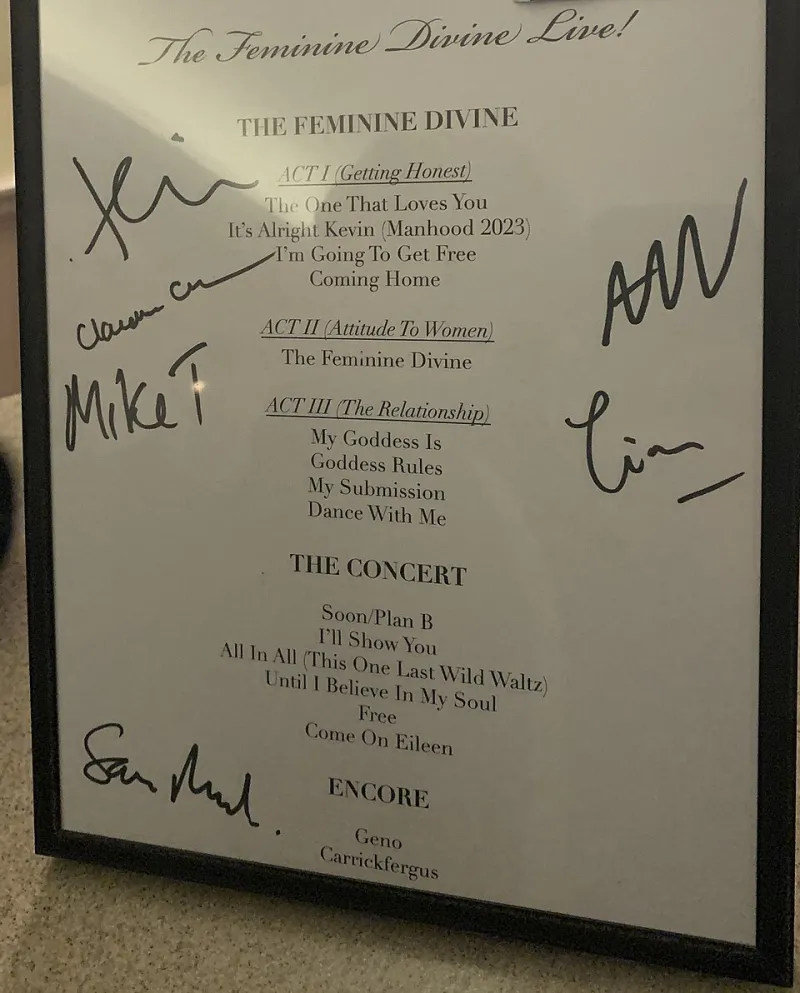
Photo: Unknown authorUnknown author, Public domain, via Wikimedia Commons
Somewhere in a frame on the wall of a semi in Stretford, there's a piece of A4 paper that's been folded in half twice, written on in thick black marker, and slightly beer-stained along one edge. It lists eleven song titles in a handwriting that's simultaneously rushed and deliberate — the handwriting of someone who had about forty-five seconds to commit the night's running order to paper before the house lights dropped. At the bottom, almost as an afterthought, is a scrawled signature.
Its owner, 34-year-old Sarah Nolan, wouldn't swap it for anything. "It's not even my favourite band," she admits with a grin. "But the guitarist threw it into the crowd at the end of the set and it just... landed on me. And something about holding it felt significant. Like I'd been handed a piece of the actual night."
That feeling — of being handed a piece of the actual night — is what makes the handwritten setlist one of live music's most enduring and quietly moving traditions. And in Manchester, where the relationship between bands and their audiences has always had a particular intensity, it's a ritual that refuses to die.
The Object Itself
Let's talk about what a setlist actually is, physically, because the physical reality of it matters enormously. It might be written on the back of a rehearsal schedule. It might be scrawled on a torn piece of gaffer tape backing. Some bands use laminated cards; others use whatever scrap of paper was nearest when the tour manager shouted "five minutes." The handwriting is rarely neat. There are crossings-out, last-minute additions written sideways in the margins, songs abbreviated to a single word or even just a number.
This chaos is part of the appeal. A setlist isn't a polished product. It's a working document, a tool, something that existed to serve a practical purpose and ended up carrying enormous emotional weight entirely by accident.
Manchester-based guitarist and songwriter Liam Farrow, who's been playing venues across the city for the better part of fifteen years, describes the moment of writing a setlist as oddly intimate. "You're basically writing out the shape of the night before it happens. Every decision you make — what goes first, what goes last, what you're going to do after the slow one to bring the energy back — it's all there. And then you give it away. It feels like giving someone your diary."
Why Bands Still Do It
The honest answer is that some don't. Plenty of touring acts now use iPad setlists, teleprompters, or elaborate in-ear monitor systems that flash song titles to the musicians during the show. The handwritten version is no longer a practical necessity for most bands.
And yet it persists. Partly out of habit, partly out of superstition — plenty of musicians are deeply superstitious about their pre-show rituals — and partly because the handwritten setlist has become something bands consciously choose to continue, knowing what it means to the people who catch them.
"I started throwing setlists into the crowd because I saw other bands do it when I was a kid going to gigs," says Stockport-born singer Rachel Dooley, who fronts a band that regularly plays the smaller rooms across Greater Manchester. "I'd fought for setlists at gigs myself. Hung around at the front waiting for the crew to clear the stage so I could grab one off a monitor. So when we started playing shows, it felt obvious. It's the thing you do. It's part of the deal."
The "deal" Rachel describes is an unspoken contract between performer and audience — one that acknowledges the crowd's investment in the night with something tangible and irreplaceable.
The Stories Behind Specific Setlists
Ask anyone who collects setlists and they'll tell you it's never really about the paper. It's about what the paper unlocks.
Pete Grogan, a 41-year-old from Wythenshawe, has a setlist from a show at the Deaf Institute from about a decade ago that he describes as "the most important piece of paper I own, which I'm aware sounds absolutely mental." The band on that setlist broke up six months after the show. The venue has since changed significantly. Two of the people he went with that night are no longer in his life. "That setlist is the only physical thing I have from that whole period," he says quietly. "Everything else is just photos on an old phone I can't access anymore."
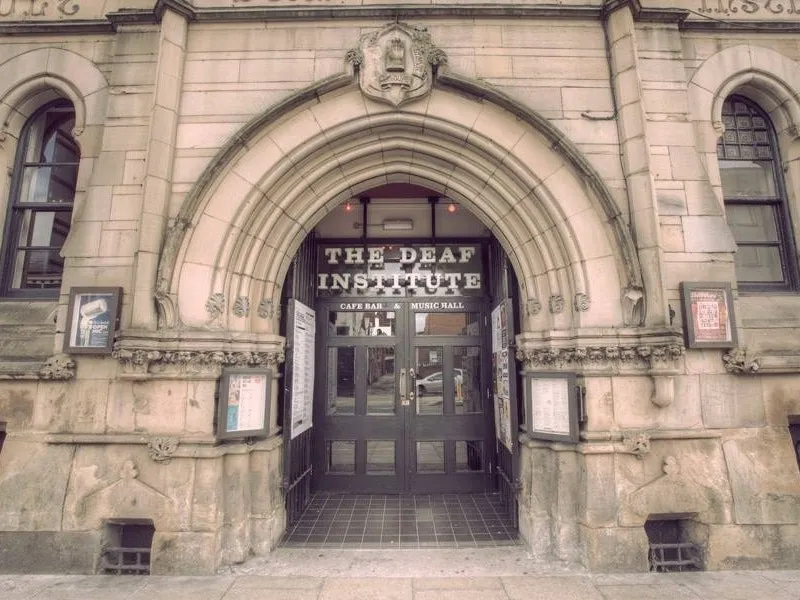 Photo: Deaf Institute, via ents24.imgix.net
This is the dimension of setlist collecting that gets overlooked when people dismiss it as fan obsession. These aren't just mementos of bands. They're anchors for whole chapters of people's lives.
The Digital Age Hasn't Killed It — It's Made It More Valuable
Here's the thing about the smartphone era: it's actually increased the perceived value of handwritten setlists rather than diminishing it. When every show is photographed, filmed, uploaded, and available to watch from the comfort of someone's sofa in real time, the scarcity of something genuinely physical and unique becomes more pronounced, not less.
"Anyone can watch a gig on Instagram now," points out Sarah. "Anyone can see what songs they played. But they can't have this." She gestures at the framed setlist on her wall. "There's only one of these. I've got the actual one. That's irreplaceable."
Musicians understand this too. Rachel has started writing multiple setlists before shows — one for herself, one or two to throw out. "I make sure they're all genuinely handwritten. It would feel like a betrayal to photocopy them or print them out. The whole point is that someone made it. With a pen. That night."
What It Means for Manchester Specifically
Manchester crowds have always expected something back from the bands they support. There's a directness to the relationship here that you don't always find elsewhere — a mutual respect, sometimes a mutual challenge. Bands that play Manchester know they have to earn it.
The setlist, in this context, isn't just a nice gesture. It's an acknowledgement. It says: you were here, you were part of this, and here's something that proves it. In a city with such a fierce sense of musical identity and ownership, that acknowledgement carries real weight.
Liam puts it simply: "Manchester crowds give you everything. The least you can do is give something back. Even if it's just a bit of paper with some song titles on it written in biro at the last minute." He pauses. "Especially if it's that, actually. Because that's real. That's honest. And Manchester people know the difference."