Glorious Disasters: The Manchester Gigs That Fell Apart and Became Immortal
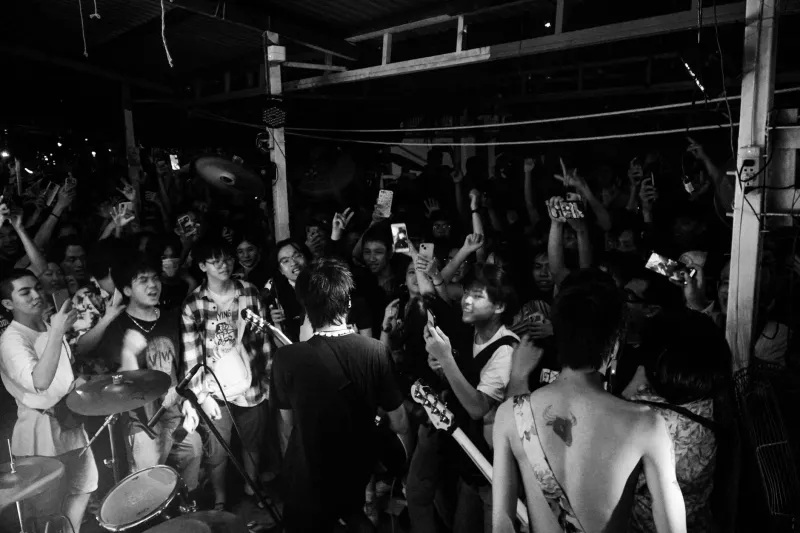
There's a particular kind of magic that only happens when everything goes wrong at exactly the right moment. Polished, rehearsed, technically flawless gigs are brilliant. But the nights that fall spectacularly off the rails? Those are the ones that get talked about in pubs for decades. Manchester, perhaps more than any other city in Britain, has a remarkable gift for turning live music chaos into something genuinely sacred.
Ask any seasoned gig-goer in this city and they'll have a story. Not about the slick headline show at the Arena where everything ran like clockwork. They'll lean forward, eyes lighting up, and tell you about that night — the one where nothing went to plan and absolutely everything went right.
When the Lights Went Out on King Street
Power cuts are the great equaliser of live music. One second you've got a full band in full flight, the next you've got silence, darkness, and roughly four hundred confused faces illuminated only by phone screens. It's happened more than once across Manchester's smaller venues, and the response from the crowd tends to follow a very specific pattern.
First, confusion. Then a ripple of nervous laughter. Then — and this is the bit that makes Manchester different — someone starts singing. It happened at a packed show in the Northern Quarter a few years back when the electrics gave up entirely mid-set. The band stood there, instruments useless, and before they could even apologise, the audience had already picked up the chorus acappella. The band's frontman, who'd been playing Manchester rooms for the better part of fifteen years, later said it was the most emotional moment of his entire career. The gig that broke down became the gig that broke him open.
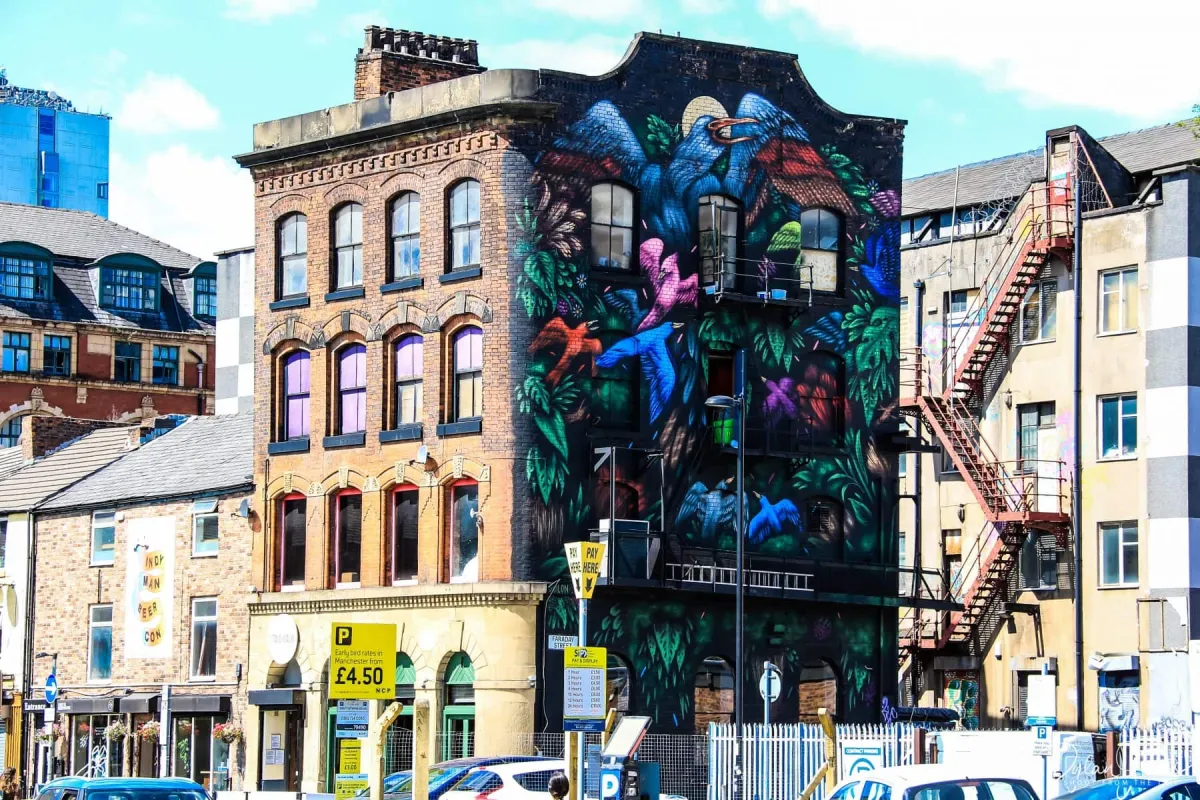 Photo: Northern Quarter, via www.shootfromthetrip.com
That's the thing about this city. Manchester crowds don't need to be told what to do. They already know.
Broken Strings and Beautiful Chaos
Ask any guitarist who's played a run of Manchester venues and they'll tell you about the night a string snapped mid-solo. It's a rite of passage, really. You're up there, everything's building perfectly, and then — ping — the high E goes and suddenly you're improvising on five strings in front of a room full of people who are now watching with twice the attention they had thirty seconds ago.
One local musician, who plays regularly around the city's grassroots circuit, described a gig where he snapped three strings across the course of a forty-minute set. Rather than crumbling, he turned it into a running commentary, narrating each breakage with increasing theatrical despair while the crowd cheered him on like a boxer refusing to go down. By the end of the set, the audience was more invested than they'd have been at a note-perfect performance. The imperfection had created intimacy. That's a very Manchester thing.
The Uninvited Fifth Member
Stage invasions occupy a complicated space in live music lore. Security teams hate them. Insurance policies definitely hate them. But there's a long tradition in Manchester of the crowd and the stage becoming one blurred, sweaty, magnificent entity — particularly at shows in the city's more intimate rooms.
The best stories involve a certain type of character: enthusiastic beyond all social norms, usually somewhere between their fourth and seventh pint, and absolutely convinced that what this band needs right now is his backing vocals. Sometimes he knows the words. Often he does not. Either way, the band's response tends to define the night. The best ones roll with it entirely. There's a semi-legendary account from a venue on the edge of Ancoats where a stage invader ended up playing an entire song on a borrowed tambourine, completely unplanned, while the actual band adapted around him with professional grace. The crowd lost their minds. The tambourine player in question apparently had no memory of it the following morning.
When the Gear Gives Up the Ghost
Amplifiers dying mid-set. Drum kits slowly collapsing. Vocal monitors feeding back at a frequency that makes the front row wince. Manchester venues — particularly the smaller, older ones — have hosted equipment failures of every conceivable variety. And while in theory these are disasters, in practice they often create the most memorable moments a band ever produces.
There's something about watching musicians problem-solve in real time, in front of a live audience, that strips away the performance and reveals the actual human beings underneath. You see who panics and who thrives. You see whether the band genuinely likes each other. You find out if the singer has enough personality to hold a room with nothing but a dead microphone and a good story. Manchester crowds, bless them, are extraordinarily patient when they can see genuine effort and genuine heart. What they won't forgive is pretence. Give them honesty, even chaotic honesty, and they're yours.
The Folklore Lives On
What makes these stories so enduring isn't the disasters themselves — it's the communal experience of surviving them together. A gig that goes perfectly is a transaction. A gig that falls apart and somehow becomes extraordinary is a shared memory. The people in that room become a tribe united by something that can never be repeated or replicated.
Manchester has always understood this instinctively. The city's musical identity was never built on pristine studio perfection alone. It was built on rough edges, on authenticity, on the kind of raw energy that occasionally tips over into glorious disorder. From the legendary nights at the Haçienda where the sound system was famously unreliable to the hundreds of smaller rooms where bands have held crowds together through sheer force of will and personality — this city has always found a way to make the broken beautiful.
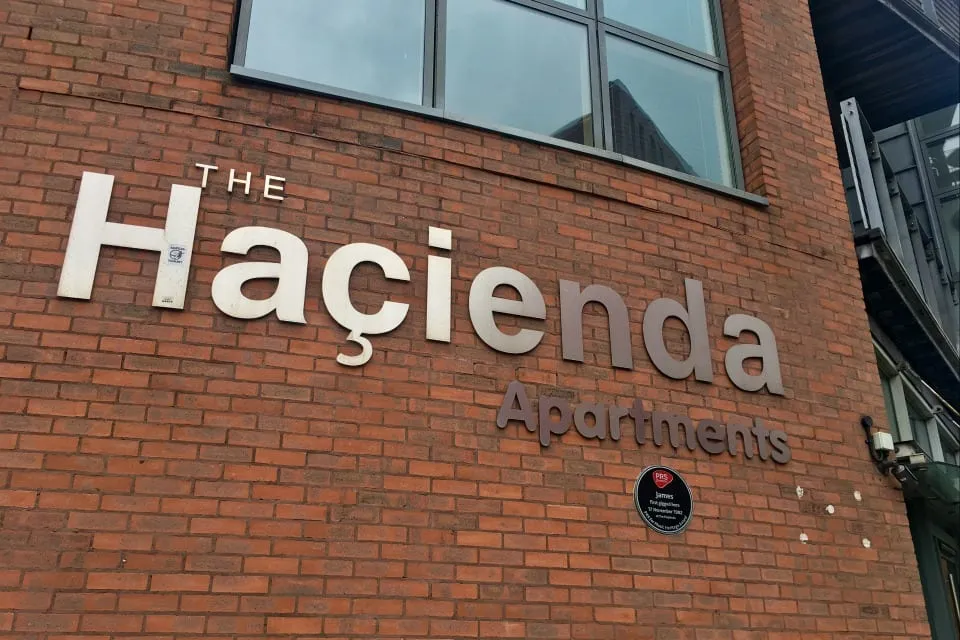 Photo: Haçienda, via i.inews.co.uk
So next time you're at a gig and the guitar goes out of tune, or the bassist's lead pops out, or some absolute unit decides to climb onto the stage uninvited — don't groan. Pay attention. You might be standing inside the next piece of Manchester music folklore. And years from now, you'll be the one leaning forward in the pub, eyes lit up, saying you should've been there.