Wired the Same Way: The Hidden Blueprint That Makes Manchester Bands Sound Like Manchester Bands
There's a moment that happens fairly regularly in recording studios from Berlin to Buenos Aires. A producer drops a rough mix, someone in the room tilts their head, and somebody else says it before they can stop themselves: sounds a bit Manchester, doesn't it.
It's not an insult. It's rarely even a conscious observation. It just comes out, because there is a thing — an actual, identifiable, repeatable thing — that Manchester music does. And nobody quite agrees on what it is, but everybody knows it when they hear it.
The Room Is the Instrument
Ask anyone who's spent serious time recording bands in this city and they'll tell you the same thing: you can't separate the sound from the spaces. Manchester's venues and rehearsal rooms have always been oddly shaped, often repurposed, and acoustically brutal in the best possible way.
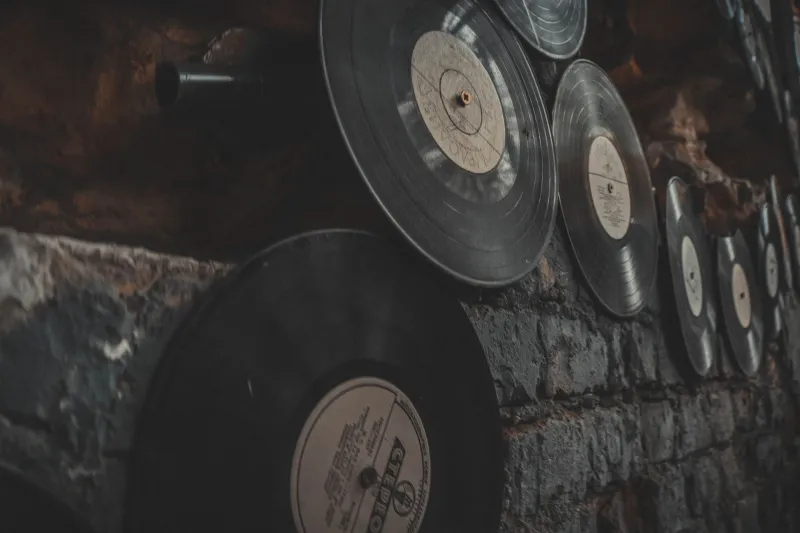
Take the old mill buildings that became practice spaces across the Northern Quarter and Salford throughout the eighties and nineties. Those thick brick walls, the low ceilings, the way sound bounced and compressed in rooms never designed for music — that wasn't a problem bands worked around. It became the sound itself. The tightness. The slightly claustrophobic urgency. The sense that something is being pressed into a space it barely fits.
"You'd set up in these rooms and immediately the guitar sounded different to anywhere else you'd played," says one musician who cut his teeth in bands around Hulme in the early nineties. "It wasn't clean. It wasn't polished. It had weight to it. And when we eventually got into a proper studio, we spent half the session trying to recreate what the rehearsal room had just given us for free."
That weight. That's the word that keeps coming up.
The Vocal Thing
Beyond the production choices, there's the matter of how Manchester singers actually sing. It's not just accent — though the flat vowels and clipped consonants of a proper Mancunian delivery do carry their own rhythmic quality. It's something more fundamental about emotional restraint.
Where other cities produce singers who emote outward — big American-style declarations, dramatic London art-school cool — Manchester vocalists have historically tended to emote inward. Ian Curtis doing it. Morrissey doing it. Liam Gallagher doing it in his own confrontational way. Even Elbow's Guy Garvey, whose voice is enormous, carries something private in it. A sense of withholding. You're always aware there's more he's not saying.
Producers who work regularly with new Manchester acts say this quality keeps showing up in singers who've never consciously studied any of those artists. It seems to be absorbed culturally, passed down through the gigs people attend, the records they grow up on, the way music is talked about in this city — as something serious, something that matters, not something to be performed lightly.
Why Geography Matters More Than You Think
Manchester sits in a particular position, both literally and culturally. It's northern enough to carry industrial grit and a healthy suspicion of pretension. It's connected enough — to Liverpool, to Leeds, to the motorway network that made touring viable for working-class bands — that it developed its own circuit, its own economy of music, largely independent of London.
That independence shaped everything. Bands here didn't need to impress the capital to survive. They needed to impress each other, and they needed to impress rooms full of people who would absolutely tell them if they were rubbish. That accountability bred a directness that you can hear in the music. There's rarely filler. There's rarely showing off for its own sake. The song is the song.
"London bands would sometimes come up and play and you could hear them performing at an imaginary audience," reflects one long-serving sound engineer who's worked the boards at venues across the city for over two decades. "Manchester bands play at the room they're actually in. That sounds like a small thing. It absolutely isn't."
The Production Choices That Became Tradition
Certain technical decisions have calcified into something close to tradition in Manchester recording culture. The preference for live room recording over heavily isolated tracking. The tendency to keep drums slightly wetter than is fashionable elsewhere. The guitar tones that lean toward mid-range presence rather than high-end shimmer. Bass that sits in the mix like furniture — not decorative, just structurally essential.
None of this was ever written down. It passed from producer to engineer to musician through osmosis, through sessions, through the particular way people talk about records in this city. "That sounds massive" is high praise here. Massive meaning full, meaning real, meaning it would survive being played loud in a room full of people who aren't paying close attention.
Because that's always been the test. Not the headphones test. The venue test.
Cities Trying to Bottle It
The genuinely strange part is what's happening now. Producers in Stockholm, in Melbourne, in São Paulo are actively referencing Manchester records when briefing sessions. The sonic characteristics of this city — the weight, the restraint, the room-filling directness — are being consciously reverse-engineered by people who've never been within a hundred miles of the Arndale.
You can hear it in certain strands of Scandinavian indie. You can hear it in the production choices of some American artists who grew up on Britpop imports. The Manchester blueprint is being photocopied globally, which is either deeply flattering or slightly unsettling depending on your perspective.
But here's the thing those copies always miss: you can recreate the technical choices without recreating the circumstances that produced them. The mill rooms. The unforgiving crowds. The independence from the capital. The culture of taking music seriously without taking yourself too seriously.
That stuff isn't on a spec sheet. It's in the walls.
Still Being Written
The new generation of Manchester bands — the ones filling the smaller rooms at Night and Day, the ones doing residencies at venues that didn't exist five years ago — carry the same DNA. They may not have heard half the records their predecessors made. But they've rehearsed in the same kinds of rooms, played to the same kinds of crowds, absorbed the same unspoken rules about what music is supposed to do.
The sound keeps renewing itself because the conditions keep producing it. Geography doesn't change. Culture passes itself forward. And somewhere in a room with thick brick walls and questionable acoustics, another band is discovering that the room itself is doing half the work.
Just like it always did.