Three Songs and You're Out: The Brutal Beauty of Manchester's Open Mic Democracy
The Three-Song Baptism
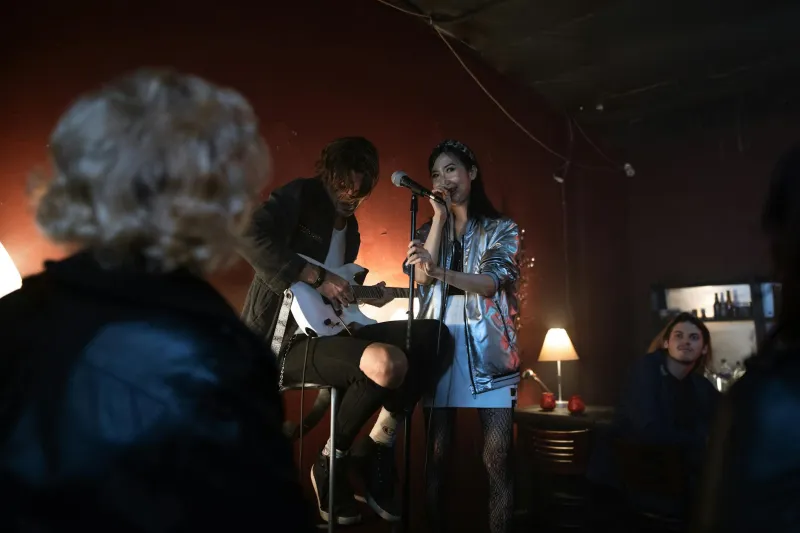
Every Tuesday night at The Castle Hotel in the Northern Quarter, something magical and terrifying happens. Around 8pm, a motley collection of hopefuls clutches acoustic guitars, laptops, and hastily scribbled lyric sheets, waiting for their moment of truth. Three songs. That's all you get. Three songs to prove you belong in Manchester's musical ecosystem.
 Photo: The Castle Hotel, via m.media-amazon.com
"It's the most honest format in music," explains Danny Walsh, who's been hosting the Castle's open mic night for seven years. "No fancy production, no second chances, no hiding behind studio trickery. Just you, your songs, and a room full of people who've heard it all before."
The three-song limit isn't arbitrary cruelty – it's beautiful democracy. In a scene where established acts can ramble through 90-minute sets, the open mic format forces brutal efficiency. Every chord change matters. Every lyric counts. You learn to grab attention fast or lose it forever.
Watch any newcomer navigate their first three-song slot, and you're witnessing something primal. The nervous fumbling with tuning pegs. The awkward banter between songs that never quite lands. The visible relief when the third song ends and they can escape back to the safety of the audience. It's raw, unfiltered, and absolutely essential.
The Unsung Landlords
Behind every great open mic night stands a publican who believes in more than just profit margins. Take Mick O'Brien at The Soup Kitchen, who's been nurturing new talent since before the Northern Quarter was trendy. His venue might be compact, but his vision is expansive.
 Photo: The Soup Kitchen, via www.numerama.com
"I've seen kids come in here shaking with nerves, barely able to hold a guitar," Mick reflects, polishing glasses while sound-checking the ancient PA system. "Six months later, they're headlining proper gigs. That's what it's about – giving people that first platform."
These landlords are Manchester's unsung musical heroes. They provide the infrastructure that makes everything else possible: the PA systems held together with gaffer tape and hope, the stage areas carved out of drinking spaces, the patient tolerance of off-key vocals and feedback squeals.
The Peer Hat in Ancoats has become legendary for its anything-goes policy. Electronic producers test new tracks on an audience that ranges from indie purists to techno heads. The venue's eclectic booking philosophy creates an environment where genre boundaries dissolve and unexpected collaborations bloom.
 Photo: The Peer Hat, via i.pinimg.com
"We had a rapper and a folk singer team up after meeting at our open mic," recalls booker Sarah Martinez. "Six months later, they were supporting major acts. You can't manufacture that kind of chemistry – it just happens when you create the right conditions."
The Unwritten Rules
Every Manchester open mic operates according to an unspoken code that newcomers quickly absorb. Rule one: respect the three-song limit. Nobody wants to hear your entire concept album on a Tuesday night. Rule two: support other acts. The person you ignore tonight might be booking venues tomorrow. Rule three: bring friends, but not too many. A small, supportive crowd is perfect; a massive entourage makes everyone else feel like they're intruding on a private party.
The most important rule, though, is harder to articulate: be genuine. Manchester audiences have finely tuned bullshit detectors. They can spot manufactured emotion, borrowed personas, and calculated authenticity from the back of the room. Conversely, they'll champion anyone who shows real vulnerability, regardless of technical skill.
"I've seen technically perfect performances get polite applause and complete train wrecks get standing ovations," observes regular attendee and part-time A&R scout James Chen. "It's all about connection. Manchester crowds respond to honesty above everything else."
This creates a fascinating dynamic where conventional music industry wisdom often doesn't apply. The slickest performers don't always win. Sometimes the kid with the cracked voice and the secondhand guitar leaves the biggest impression.
The Current Circuit
Manchester's open mic landscape is constantly evolving, but certain nights have achieved legendary status among those in the know. The Castle Hotel remains the gold standard – Tuesday nights that have launched countless careers and broken just as many hearts. The venue's intimate setting and knowledgeable audience make it the ultimate testing ground.
The Soup Kitchen's Thursday sessions cater to a slightly more experimental crowd. Electronic producers and loop pedal virtuosos find a receptive audience among the craft beer and vinyl enthusiasts who frequent the venue. It's become a crucial stop for artists pushing musical boundaries.
For those seeking a more traditional pub atmosphere, The Salisbury in Chorlton offers Sunday afternoon sessions that feel like musical therapy. The older crowd brings patience and perspective, creating space for longer storytelling and more experimental approaches.
The newest addition to the circuit is Night & Day Café's Wednesday slot, which has quickly gained reputation as the most competitive. Industry figures are known to attend, raising stakes and attracting ambitious performers from across the North West.
The Digital Disruption
Social media has complicated the open mic world in fascinating ways. Instagram stories now document every performance, creating permanent records of what were once ephemeral moments. Some performers thrive under this scrutiny, using viral clips to build followings. Others find the constant documentation intrusive, preferring the old model where mistakes could be forgotten.
"There's definitely more pressure now," admits regular performer Katie Sullivan, who's been working the circuit for three years. "You know that one off night could end up on TikTok forever. But it's also opened doors – I've been booked for paying gigs based on open mic videos."
Streaming has democratised music distribution, but it's made the open mic format more valuable, not less. In a world where anyone can upload tracks to Spotify, the ability to command a room with just a guitar and voice has become a rare skill. Live performance separates the genuine artists from the bedroom producers.
The Success Stories
Every Manchester music fan has their favourite open mic discovery story. The nervous teenager who became a festival headliner. The middle-aged accountant who quit their day job after one transformative performance. The duo who met at an open mic and went on to sign major label deals.
But success isn't always measured in record sales or streaming numbers. For many participants, the open mic circuit provides something more valuable: community. The regular faces who become friends, collaborators, and support networks. The confidence that comes from surviving three songs in front of strangers. The artistic growth that happens when you're forced to strip everything back to essentials.
"I never became famous," laughs Martin Rodriguez, a five-year veteran of the Manchester open mic scene. "But I found my voice, literally and figuratively. These nights taught me who I was as an artist. You can't put a price on that."
The Future of the Format
As Manchester's music scene continues to evolve, the open mic circuit faces new challenges. Rising property prices threaten the small venues that host these nights. Changing drinking habits among young people affect audience numbers. The convenience of home recording makes the leap to live performance seem more daunting.
Yet the format endures because it serves a fundamental human need: the desire to be heard. In an increasingly digital world, the immediacy of live performance becomes more precious, not less. The open mic night offers something that streaming platforms and social media can't: genuine human connection in real time.
"As long as people write songs, they'll want to share them," predicts Danny Walsh from his position behind the Castle Hotel's modest PA desk. "And as long as Manchester has pubs with back rooms and questionable sound systems, we'll keep giving them that chance."
The three-song format might seem arbitrary, even cruel. But within those constraints lies perfect democracy – a system where talent, preparation, and authenticity matter more than connections, money, or marketing budgets. In Manchester's open mic rooms, the only currency that matters is the ability to move strangers with music.
Every Tuesday, Thursday, and Sunday, the cycle begins again. New faces clutch instruments, veterans offer encouragement, and landlords check the ancient PA systems one more time. Three songs each. No exceptions. No second chances. Just the brutal, beautiful democracy of live music at its most essential.