Bedroom Broadcasters: Manchester's DIY Digital Music Revolution
The New Fanzine Generation
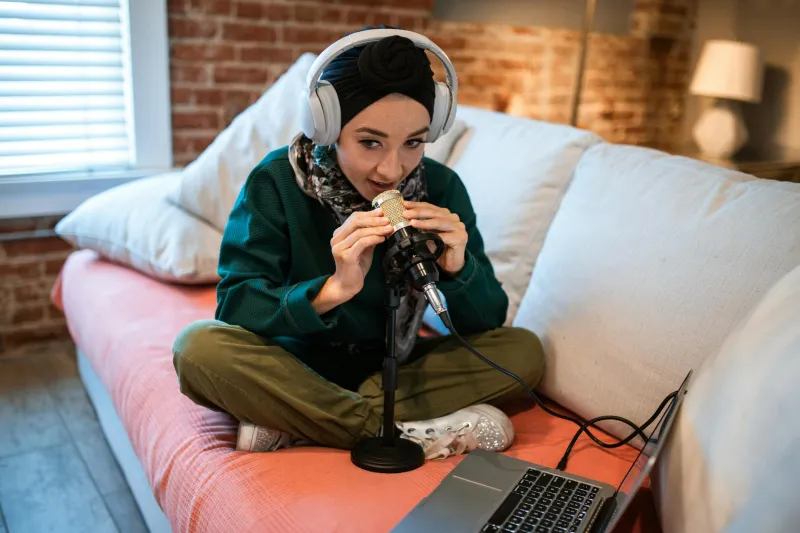
In a spare bedroom in Chorlton, Jake Matthews adjusts his secondhand microphone and prepares to record another episode of "Manc Sounds Weekly." His setup is basic – a laptop, a USB mic that cost less than a night out, and walls lined with gig posters that double as makeshift acoustic treatment. But his passion for Manchester's music scene burns as bright as any NME journalist from the city's golden era.
"The big music mags don't care about the band playing Gullivers on a Tuesday night," Jake explains, scrolling through his notes for tonight's episode. "But that band might be the next big thing, or they might just be brilliant in their own right. Someone needs to be paying attention."
Jake is part of a growing movement of Manchester-based digital voices who are filling the gap left by mainstream music media's retreat from local coverage. Armed with smartphones, basic recording equipment, and an encyclopaedic knowledge of the city's venues, these bedroom broadcasters are documenting Manchester's music culture with the same DIY spirit that gave birth to the legendary fanzine scene.
From Print to Podcast
The parallels to Manchester's fanzine heritage are striking. Just as City Fun and Debris challenged the music establishment in the late 70s and early 80s, today's digital creators are bypassing traditional gatekeepers to speak directly to music fans who crave authentic, passionate coverage of their local scene.
Sarah Chen runs "Proper Mint Music," a YouTube channel that's gained a cult following for her raw, unfiltered reviews of Manchester gigs. "I started filming myself ranting about shows on my phone because I was frustrated that nobody was talking about the amazing stuff happening right on our doorstep," she says. "Turns out loads of other people felt the same way."
Her videos, shot on a basic camera in her Fallowfield flat, regularly attract thousands of views from music fans hungry for genuine local perspective. No corporate polish, no PR spin – just honest opinions from someone who genuinely lives and breathes Manchester music.
The Hyperlocal Advantage
What sets these digital voices apart is their hyperlocal focus. While mainstream music media chases global trends and major label priorities, Manchester's bedroom broadcasters are documenting the city's musical ecosystem in granular detail.
Tom and Beth Williams run "The Northern Quarter Sessions," a podcast that interviews everyone from headlining acts to sound engineers, venue owners to merchandise sellers. "We're interested in the whole ecosystem," Tom explains. "The person who books the bands, the person who sets up the PA, the bartender who serves the drinks – they're all part of the story."
Their approach has uncovered stories that would never make it into traditional music press – the venue cleaner who's seen every major Manchester band before they were famous, the promoter who's been quietly nurturing new talent for decades, the sound engineer whose mixing desk has shaped the sound of a generation.
Equipment Democracy
The beauty of this digital revolution lies in its accessibility. While the music press of old required printing presses, distribution networks, and significant financial investment, today's music documentarians need little more than a smartphone and an internet connection.
Marcus Thompson started "Manchester Gig Diary" during lockdown, initially just posting voice notes about virtual gigs on Instagram. "I had no training, no fancy equipment, just a proper love for music and a lot of time on my hands," he recalls. "But people started sharing the posts, and before I knew it, I had venues asking me to cover their events."
His lo-fi approach – often recording episodes while walking between venues – has become part of his brand. The sound of Manchester streets, trams, and distant music creates an authentic backdrop that no studio could replicate.
Community Building
These digital creators aren't just documenting Manchester's music scene – they're actively shaping it. Their coverage can make the difference between a poorly attended gig and a sold-out show, between a band giving up and persevering.
Lucy Rodriguez runs "Manc Music Matters," a podcast that specifically focuses on emerging local talent. "I've had bands tell me that our coverage gave them the confidence to keep going," she says. "When you're playing to fifteen people at the Castle, it means everything to know that someone's paying attention and believes in what you're doing."
The community aspect extends beyond the creators themselves. Comment sections become meeting places for like-minded music fans, Discord servers spring up around popular podcasts, and real-world friendships form through shared digital obsessions.
The Algorithm Challenge
Of course, the digital landscape presents its own challenges. Social media algorithms favour consistent posting and engagement over quality content. YouTube's recommendation system can bury passionate local coverage in favour of major label content. Spotify's podcast discovery mechanisms favour established creators with marketing budgets.
But Manchester's digital music voices are adapting, just as their fanzine predecessors adapted to distribution challenges and printing costs. Cross-platform promotion, collaborative content, and grassroots word-of-mouth marketing are building audiences that major media companies would envy.
Authenticity in the Digital Age
What these creators lack in production values, they make up for in authenticity. There's no corporate editorial line to follow, no advertiser-friendly content guidelines to navigate. When Jake from "Manc Sounds Weekly" loves a band, his enthusiasm is genuine. When Sarah from "Proper Mint Music" thinks a gig was disappointing, she says so.
This honesty has built trust with audiences who've grown tired of music media that feels disconnected from their actual experiences. "People can tell when you're being real," explains Beth from "The Northern Quarter Sessions." "We're not trying to be the next big media empire. We're just music fans talking to other music fans."
The Future of Music Media
As traditional music media continues to consolidate and corporatise, Manchester's bedroom broadcasters represent something precious – the survival of independent, passionate music journalism. They're proof that the spirit which drove Tony Wilson, the Haçienda, and the original Manchester music press hasn't died; it's just found new platforms.
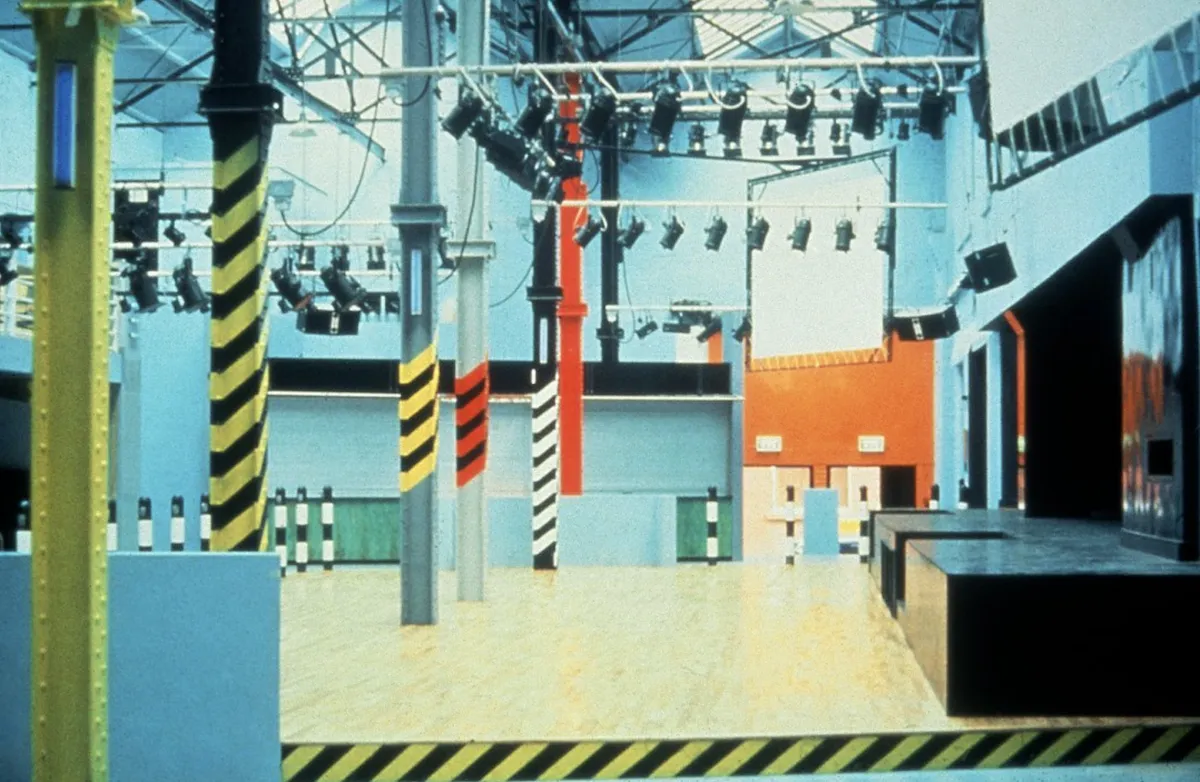 Photo: The Haçienda, via www.glamcult.com
These digital voices are building something that major media companies, for all their resources, can't replicate – genuine community around shared musical passion. They're documenting not just what's happening in Manchester's music scene, but why it matters to the people who live it every day.
In an age of playlist algorithms and streaming statistics, these creators are maintaining something fundamentally human about music discovery and discussion. They're keeping alive the idea that music is about more than consumption – it's about community, passion, and the shared experience of being moved by sound.
Long may they continue to broadcast from their bedrooms, document from their living rooms, and remind us all why Manchester's music scene remains something special.