Sharpie Legends: Inside Manchester's Obsessive World of Backstage Hunters
The Dawn Patrol
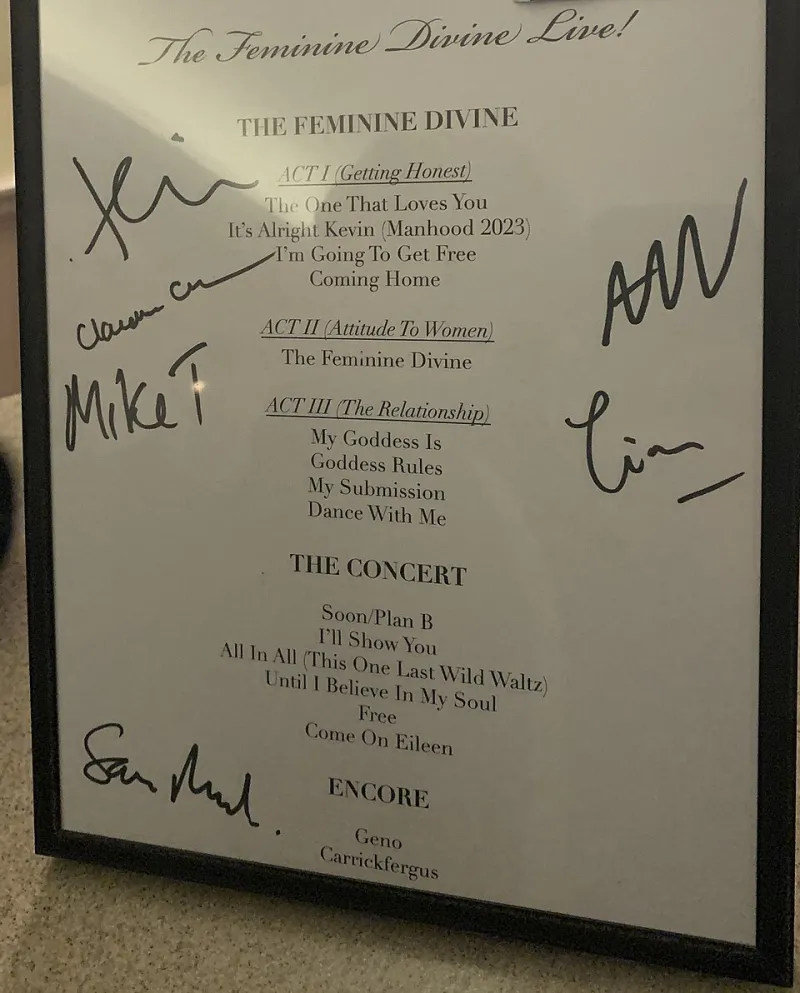
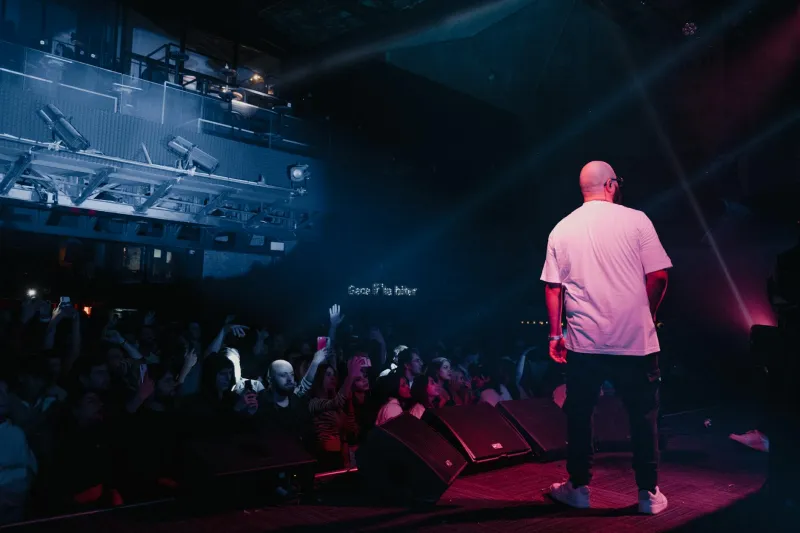
It's 6am on a Tuesday outside the O2 Apollo, and Sarah Mitchell is already setting up her camping chair. The show isn't until 8pm, but Sarah knows that prime positioning at the stage door is everything. She's been doing this for fifteen years, ever since a chance encounter with Liam Gallagher outside the Ritz left her with a scribbled signature and an addiction she's never quite shaken.
 Photo: Liam Gallagher, via img.freepik.com
 Photo: O2 Apollo, via dudazps6njn84.cloudfront.net
"People think we're mad," Sarah laughs, unwrapping a thermos of tea that will sustain her through the next fourteen hours. "But they don't understand what it's like when you've got that one signature that changed everything."
Sarah's not alone. Manchester's autograph hunting community is a tight-knit brotherhood of early risers, patient waiters, and strategic thinkers who've turned the art of the backstage encounter into something approaching military precision. They know which venues have accessible stage doors, which security guards are sympathetic, and crucially, which artists actually stop to sign.
The Holy Grail Collection
In a terraced house in Chorlton, Dave Thompson keeps what might be Manchester's most comprehensive autograph collection. Spanning four decades and three ring binders, it's a who's who of everyone who's ever graced a Manchester stage. Joy Division, The Smiths, Oasis, The Stone Roses – names that would make any music historian weep are casually filed between plastic sleeves like football stickers.
"The Joy Division ones are probably worth a mortgage," Dave admits, carefully turning pages that chronicle Manchester's musical evolution through hastily scrawled names. "But I'd never sell them. Each one tells a story."
The Ian Curtis signature, obtained outside the Mayflower in 1979, sits next to a Morrissey autograph from the Haçienda's early days. Dave remembers every encounter – the weather, what the artist was wearing, whether they seemed genuinely pleased to meet fans or were just going through the motions.
 Photo: Haçienda, via i.pinimg.com
"Bernard Sumner always takes time to chat," Dave notes. "Noel Gallagher depends entirely on his mood. And don't even bother with certain indie darlings – they'll blank you completely then post about 'connecting with fans' on Instagram an hour later."
The Instagram Generation
Social media has fundamentally changed the game. Where once autograph hunters relied on local knowledge and word-of-mouth intel about artist movements, now everything happens in real-time. Hotel locations are shared in WhatsApp groups, arrival times are live-tweeted, and the competition has intensified dramatically.
"It's become a bit of a circus," admits longtime hunter Mark Williams, who's been working the Manchester circuit since the Britpop era. "You used to get maybe five or six regulars at any given stage door. Now it's thirty people with phones out, half of them streaming it live."
The democratisation has its benefits – more fans get opportunities they'd never have had before. But it's also created new tensions. Professional autograph dealers now compete with genuine fans, armed with multiple items and a business-like efficiency that can sour the whole experience.
Young hunter Emma Chen, 19, represents the new generation. She's got a strategic approach that would impress a military tactician: multiple social media accounts for intelligence gathering, a ranking system for which artists are worth the wait, and a sophisticated understanding of which signatures might appreciate in value.
"The older hunters think we're just in it for the Instagram likes," Emma says. "But we're just as passionate. We've just got better tools."
The Emotional Economics
What strikes you most about Manchester's autograph hunting community isn't the dedication – though camping out for fourteen hours demonstrates commitment that would shame most relationships. It's the emotional weight these brief encounters carry.
For many hunters, the signatures represent more than celebrity collecting. They're tangible proof of moments when their musical heroes acknowledged their existence, however briefly. In a city where music isn't just entertainment but identity, these interactions take on almost spiritual significance.
"I was going through a really dark time when I met Tim Burgess outside Band on the Wall," explains Sarah. "He not only signed my record but asked how I was doing. Properly asked, you know? That thirty-second conversation got me through the worst week of my life."
These stories repeat throughout the community. The chance meeting that led to a friendship. The signature obtained during a personal crisis that provided unexpected comfort. The brief exchange that reminded someone why they fell in love with music in the first place.
The Code of the Stage Door
Manchester's autograph hunting scene operates on unwritten rules that newcomers quickly learn. Don't push. Don't follow artists to their cars. Don't ask for selfies if they're clearly not in the mood. And crucially, don't ruin it for everyone else by being a dickhead.
"We police ourselves pretty well," explains Dave. "Someone starts acting inappropriately, they get frozen out. Artists remember faces, and if you're associated with troublemakers, you're done."
The community also shares intelligence generously. Arrival times, hotel locations, and artist preferences are freely exchanged. There's an understanding that everyone's there for the same reason, and artificial scarcity only makes the experience worse for everyone.
The Future of the Hunt
As streaming continues to reshape the music industry and artists become increasingly accessible through digital platforms, the future of autograph hunting remains uncertain. Some argue that physical signatures are becoming more precious as they become rarer. Others worry that the entire practice might become obsolete.
"Kids today don't buy physical records," worries Mark. "What are they going to get signed? Their phones?"
But the Manchester scene continues to thrive. New hunters emerge regularly, drawn by the same combination of dedication, community, and the chance of that perfect encounter that's sustained the scene for decades.
As Sarah packs up her camping chair outside the Apollo, another successful hunt complete, she reflects on what keeps her coming back.
"It's not really about the signatures," she admits. "It's about being part of something. About those moments when the barrier between artist and fan disappears completely. You can't stream that."