T-Shirts, Tote Bags, and Tenacity: The Real Economics of Being a Manchester Band in 2024
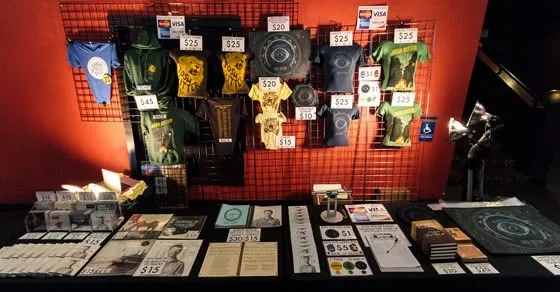
Photo: band merchandise table gig venue music fans, via i.pinimg.com
The merch table is the most honest place in any Manchester venue. No algorithms, no middlemen, no industry mythology. Just a band, a pile of carefully chosen products, a cash tin, and the immediate, unambiguous verdict of whether people liked what they just heard enough to hand over actual money for something to remember it by.
In 2024, for most working Manchester musicians, that table isn't just a nice extra. It's the business model.
The Streaming Myth, Quickly Dispatched
Let's get the awkward bit out of the way first. Streaming pays artists — independent ones, anyway — somewhere between £0.003 and £0.005 per stream depending on the platform. To earn the UK minimum wage from Spotify alone, you'd need roughly four million streams per month. Most Manchester bands playing to two hundred people at the Deaf Institute are not generating four million streams per month.
"I made forty-seven quid from streaming last year," says Danny Okafor, guitarist and co-songwriter for Manchester indie outfit Harbour Lights. "Forty-seven. I've spent more than that on plectrums. It's not a revenue stream, it's a presence tool. We use it so people can find us. That's all."
This isn't a new revelation. Musicians have been saying it for years. But the gap between public perception — the idea that a song going viral translates to actual income — and the lived reality of working musicians is still wide enough to cause real damage, particularly when younger artists structure their expectations around streaming success that never materialises financially.
The Merch Table: A Proper Look
So what does actually work? Start with the table.
A well-run merch setup at a Manchester gig in 2024 looks quite different from what it might have done a decade ago. T-shirts are still the backbone — a decent quality tee at £20 to £25 moves reliably if the design is right — but the range has expanded significantly. Tote bags (the unofficial currency of the indie scene), enamel pins, zines, limited edition prints, stickers, and the vinyl runs we've written about elsewhere on this site all share space on the table now.
"Design matters more than people think," says Priya Nair, who handles merch for three different Manchester acts alongside her own band. "I've seen bands with great music sell almost nothing because their shirt looks like it was made in five minutes on Canva. And I've seen bands shift sixty units of a hoodie at a show because the graphic was genuinely beautiful. People wear things they're proud to be seen in."
The economics of merch require upfront investment — printing costs, minimum order quantities, the eternal gamble of sizing — but the margins, when it works, are considerably healthier than anything the streaming world offers. A shirt that costs £6 to produce and sells for £22 is a different conversation entirely from a stream that pays a fraction of a penny.
Crowdfunding: The Honest Ask
Bandcamp and crowdfunding platforms like Kickstarter and Indiegogo have given Manchester bands a direct line to their most committed supporters, and a growing number are using them not just for album funding but for ongoing sustainability.
The shift in how these campaigns are framed is telling. Early crowdfunding felt apologetic — almost embarrassed about asking for money directly. The language now is different. It's transactional in the best sense: here's what we're making, here's what it costs, here's what you get in return for backing it.
"We raised £4,200 for our last EP," says Okafor. "We offered exclusive tracks, a private listening session at a mate's studio in Ancoats, name in the sleeve credits, a house gig for the top tier backers. People went for it. And we made the record we wanted to make without owing anyone anything."
The house gig tier — where a band plays a private show for a small group of superfans — has become particularly popular in Manchester, where the intimacy of small venues is already part of the culture. Scaling that down even further, into someone's living room in Didsbury or a backyard in Chorlton, turns out to be something people will pay meaningfully for.
The Day Job Conversation
Here's the part nobody puts in the press release: most working Manchester musicians have day jobs. Not as a temporary measure while they wait for the big break. As a permanent, deliberate part of how they structure their lives.
The romanticisation of full-time musicianship — the idea that having a job outside music is somehow a compromise or a failure — has done real harm to a generation of artists who burned through savings, took on debt, and ran themselves into the ground chasing an economic model that doesn't exist for most people.
The conversation has shifted. Quietly, but noticeably.
"I'm a secondary school music teacher," says one Manchester drummer who has played in the same band for eight years. "I love it. It means I can afford to be in the band I want to be in rather than the band that makes money. Those aren't always the same thing. Having the day job is what gives me the freedom to make honest music."
That reframe — the day job as creative freedom rather than creative compromise — is becoming more common, and more openly discussed, in Manchester's music community.
Sync, Sessions, and Other Quiet Earners
Beyond the headline revenue streams, working Manchester musicians patch together income from a range of sources that rarely make it into interviews. Session work — playing on other people's recordings — is a steady if unglamorous income stream for skilled instrumentalists. Sync licensing, where music is placed in TV, film, or advertising, can generate meaningful one-off payments and is increasingly accessible to independent artists through platforms that didn't exist ten years ago.
Local commercial work — jingles, corporate events, function gigs that no one mentions in their band bio — keeps a surprising number of Manchester musicians financially stable while they pursue the work they actually care about.
"There's no shame in it," says Nair flatly. "You play a fortieth birthday in a function room in Altrincham, you get paid properly, and then you go home and write the song you actually want to write. The two things aren't in conflict."
What Sustainability Actually Looks Like
The Manchester bands making it work in 2024 tend to share a few characteristics. They're clear-eyed about money without being cynical about music. They've built genuine relationships with their audience rather than chasing passive listener counts. They treat the merch table, the crowdfunding page, and the session booking as seriously as they treat the setlist.
And they've stopped waiting for someone else to make it viable. That, more than anything, might be the defining characteristic of Manchester's working music scene right now. Nobody's coming to save you. The table's yours. Set it up properly.