Sticky Floors, Full Hearts: In Defence of the 150-Capacity Pub Back Room
Photo: PattayaPatrol, CC BY-SA 4.0, via Wikimedia Commons
Let's Get the Obvious Out of the Way
I love a big show as much as the next person. Seeing an arena band do their thing with proper production is a genuine treat and I won't pretend otherwise. But if you asked me to choose one night out — one, forever — I'm taking the back room of a Manchester pub over a stadium seat every single time. And I don't think that's nostalgia talking. I think it's just maths.
What Fifteen Quid Actually Buys You
Right now, ticket prices are the conversation in UK live music, and rightly so. Dynamic pricing, platinum packages, £9 booking fees on a £60 ticket — the big gigs have started to feel like applying for a mortgage. Meanwhile, up a flight of stairs above a pub in the Northern Quarter, a fiver gets you in on a Tuesday and a tenner gets you a band who'll be playing that same stadium in three years' time.
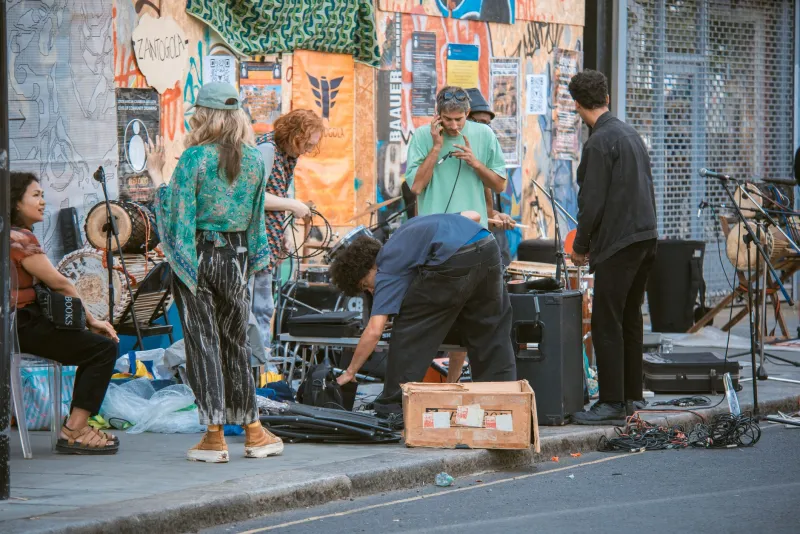
The economics of the small room favour the punter in a way the big rooms simply can't. There's no seat to sell you, no VIP tier, no £8 lager. There's just a stage that's slightly too small, a PA that's seen better decades, and a band close enough that you can see the nerves. Fifteen quid on the door is the best value entertainment in Britain and I'll die on that particular sticky floor.
The Rooms Themselves
Manchester is absurdly rich in these places, and if you're new to the city, consider this your starter list. The Deaf Institute — all velvet and stained glass, three floors of joy, sound that punches well above its size. Gullivers, where the ceiling is low and the bands are high. The Bread Shed, all black walls and glorious sweat. Night People, Night & Day, the Peer Hat — each one a room where you can be three feet from the future.
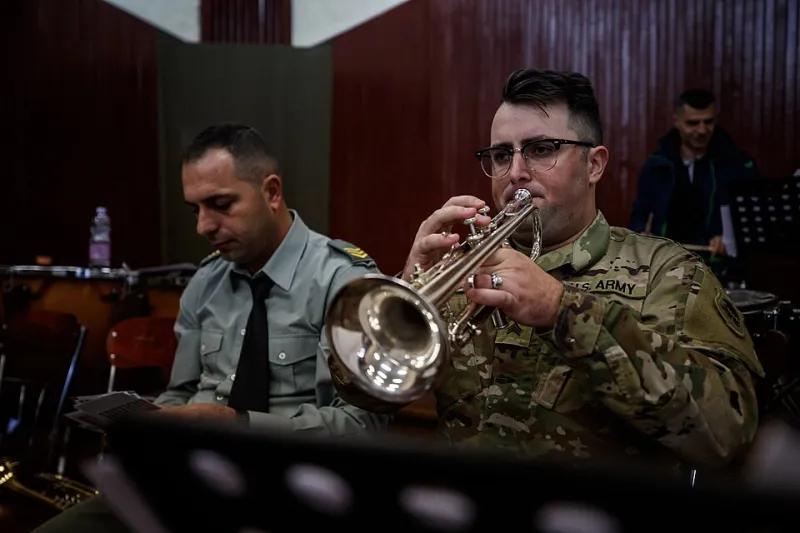
What they share is a quality no arena can manufacture: proximity. You watch a band in a 150-cap room and you're not watching a show, you're in it. The guitarist's pedalboard is at your knee. When the singer forgets a lyric — and they will — you hear the recovery, the laugh, the crowd willing them through it. That's the stuff. That's the whole reason live music exists and no jumbotron can replicate it.
Better Bands, Better Stories
Here's the other argument, and it's the one that matters: the small rooms are where bands become bands. Every arena act you love played a back room like this, probably on a bill with two other acts and eleven people watching. The small venue is the sport's grassroots pitch, the academy, the whole supply chain. Starve it of punters and in ten years you'll have nobody left to sell you a £95 stadium ticket for.
And the stories? Nobody's ever told me a tale about the time they saw a band in a seated arena and everything went exactly as planned. But the night the singer in some unsigned lot stage-dived off a speaker stack the size of a washing machine, at a gig where the tickets were a tenner? That story gets told forever.
The Ask
So here's what I'm suggesting, fellow travellers. Once a month, swap one big show for a small one. Pick a pub venue you've never been to, buy a ticket for a band you've never heard, and take the risk. Worst case, you've had a decent night and a couple of pints for a tenner. Best case, you catch something before everyone else does — and you get to be insufferable about it for the rest of your life.
The big rooms will always be there. The little ones need you tonight.