The People Behind the Faders: Manchester's Live Sound Engineers Break Their Silence
The People Behind the Faders: Manchester's Live Sound Engineers Break Their Silence
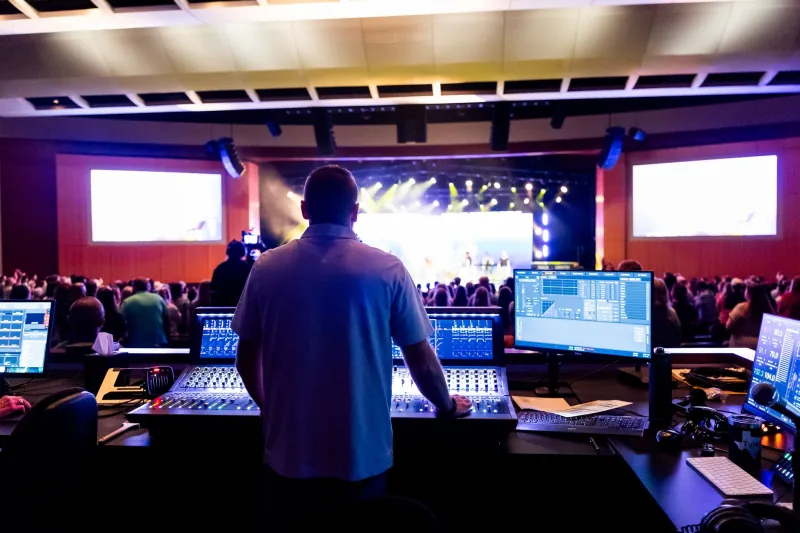
You probably do not think about the sound engineer while you are watching a band. That is, in many ways, the entire point. A great front-of-house mix is a bit like good plumbing — you only notice it when something goes wrong. But the person sitting behind that desk in the middle of the room, headphones half-on, eyes darting between the stage and a laptop screen covered in gaffer tape notes, is making hundreds of micro-decisions every minute that collectively determine whether you walk out buzzing or vaguely disappointed.
Manchester's live circuit runs on these people. From the Ritz's expansive room to the gloriously cramped back rooms of pub venues where the PA is bolted to a wall that someone once accidentally drove a Transit into, the city's engineers have seen everything. We sat down with a handful of them — some happy to be named, others distinctly not — and asked them to tell us what actually goes on behind the faders.
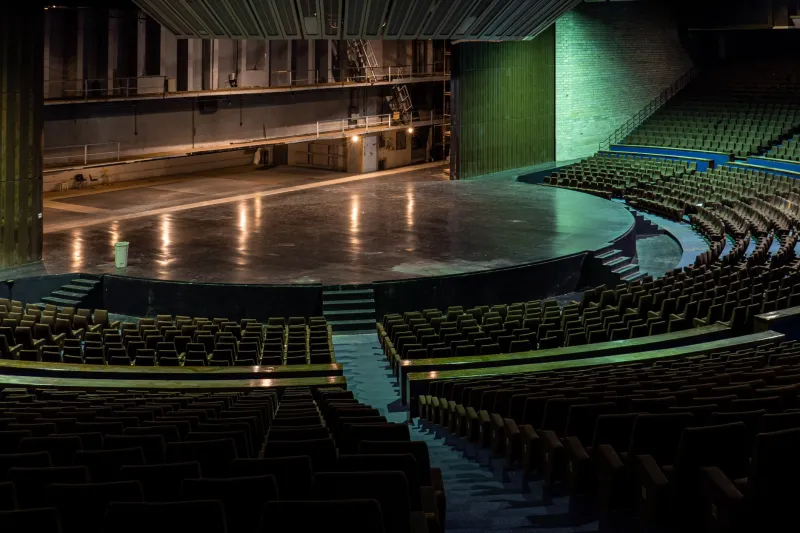
 Photo: the Ritz, via dynamic-media-cdn.tripadvisor.com
The Sound Check Is Not What You Think
For most punters, a sound check is that vaguely annoying bit in the afternoon where someone says "can I get more kick drum" into a microphone while a roadie tapes cables to the floor. For the engineers running it, it is a diagnostic exercise, a negotiation, and occasionally a psychological assessment of the band they are about to spend three hours with.
"You can tell within about four minutes of a sound check what kind of night it's going to be," says Jamie, who has engineered at several of Manchester's mid-capacity venues for the better part of a decade and would prefer we left his surname out of it. "Not from the music — from how the band communicates with each other. If the guitarist and the bassist won't look at each other during line check, you're already planning for a difficult monitor mix because neither of them is going to compromise on volume."
Monitor engineers — the ones mixing what the musicians hear through the wedges and in-ears on stage rather than what the audience hears — operate in an even more intimate space. They are essentially personal audio therapists. A vocalist who cannot hear themselves properly becomes anxious, then pitchy, then irritable. Getting someone's monitor mix right is less about technical precision and more about understanding what that specific person needs to feel comfortable and perform freely.
"I once spent forty minutes of a sound check trying to explain to a singer that the reason he couldn't hear himself was because he kept moving away from the wedge," recalls Saoirse, a monitor engineer who works regularly across several Northern Quarter venues. "In the end I just moved the wedge. Sometimes the technical solution is the physical solution."
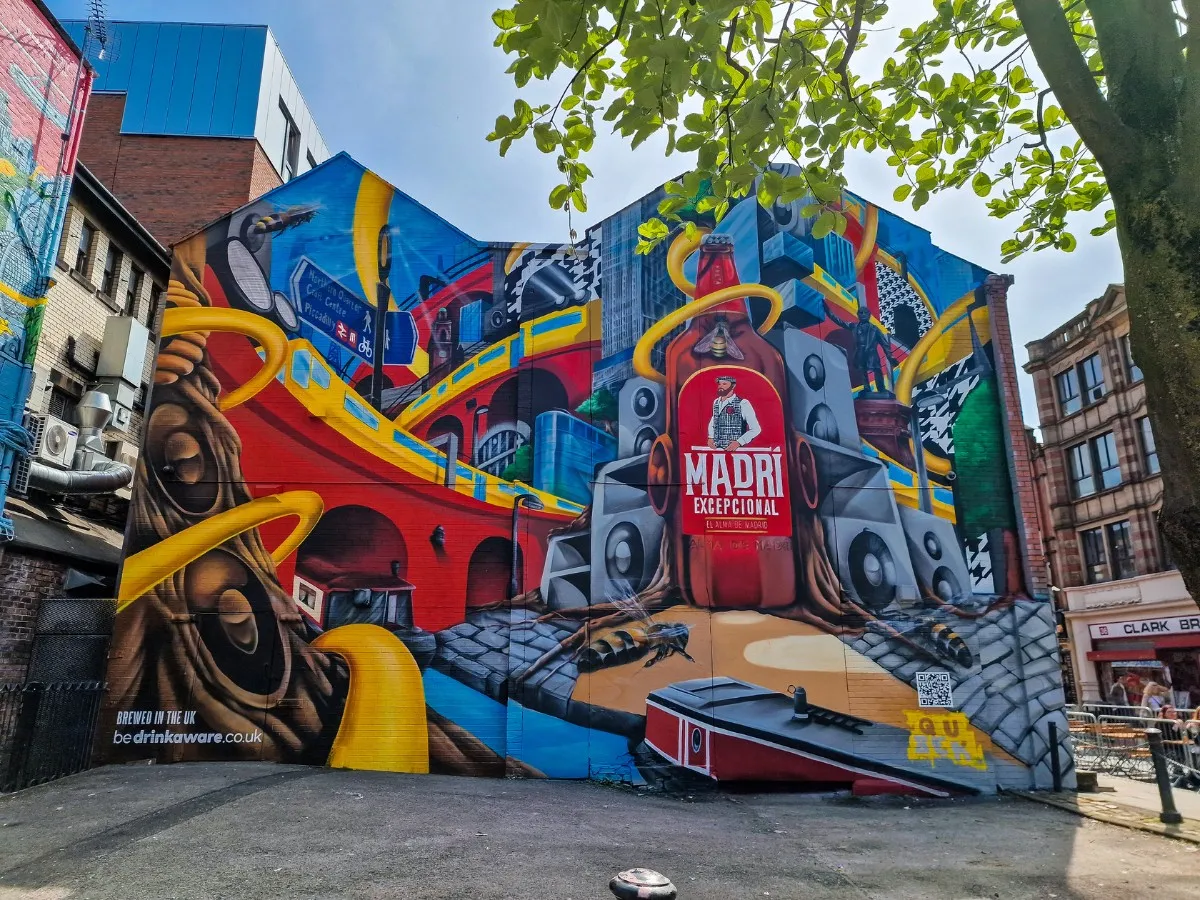 Photo: Northern Quarter, via www.manchesterpocketguide.com
Near Misses and Saved Nights
Every engineer working in Manchester's live scene has a story about a disaster narrowly averted. The nature of live audio means that something unexpected is always possible — a faulty cable, a power spike, a band member who has changed their entire setup without mentioning it to anyone.
One engineer, who works primarily at a well-known venue in the city centre and understandably requested complete anonymity, described the night a touring band's entire digital stage box failed fifteen minutes before doors. "We had a full house coming in, no time to troubleshoot, and their engineer was somewhere between panicking and crying. We pulled out a backup analogue split we kept in the back of the stage cupboard — proper old school, hadn't been used in years — and re-patched everything by hand. The band went on twelve minutes late and nobody in the audience had any idea."
Those backup solutions, improvised under pressure, are the stuff of quiet legend in Manchester's engineering community. The city's venue engineers tend to be resourceful in a way that touring engineers sometimes are not, simply because they know every quirk and fault line of their specific room. They know which channel on the desk has a dodgy fader that needs to be approached at a specific angle. They know that the PA on the left side of the room has a slightly different time alignment that needs compensating for. That accumulated, unglamorous knowledge is what gets nights over the line.
The Rider Requests
We would be doing everyone a disservice if we did not ask about the riders. While the legendary tales of full-size snooker tables and bowls of M&Ms with the brown ones removed belong to a different era and a different budget tier, Manchester's working engineers have their own collection of memorable requests.
"I had a band ask for a specific brand of still water — fair enough — but only at room temperature, and only in glasses, not bottles, because 'bottles affect the energy of the room'," says Jamie. "I got them the water. In glasses. I did not comment on the energy."
More common, and considerably more stressful, are the technical riders that arrive late or not at all. An engineer who has been told a band is bringing their own in-ear monitoring system, only to discover at load-in that the system requires a specific output configuration the venue's desk does not support, has a very particular kind of problem to solve in a very short amount of time. "You develop a sixth sense for reading riders," says Saoirse. "And a second sense for when the rider bears no resemblance to what's actually going to turn up."
The Unspoken Language
Perhaps the most fascinating aspect of what Manchester's live engineers do is the non-verbal communication that develops between them and the performers during a show. A raised eyebrow from the vocalist. A gesture from the guitarist. A look from the drummer that means something specific and immediate that only the engineer who has worked with them before can decode.
"There's a bassist I work with regularly who has this thing where he taps his ear twice if he wants more of himself in the monitor and once if he wants less," says one engineer. "We never agreed on that. It just evolved. By the third or fourth gig it was completely natural."
This kind of shorthand is built on trust and repetition. The engineers who develop long-term working relationships with specific bands or artists become genuinely collaborative parts of the creative process, not just technical facilitators. Their instincts about when to push a mix and when to pull back, when to let a moment breathe and when to add presence to a vocal, shape the emotional arc of a performance in ways that are real but almost impossible to quantify.
What They Want You to Know
If there is one thing Manchester's live engineers want gig-goers to understand, it is this: the mix you are hearing is a live, constantly adjusted thing. It is not a recording being played back. Every room behaves differently as it fills with people. Every band plays slightly differently under pressure. The engineer is responding to all of it, in real time, with no second takes.
So next time you are at a gig and the sound is genuinely great — the vocals are clear, the drums have weight, the guitars sit in the mix like they were born there — take a second to glance back at the desk. There is a person back there who has been working since the afternoon to make sure you never had to think about any of this.
They will probably appreciate the nod.