Lights Out: The Final Nights at Manchester's Fallen Venues
Lights Out: The Final Nights at Manchester's Fallen Venues
There's a particular kind of grief that hits you when a venue dies. It's not like losing a person, but it's not entirely unlike it either. You lose the smell of the place — that specific cocktail of stale beer, ancient carpet, and decades of sweat baked into the walls. You lose the sightlines, the acoustics, the sticky patch near the bar that everyone knew to avoid. And you lose the shared memory of every gig that ever happened inside those four walls.
Manchester has lost more than its fair share of beloved rooms over the years. Some went quietly, victim to rising rents and dwindling footfall. Others were swallowed by developers with no interest in cultural legacy. A few simply burned out, like the bands they'd hosted for so long. But what almost every one of them had in common was a final night that nobody quite knew how to handle — equal parts celebration and funeral.
When the Rumours Started Flying
Word that a venue is closing rarely arrives cleanly. More often it leaks out sideways — a promoter mentions it in passing, someone spots a planning notice taped to the window, or the landlord stops returning calls. For the regulars, denial is usually the first response.
"You'd hear things and think, nah, they've been saying that for years," recalls one Manchester bassist who played dozens of gigs at a much-missed city centre venue in the early 2000s. "Then someone shows you the official notice and it just... lands differently. Your whole history with that place suddenly feels very finite."
That sense of finitude is what transforms a closing night from an ordinary gig into something else entirely. The room fills differently. People who haven't been in years turn up. Old bandmates reunite on the door. Everyone is slightly more present than usual, because everyone knows this is the last time.
The Performers Who Played the Farewell
For the musicians asked to play those final shows, the weight of the occasion is immense. Being on the bill for a venue's closing night carries a responsibility that no ordinary support slot or headline set does.
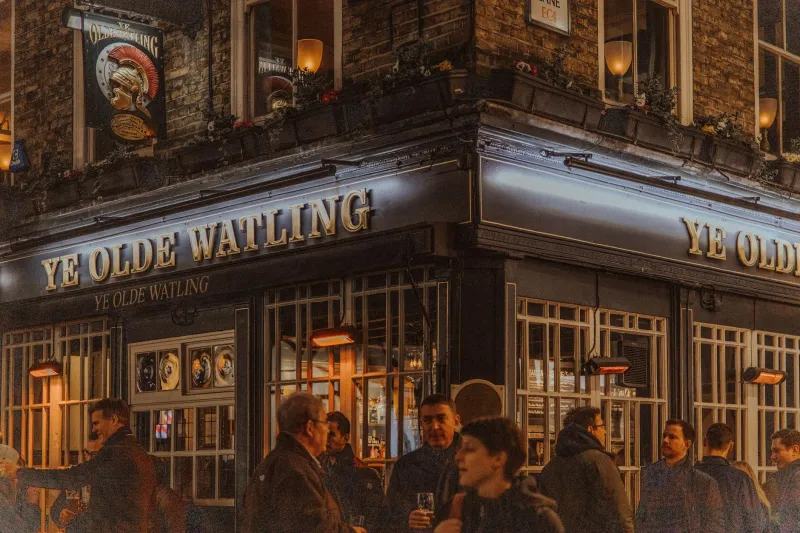
"I was terrified, honestly," says one singer-songwriter who headlined a closing night at a well-loved venue in the Northern Quarter. "This room had hosted bands I grew up worshipping. And now I'm the last person to ever play here. You feel like you owe it something. Like you have to make it count for everyone who ever stood on that stage before you."
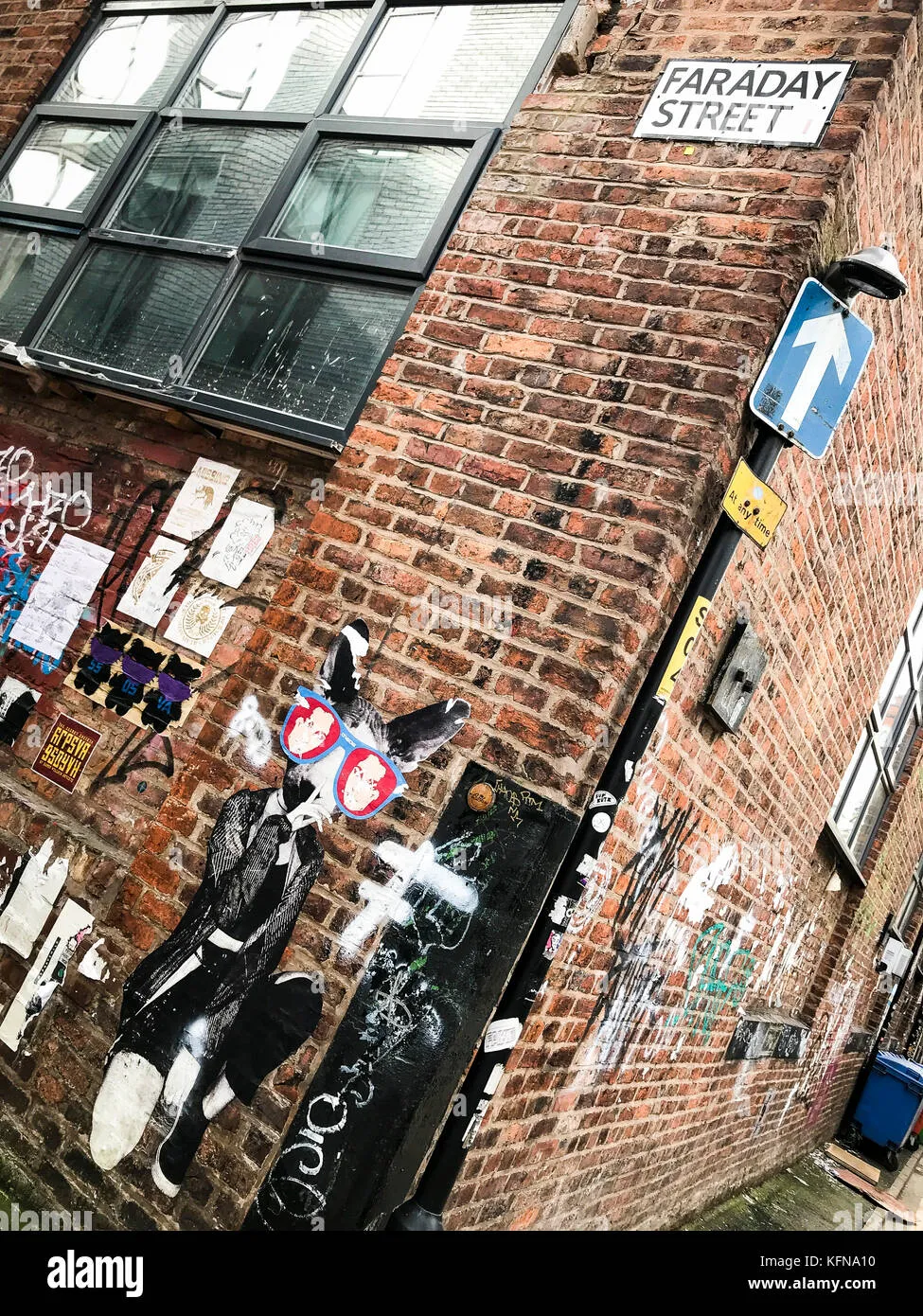 Photo: Northern Quarter, via c8.alamy.com
Some closing nights are planned meticulously — curated bills featuring alumni acts, emotional speeches, a proper send-off. Others are more improvised, the announcement coming too late for anything elaborate. A few of the most memorable final evenings weren't even officially billed as closing nights at all, the news only confirmed after the fact, which gave them an eerie, unresolved quality that stuck with everyone present.
What the Promoters Remember
For the people who built their professional lives around these rooms, the closures cut even deeper. Manchester's independent promoters often have relationships with venues that span decades — they know which microphone stand wobbles, which fuse box trips if you push the PA too hard, which member of bar staff will slip you a free pint if the night goes well.
"You become part of the building, in a weird way," says one veteran promoter who has seen several Manchester rooms close since he started putting on gigs in the mid-nineties. "When it shuts, a version of you shuts with it. All those decisions you made, all the risks you took in that room — they don't exist anywhere physical anymore. They're just in people's heads."
He pauses. "And people forget. That's the brutal part. In ten years, half the people who were there won't remember the name of the place."
The Punters Who Held Vigil
Perhaps the most quietly heroic figures on any closing night are the regulars — the people who have no professional stake in the venue, who simply love it because it's theirs. They're the ones who arrive earliest, stay latest, and stand at the back nursing a pint with the expression of someone attending a wake.
For many Manchester music fans, certain venues represent entire chapters of their lives. The room where they saw their first proper gig. The stage where a mate's band played for the last time before splitting up. The dark corner where they kissed someone they probably shouldn't have. Closing a venue doesn't just end the programming — it bricks over a personal archive.
"I cried," admits one regular at a Salford venue that shuttered a few years back. "Proper cried. My mates took the mick, but they were all gutted too. We just showed it differently."
What Survives the Demolition
Here's the thing about Manchester, though — these places don't entirely disappear. They survive in setlists scrawled on the back of flyers. In blurry photographs taken on early mobile phones. In the stories that get told at other venues, in other cities, by people who were there.
Some survive more literally. Bits of signage end up on bedroom walls. Bar stools migrate to house parties. Someone always takes a photograph of the stage on the last night, and that image circulates for years afterwards.
And the musicians who played those rooms carry them forward in their music — in the songs that were written there, road-tested there, occasionally destroyed and rebuilt there over a hundred consecutive Friday nights.
Manchester keeps losing venues. It's been happening for as long as anyone can remember, and it'll keep happening as long as property is worth more than culture. But the city has never quite let those places go, either. They live on in the scene they helped create — in the bands that formed in their back rooms, the careers that launched from their stages, the friendships that started at their bars.
The lights go out. The music doesn't.