Show Me the Room: What Manchester's Gatekeepers Really Look For Before They'll Book You
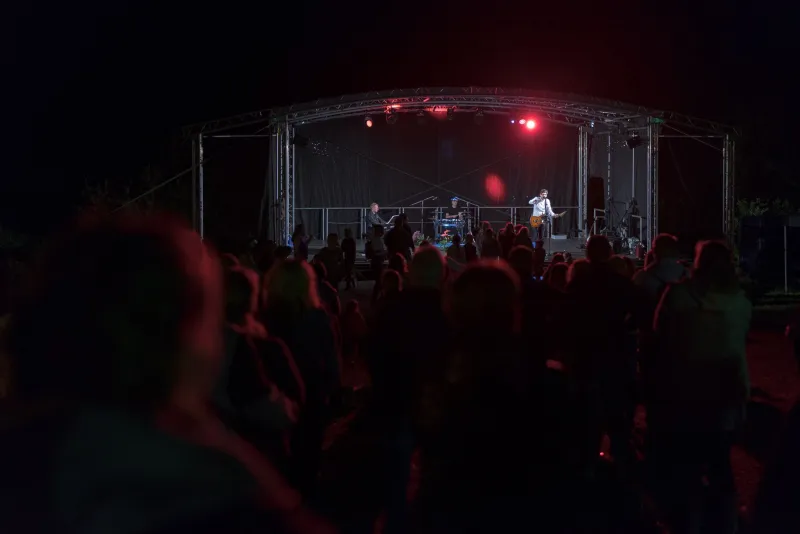
There's a moment that every emerging Manchester band knows, even if they've never been able to describe it. You've just come offstage. The crowd wasn't massive — maybe fifty people, maybe less — but something happened in that room. And the bloke who's been leaning against the back wall all night, arms folded, watching everything except his phone, starts walking towards you.
That walk. That's the Manchester handshake.
It doesn't always end in a booking. Sometimes it ends in a nod, a "yeah, decent that," and nothing more. But understanding what that person was actually clocking during your set — and in the weeks before it — is the difference between a career and a hobby. So we asked around. Promoters, managers, a couple of booking agents who'd rather not be named. Here's what they actually told us.
It's Never Really Been About the Numbers
Let's get this one out of the way first, because it comes up every single time. Social media followers. Streaming numbers. Monthly listeners. Everyone in the industry will tell you they matter, and then, in the same breath, tell you a story about a band with 400 Instagram followers who they booked immediately and a band with 40,000 who they passed on without hesitation.
"The numbers tell you about marketing," says one Manchester-based promoter who's been putting on shows across the city for the better part of fifteen years. "They don't tell you about music. I've seen artists with huge online presences turn up and clear a room. I've seen complete unknowns make people cry."
What the gatekeepers are actually looking at online isn't the follower count — it's the quality of engagement. Are the comments specific? Do people quote lyrics back at the band? Are strangers tagging other strangers? That kind of organic enthusiasm is almost impossible to fake at scale, and experienced eyes can spot it in about thirty seconds.
The Rehearsal Room Reputation
Manchestor is a small city when it comes to music. Everybody knows everybody, and word travels faster than any algorithm. One thing that comes up repeatedly in conversations with people who book bands is the rehearsal room network — the informal web of gossip, recommendation, and quiet reputation that runs through places like the Northern Quarter and out into Salford and Ancoats.
"Before I ever see a band play, I've usually already heard something about them," admits one manager who currently looks after three acts at different stages of their careers. "Whether they're easy to work with. Whether they're reliable. Whether they turn up on time and take it seriously. That stuff gets around."
This is the part no one talks about in the YouTube tutorials on how to get gigs. Being a decent human being in the rehearsal corridor. Helping load someone else's gear. Showing up when you said you would. Manchester's music community rewards consistency in ways that are completely invisible to outsiders but completely obvious to the people who matter.
What Actually Happens During the Set
When a promoter or manager is watching a new act, they're not really listening to the music in the way a fan would. They're watching the room. Specifically, they're watching the people who don't know the band.
"Anyone can bring their mates," one booking agent explains. "I want to see what happens with the strangers. Does the front row stay at the front? Do people come in from the bar? Does anyone get their phone out to record something? That's real. That's not manufactured."
There's also the question of stage presence under pressure. Small venues in Manchester — your Night & Day Cafés, your Gullivers, your Deaf Institutes before they went — they're unforgiving rooms. The sound isn't always great. The lighting's basic. There's no real barrier between the band and the audience. How an act carries themselves in that environment tells you everything about how they'll handle a bigger stage.
Bands that apologise for every imperfection, that talk too much between songs, that look at their shoes when the response is underwhelming — these are red flags. Not because confidence is everything, but because live performance is fundamentally about connection, and you can't connect if you're retreating inward.
The Follow-Up Test
Here's one that almost nobody talks about, but came up in almost every conversation we had. What happens after the gig?
Do they follow up professionally? Do they send a message that's specific and genuine, or a copy-paste template? Do they ask smart questions — about the room, about the audience, about what worked — or do they just ask when they can play again?
"The bands I've gone on to have long relationships with are the ones who treated every gig as information," says one promoter. "They wanted to know what the room responded to. They were curious. That curiosity is really rare, and it's the thing that separates the ones who grow from the ones who stay exactly where they are."
The Manchester handshake, it turns out, isn't a single moment. It's a series of small tests spread across weeks and months. The bands who understand that — who play the long game with the same intensity they bring to their best songs — are the ones who eventually get the call that matters.