When the Beautiful Game Meets Beautiful Music
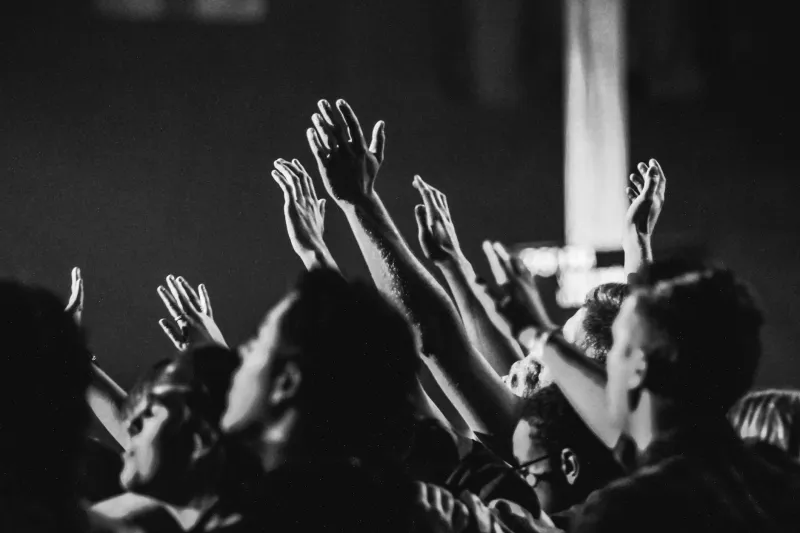
There's something magical about the moment when 75,000 voices unite in perfect harmony – whether it's belting out 'Blue Moon' at the Etihad or roaring through 'Glory Glory Man United' at Old Trafford. But dig deeper into Manchester's musical heritage, and you'll discover that the relationship between football terraces and concert stages runs far deeper than most punters realise.
The crossover between Manchester's football culture and its legendary music scene isn't just coincidence – it's the natural evolution of a city that breathes rhythm and melody. From the Stone Roses to Oasis, Happy Mondays to The Smiths, Manchester's musical royalty have always understood that the collective energy of the terraces mirrors the electric atmosphere of a proper gig.
The Anatomy of an Anthem
Walk through any pub in Manchester on match day, and you'll hear it straight away – melodies that started life in recording studios now echo from the stands. Take 'Blue Moon', originally written by Rodgers and Hart in 1934, which became City's unofficial anthem through pure osmosis. The song found its way onto the Kippax via the club's supporters' clubs in the 1980s, but its staying power comes from that same emotional resonance that makes a brilliant tune stick in your head for days.
Similarly, United's adoption of 'Glory Glory Man United' – borrowed from the American Civil War song 'Battle Hymn of the Republic' – shows how Manchester fans have always been willing to nick a good melody when they hear one. It's the same instinct that saw Oasis lift entire chord progressions from The Beatles, or Happy Mondays sample everything from Talking Heads to Kraftwerk.
When Musicians Became Fans (And Vice Versa)
The genius of Manchester's music-football crossover lies in how naturally it flows both ways. Noel Gallagher didn't just support City – he understood that the communal experience of singing 'Don't Look Back in Anger' with 80,000 other people at Maine Road created the same tribal unity as watching Shaun Goater score against United.
Bernard Sumner from New Order and Joy Division was a regular at City matches, and you can hear the influence of terrace chanting in tracks like 'World in Motion' – literally, since it was England's official World Cup song in 1990. The repetitive, building nature of football chants mirrors the hypnotic quality that made Manchester's electronic scene so revolutionary.
Even bands who weren't necessarily football mad couldn't escape the influence. The Smiths might have been too cool for football tribalism, but Morrissey understood crowd dynamics from watching how United fans turned Old Trafford into a cauldron of noise. That understanding of collective emotion runs through every Smiths gig recording you'll ever hear.
The Science of Shared Experience
What makes a football chant stick is the same thing that makes a song become an anthem – it has to be singable, memorable, and emotionally resonant. The best terrace songs follow the same rules as the best pop songs: simple melodies, repetitive hooks, and lyrics that mean something to the people singing them.
Consider how 'Wonderwall' became an unofficial anthem for both City and United fans, despite Oasis' obvious Blue allegiances. The song works on the terraces because it was designed for mass participation – those soaring choruses and easy-to-remember words translate perfectly from concert halls to football grounds.
From Haçienda to Old Trafford
The influence runs deeper than individual songs, though. Manchester's club culture – and we're talking about both kinds of clubs here – has always been about creating spaces where strangers become part of something bigger. The same energy that made the Haçienda legendary on Saturday nights could be found on the Stretford End on Saturday afternoons.
Bands like The Stone Roses understood this instinctively. Their comeback gig at Heaton Park in 2012 felt like a football match – 75,000 people united by shared history and collective memory, singing every word back at Ian Brown like he was leading a terrace chant.
The Digital Age Changes Everything (But Not Really)
Today's football fans might organise their singing via WhatsApp groups and Twitter, just like gig-goers discover new bands through Spotify playlists. But the fundamental experience remains the same – Manchester's music and football scenes continue to feed off each other's energy.
When City won the Premier League in 2012, the celebration song wasn't some corporate anthem – it was 'Blue Moon' mixed with Kasabian's 'Club Foot', because Manchester fans still understand that the best soundtracks come from the city's own musical heritage.
More Than Just Songs
Ultimately, the relationship between Manchester's football terraces and its music venues represents something deeper about the city's character. Whether you're bouncing along to 'Kinky Afro' at a Happy Mondays reunion or joining 50,000 other voices in 'We're Not Really Here' at the Etihad, you're participating in the same tradition – the Manchester way of turning individual voices into something collectively powerful.
That's the real magic of this city's musical DNA. From the terraces to the tour bus, it's always been about bringing people together through the universal language of a bloody good tune.