The Beat Goes On
There's something in Manchester's water. Maybe it's the industrial heritage seeping through cracked concrete, or the ghost of Tony Wilson whispering production secrets through the city's rain-soaked streets. Whatever it is, the same creative DNA that birthed Joy Division's stark beauty and the Stone Roses' psychedelic swagger is alive and kicking in the hands of today's producers.
Walk through the Northern Quarter on any given Tuesday afternoon, and you'll hear it bleeding through rehearsal room doors – the unmistakable sound of Manchester reinventing itself once again. These aren't your typical bedroom producers scrolling through YouTube tutorials. They're the inheritors of a legacy that stretches from Martin Hannett's revolutionary work at Strawberry Studios to the Haçienda's genre-defying nights.
From Factory Floor to Home Studio
The lineage is clear when you dig beneath the surface. Where Factory Records once pushed boundaries with primitive samplers and unconventional recording techniques, today's Manchester producers are wielding Ableton Live and vintage Moogs with the same experimental spirit. The tools have evolved, but the attitude remains defiantly Mancunian – take risks, ignore the rulebook, and let the city's gritty romanticism seep into every snare hit.
Take the converted mill spaces dotted around Ancoats and New Islington. These former textile factories now house creative collectives where young producers collaborate across genres that would've seemed impossible during the Madchester era. Grime meets post-punk, drill beats underpin indie melodies, and somehow it all makes perfect sense when filtered through Manchester's unique musical perspective.
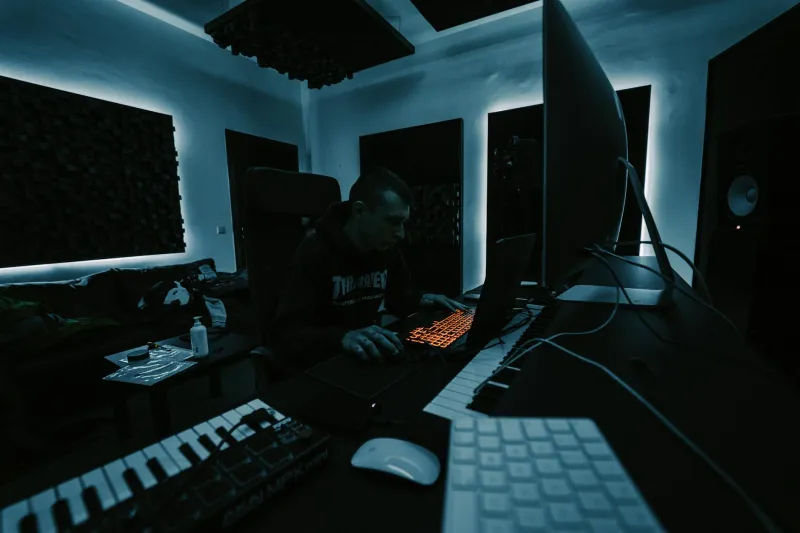
The democratisation of music production technology means these artists aren't waiting for major label backing or expensive studio time. Armed with laptops and a few key pieces of hardware, they're crafting sounds that major artists are already taking notice of. It's not uncommon to find beats created in a Chorlton flat ending up on albums that chart in the top 10.
The New Manchester Method
What sets these producers apart isn't just their technical skill – it's their understanding of Manchester's musical heritage and how to channel it into contemporary contexts. They've absorbed the lessons of the past without being enslaved by them. The result is music that feels both timeless and urgently modern.
The influence extends far beyond Manchester's city limits. London-based artists are increasingly seeking out these northern producers, drawn by their reputation for adding something indefinable to tracks – that Manchester magic that transforms good songs into anthems. It's the same quality that made 'Blue Monday' a global phenomenon and turned Oasis into world-conquerors.
Genre boundaries mean little to this generation. One producer might spend Monday crafting beats for a grime MC, Tuesday working on atmospheric soundscapes for an indie band, and Wednesday collaborating with a soul singer on something that defies easy categorisation. This genre-fluid approach echoes the Haçienda's anything-goes philosophy, where house, indie, and alternative rock coexisted on the same dancefloor.
Technology Meets Tradition
The tools might be digital, but the process remains deeply rooted in Manchester's collaborative culture. Producers regularly share stems, swap equipment, and bounce ideas off each other in ways that mirror the communal spirit of the city's legendary music scene. WhatsApp groups buzz with beat exchanges, and impromptu studio sessions happen with the same frequency as casual pub meetups.
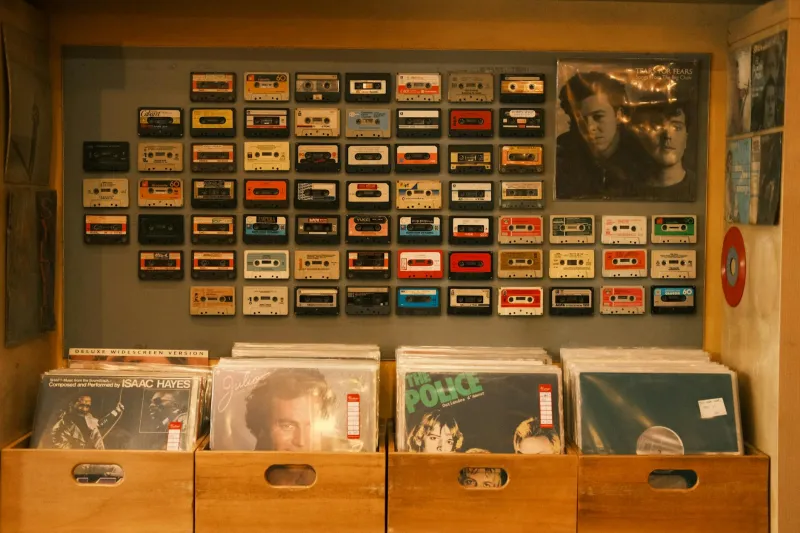
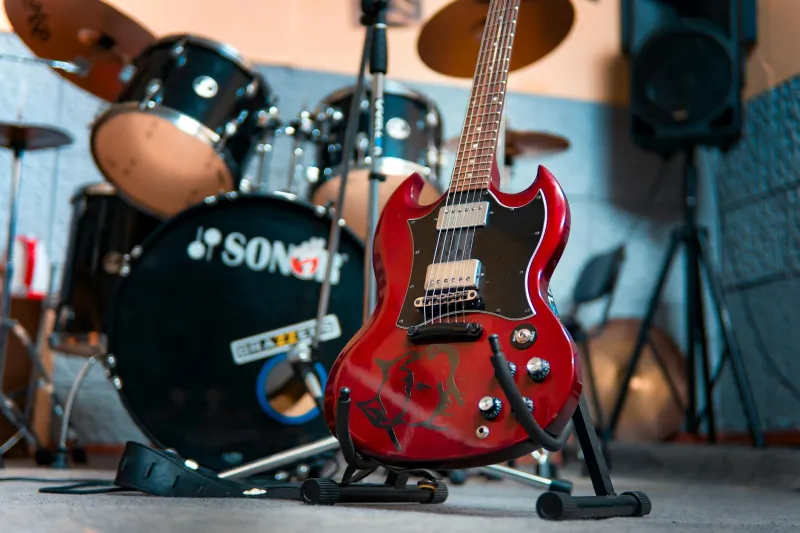
Vintage equipment still plays a crucial role, with many producers hunting down the same gear used by their predecessors. That distinctive Manchester sound often comes from running modern productions through analogue equipment that's seen decades of use. It's not nostalgia – it's about understanding what made those classic records so compelling and applying those lessons to contemporary music-making.
Beyond the Beats
These producers aren't just making music; they're documenting Manchester's ongoing cultural evolution. Their beats capture the city's current mood – the optimism of regeneration projects, the tension of gentrification, the pride in musical heritage, and the determination to write the next chapter.
The influence flows both ways. While these producers draw inspiration from Manchester's past, they're also shaping its future. Young musicians starting bands today are influenced by the sounds coming out of these home studios, creating a feedback loop that ensures Manchester's musical DNA continues to evolve rather than stagnate.
The Future Sounds Familiar
As streaming platforms make it easier than ever for Manchester-made beats to reach global audiences, the city's producers are finding themselves at the centre of British music's evolution once again. They're not trying to recreate the past – they're too busy inventing the future.
The legacy of Factory Records and the Haçienda lives on, not as museum pieces to be preserved, but as living inspiration for a new generation of creative risk-takers. In converted mills and bedroom studios across Manchester, tomorrow's classics are being crafted by artists who understand that the city's greatest musical export has always been its fearless creativity.
The beat goes on, and it's never sounded better.