The Unlikely Guardians of Greatness
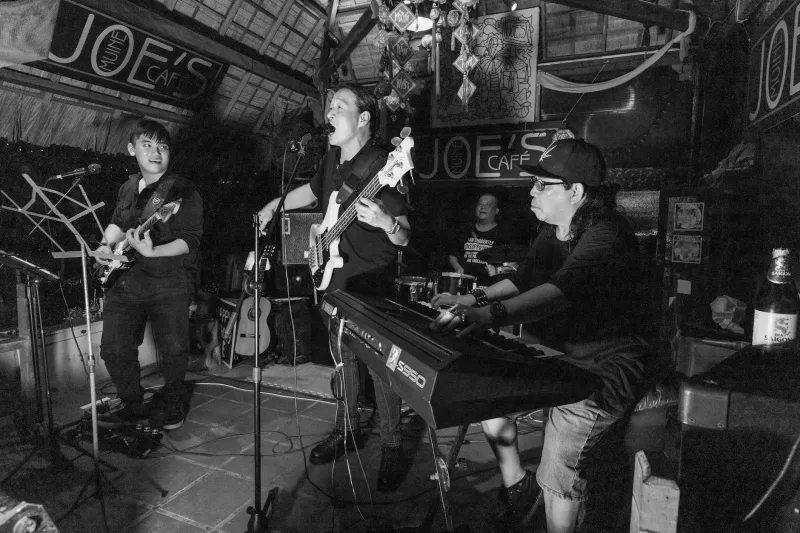
In the corner of a dimly lit pub in Levenshulme, a makeshift stage hosts three lads with more enthusiasm than equipment. The PA system is older than two of the band members, the microphone stand wobbles dangerously, and the entire setup probably violates several health and safety regulations. But tonight, magic might happen.
Behind the bar, pulling pints with one eye on the till and another on the stage, stands Julie Morrison. She's been running The Klondyke for eight years, and in that time, she's watched dozens of bands take their first tentative steps into Manchester's music scene. Some went nowhere. A few went everywhere.
"People think I'm mad," Julie says, expertly handling three orders while a particularly loud guitar solo threatens to shatter the windows. "I could make twice as much money with a quiz night and karaoke. But where's the soul in that?"
Julie represents a dying breed: the pub landlord who genuinely believes in live music's power to transform both performers and punters. Across Greater Manchester, their numbers are dwindling, squeezed by rising costs, licensing headaches, and the simple economics of modern pub life.
The Numbers Don't Add Up
Running live music nights in a pub isn't a business decision – it's a calling that defies financial logic. The maths are brutal: hire a PA system (£200), pay the bands (£100-300), cover extra security (£150), deal with increased insurance premiums, and hope enough punters turn up to buy sufficient pints to justify the chaos.
"I lose money on every live night," admits Dave Cartwright, who runs The Castle in Oldham. "The profit margins on beer are already tight, and live music brings extra costs you don't get with a DJ. But I've seen what happens to pubs that give up on live music – they become soulless drinking factories."
Dave's been in the trade for fifteen years and has watched countless venues abandon live music for more profitable alternatives. Quiz nights bring guaranteed numbers. Karaoke requires minimal setup. Live bands are unpredictable, loud, and attract the kind of punters who nurse a single pint all evening while discussing the finer points of alternative tunings.
"My accountant thinks I'm mental," Dave laughs, polishing glasses while recounting the time a local band's drummer put his foot through the stage. "But I've had kids come up to me years later, saying their first gig here changed their lives. You can't put a price on that."
The Licensing Labyrinth
Beyond the economics lies the bureaucratic nightmare of keeping live music legal. Modern licensing laws weren't designed with small venues in mind, creating a maze of regulations that would challenge a team of lawyers, never mind a busy pub landlord.
"The paperwork alone is enough to put most people off," explains Sandra Williams, who runs The Railway in Stockport. "You need entertainment licences, noise assessments, fire safety certificates, and God knows what else. Every time a neighbour complains about noise, it's another form to fill in, another inspection to arrange."
Sandra has been fighting these battles for twelve years, ever since she inherited The Railway from her father. The pub has been hosting live music since the 1970s, but the regulatory burden has increased exponentially.
"My dad just used to let bands play and hoped for the best," she says wistfully. "Now I need risk assessments for everything. Last month, the council wanted a detailed plan showing how we'd evacuate the building if a guitar amplifier caught fire. I mean, seriously?"
The irony isn't lost on these landlords that they're jumping through hoops to provide a service that benefits the entire local music ecosystem. Without pub stages, emerging bands have nowhere to cut their teeth. Without that developmental space, Manchester's music scene would lose its legendary grassroots foundation.
Against All Odds
What drives these publicans to persist when every incentive points towards giving up? For most, it's a combination of stubborn pride and genuine love for music that transcends business sense.
"I grew up going to gigs in pubs," says Tommy Hassan, landlord of The Cornerhouse in Gorton. "Some of the best nights of my life happened on sticky-floored stages that looked like they might collapse at any moment. When I got the chance to run my own pub, I knew I wanted to give that experience to other people."
Tommy's venue epitomises the archetypal Manchester music pub: cramped, slightly chaotic, but crackling with authentic energy. The stage is barely big enough for a four-piece band, the sound system has seen better decades, and the toilets are an adventure in themselves. Yet bands queue up to play there.
"It's not about having the best facilities," explains local band manager Kerry O'Sullivan, whose acts have played dozens of Greater Manchester pubs. "It's about having landlords who care. Tommy will stay late to help you load out your gear. He'll promote your gig on social media. He'll remember your name and ask how the recording went. That personal touch is what makes these venues special."
The Ripple Effect
The impact of these pub stages extends far beyond the venues themselves. For many Manchester bands, their first paid gig happened in a local pub, creating a foundation of confidence and experience that carried them to bigger stages.
"Every major Manchester band played pubs first," argues music historian and longtime scene observer Paul Davies. "The Smiths, Oasis, Joy Division – they all served their apprenticeships in small venues where landlords took a chance on unknown kids with guitars."
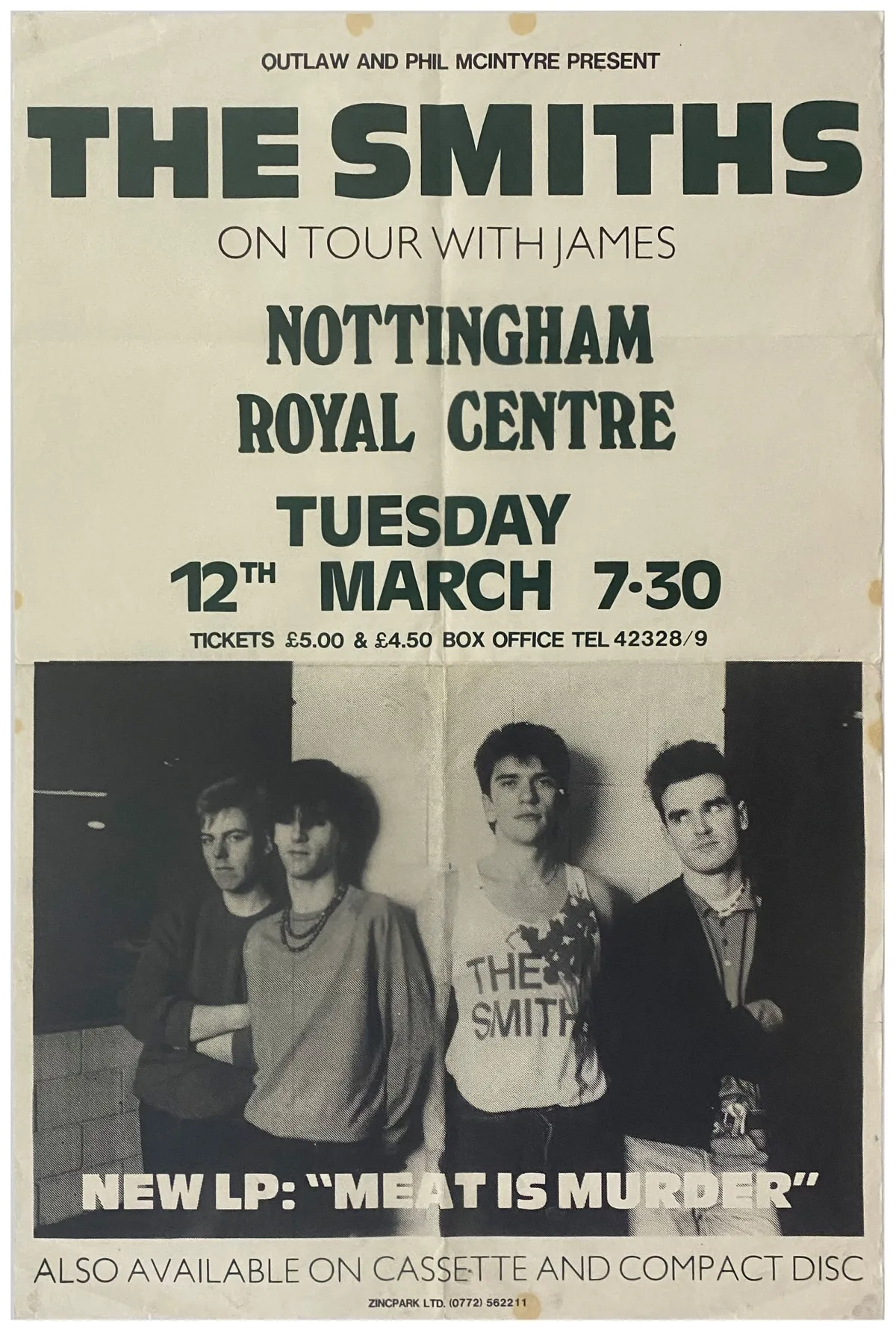 Photo: The Smiths, via webuyrockandroll.com
This developmental pathway remains crucial today. Streaming platforms might offer global reach, but they can't replicate the experience of winning over a room full of skeptical punters armed with nothing but songs and attitude.
"You learn things on a pub stage that you can't learn anywhere else," says Jake Morrison, whose band The Satellite Kids graduated from pub gigs to festival slots over three years. "How to deal with technical problems, how to read a crowd, how to keep going when everything's going wrong. Those skills don't come from bedroom recording."
The New Challenges
Modern pressures have added fresh complications to an already difficult equation. Rising rent and business rates squeeze profit margins further, while changing drinking habits mean younger punters often arrive later and drink less.
"The pre-drinking culture has killed our early evening trade," explains Lisa Chen, who runs The Venue in Wythenshawe. "Kids turn up at 10pm having already had half a bottle of vodka at home. They're not buying many drinks, and they're more likely to cause trouble. But they're also the ones who care most about live music."
Social media has created new promotional opportunities but also new expectations. Bands expect venues to have professional photos, video content, and active online presence – responsibilities that fall to already overstretched landlords.
"I'm running a pub, not a media company," says Dave from The Castle. "But if you're not on Instagram and TikTok these days, you might as well not exist. It's another job on top of everything else."
The Unsung Heroes
Perhaps the most remarkable aspect of these pub landlords' commitment is how little recognition they receive. While Manchester's major venues get press coverage and industry awards, the publicans providing crucial developmental space for emerging talent work in relative obscurity.
"Nobody writes about the landlord who gave Oasis their first gig," observes music photographer Mike Stevens, who's documented Manchester's pub scene for two decades. "But without those early stages, those bands never develop the confidence to make it to the Academy or Apollo."
This lack of recognition extends to the music industry itself. Record labels scout the Academy and Gorilla, but rarely venture into suburban pubs where tomorrow's headliners are learning their craft tonight.
"The industry has forgotten where bands actually come from," argues promoter Sarah Walsh. "They want the finished product, but they don't want to invest in the process that creates it. Thank God for pub landlords who still believe in that process."
Looking Forward
Despite the challenges, a core group of Manchester pub landlords remains committed to live music. Their motivation transcends profit margins and embraces something more fundamental: the belief that music matters, that community matters, and that sometimes the most important cultural contributions happen in the most unlikely places.
"I'll keep doing this until they carry me out," declares Julie from The Klondyke, as another unknown band sets up for their first Manchester gig. "Someone has to give these kids a chance. Someone has to keep the dream alive."
As long as landlords like Julie continue fighting the good fight, Manchester's musical future remains in safe hands. The next time you're at a gig in the Apollo or Academy, remember: it probably started in a pub, with a publican who cared more about music than money.