The Cost of Keeping the Faith
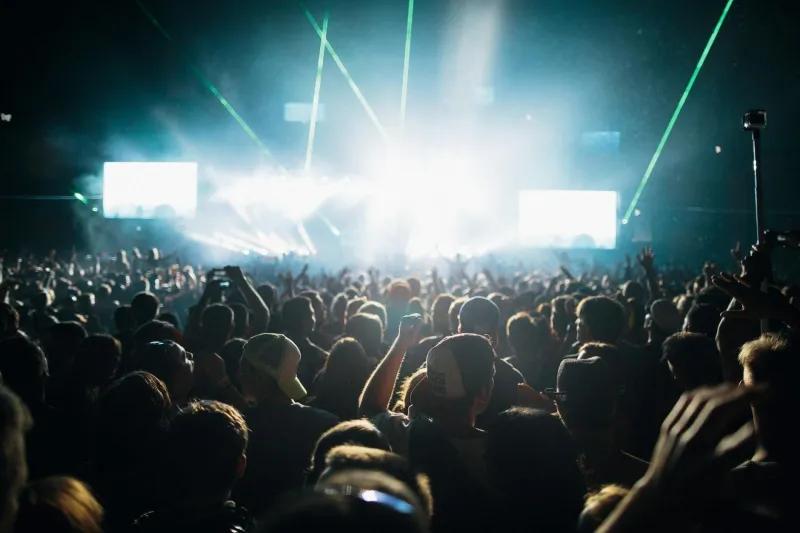
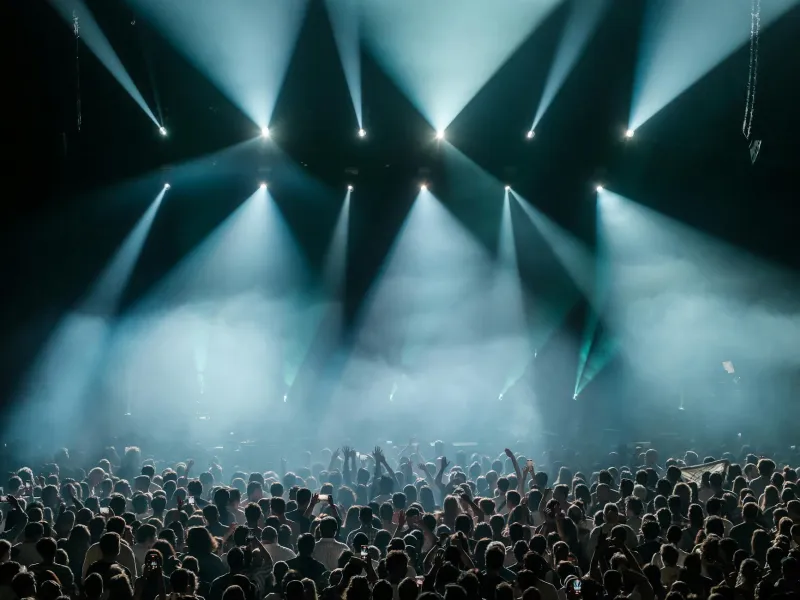
There's something deeply ironic about paying £150 to see a band sing about working-class struggles from the back row of the AO Arena. Yet this is exactly where Manchester's live music scene finds itself in 2024 – caught between the city's reputation as the people's music capital and an industry increasingly designed to extract maximum profit from every punter through the door.
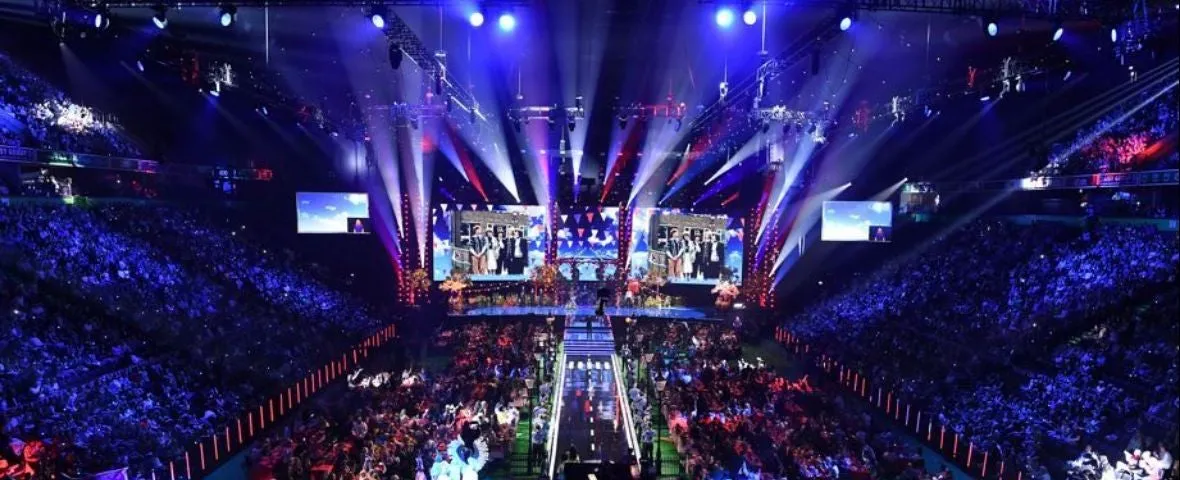 Photo: AO Arena, via www.ao-arena.com
Walk down Oxford Road on any given weekend and you'll spot them: groups of twenty-somethings huddled around phones, frantically refreshing Ticketmaster as prices surge in real-time. These are the same streets where previous generations queued overnight for tickets that cost less than a round of drinks. Now, those same fans are being systematically priced out of the very culture they helped create.
When Dynamic Pricing Meets Manchester Reality
Sarah Collins, a 28-year-old teacher from Wythenshawe, discovered the harsh reality of modern ticketing when trying to see her favourite band at the Warehouse Project. "I watched the price go from £45 to £89 while I was in the queue," she tells us. "By the time I got through, general admission was £120. That's more than I spend on groceries in a month."
This isn't just about big arena shows. Even grassroots venues are feeling the squeeze. The Night and Day Café, a legendary spot for discovering new talent, has seen average ticket prices double since 2019. Owner Jan Oldenburg explains the impossible position: "We want to keep prices accessible, but rent, utilities, and artist fees have all skyrocketed. Something has to give."
The introduction of dynamic pricing – where ticket costs fluctuate based on demand – has turned buying concert tickets into a high-stakes gamble. What was once a straightforward transaction has become an exercise in economic psychology, where your love for a band is measured against your mortgage payment.
The Soul Price of Success
Manchester's musical identity was forged in working-class communities where a night out at a gig was an affordable escape, not a luxury purchase. The Hacienda didn't become legendary because it catered to the wealthy – it thrived because it was accessible to everyone from factory workers to students.
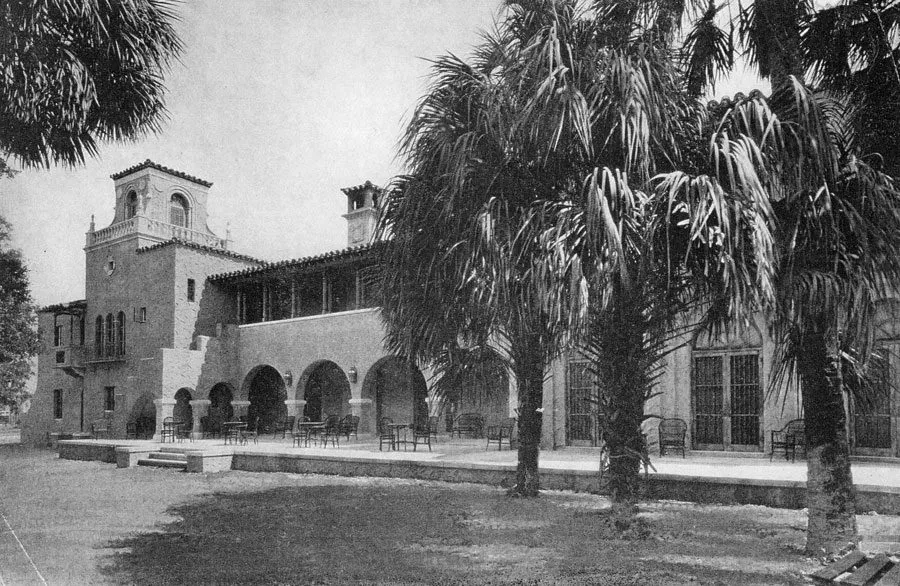 Photo: The Hacienda, via haciendahotelnpr.com
Today's pricing structure threatens to fundamentally alter this dynamic. Marcus Thompson, who runs independent promotions company Northern Noise, sees the cultural shift firsthand: "We're creating a two-tier system where only middle-class fans can afford to see established acts, while working-class kids get pushed toward smaller venues or stay home altogether."
This segregation by income isn't just unfair – it's culturally destructive. The energy that makes Manchester crowds legendary comes from diversity, from mixing students with shift workers, office employees with unemployed dreamers. Strip that away, and you're left with sanitised audiences that applaud politely rather than losing their minds to the music.
The Hidden Costs Nobody Talks About
Ticket prices are just the tip of the iceberg. Booking fees now routinely add 15-20% to the base cost, turning a £50 ticket into a £60+ commitment before you've even left the house. Then there's transport, drinks, and the inevitable merchandise that helps artists actually make money in an age of streaming pennies.
For many fans, a single gig now represents a significant financial commitment. Emma Rodriguez, a student at Manchester Met, breaks down her last concert experience: "Ticket was £65, fees made it £78, train from home was £15, and I spent another £30 on drinks. That's nearly £125 for three hours of music. I love live music, but I can't afford to love it very often."
Fighting Back: The Underground Resistance
Yet Manchester's music community isn't taking this lying down. A network of smaller venues, DIY promoters, and innovative artists are finding ways to keep live music accessible. The Peer Hat offers regular £5 shows, while venues like YES operate sliding scale pricing for certain events.
Band manager Lisa Chen, who works with several emerging Manchester acts, advocates for a different approach: "We've started doing smaller, more intimate shows at lower prices rather than chasing the big venues. The connection with fans is better, and more people can afford to come."
Some established artists are also pushing back. Local heroes like Blossoms have implemented ticket caps and anti-tout measures, while others are returning to smaller venues despite being able to fill arenas.
The Streaming Generation's Dilemma
For younger fans who've grown up with unlimited music access for £9.99 a month, the shock of live music pricing is particularly acute. Sixteen-year-old Jake Morrison from Stockport puts it bluntly: "I can listen to any song ever recorded for less than a tenner a month, but seeing one band live costs more than my part-time job pays in a week. It doesn't make sense."
This disconnect between digital affordability and physical experience pricing creates a generation gap that threatens the live music ecosystem. If young fans can't afford to attend gigs, who will discover and support emerging artists?
Solutions That Actually Work
Despite the challenges, practical solutions exist for fans willing to adapt their approach. Early bird tickets, smaller venue shows, and midweek gigs often remain reasonably priced. Following venues and promoters on social media can unlock last-minute deals, while group bookings sometimes offer discounts.
The key is shifting focus from must-see headline acts to the broader ecosystem of live music. Manchester's strength has always been its depth – for every arena headliner, there are dozens of incredible bands playing accessible shows in intimate venues.
Supporting these smaller shows isn't just economically sensible; it's culturally vital. Today's £8 ticket to see an unknown band at The Castle Hotel could be tomorrow's story about discovering the next big thing before anyone else.
Keeping Manchester's Musical Democracy Alive
Ultimately, the fight for affordable live music is about preserving Manchester's musical democracy – the idea that great music should be accessible to everyone, regardless of their bank balance. This isn't nostalgia; it's about ensuring the city's future musical legacy isn't written exclusively by those who can afford premium pricing.
The solutions require effort from everyone: venues exploring innovative pricing models, artists considering their fan base's economic reality, and fans supporting the grassroots scene that keeps music accessible and exciting.
Manchester's musical heritage wasn't built by the wealthy few – it was created by the passionate many. Keeping that tradition alive means ensuring that passion, not purchasing power, remains the price of admission to the city's musical soul.