The Hunt Begins at Closing Time
Whilst most punters are stumbling towards the exit after a proper gig, Sarah Mitchell is just getting started. Armed with a disarming smile and an encyclopaedic knowledge of Manchester's music scene, she's perfected the art of sweet-talking roadies at venues from the Ritz to the Academy. Her mission? Those handwritten setlists that most people would bin without a second thought.
"People think I'm mad," laughs Sarah, carefully sliding a pristine setlist from a 1990 Happy Mondays gig into a protective sleeve. "But these aren't just bits of paper – they're the DNA of Manchester's musical soul."
Sarah's not alone in this obsession. Across the city, a quietly passionate community of collectors are turning what others see as rubbish into priceless historical documents. They're the unsung archivists of Manchester's live music heritage, preserving moments that would otherwise vanish into the ether of fading memories.
More Than Just Song Titles
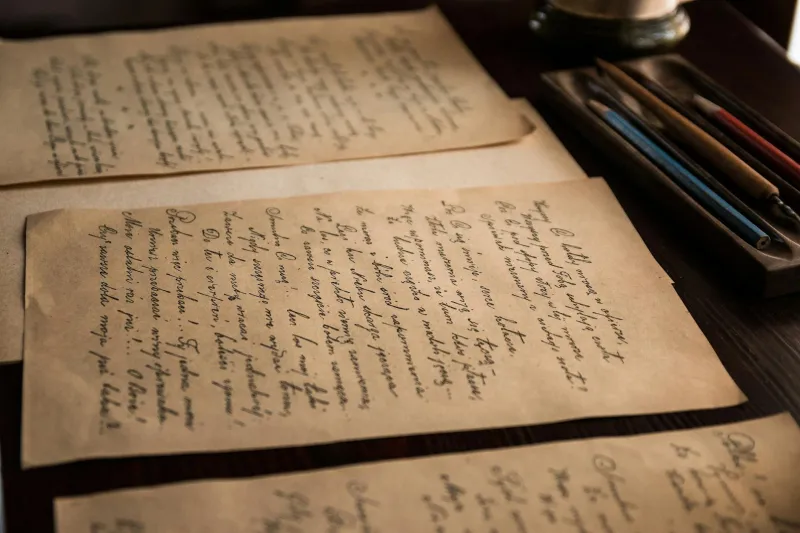
To the untrained eye, a setlist might look like nothing more than scribbled song titles on the back of a beer mat. But collectors like Dave Thompson from Chorlton see something entirely different. His collection spans three decades and includes handwritten lists from everyone from The Stone Roses to newer Manchester acts making their mark today.
"Each one tells a story," Dave explains, pulling out a particularly treasured find – a water-stained setlist from an early Oasis gig at the Boardwalk. "Look at the crossings-out, the last-minute additions. This one's got 'Champagne Supernova' pencilled in at the bottom – probably added during soundcheck."
These paper trails reveal the spontaneous magic of live performance that no Spotify playlist could ever capture. The encore that nearly didn't happen, the cover version thrown in to please the crowd, the new song tested out before a hometown audience – it's all there in biro and pencil, often smudged with the sweat and atmosphere of the venue.
The Digital Age Paradox
In our hyper-connected world where every gig gets uploaded to YouTube before the band's left the stage, you'd think physical setlists would've lost their appeal. Instead, the opposite seems true. As everything becomes digitised, these tangible pieces of musical history have become more precious than ever.
"My kids don't get it," admits collector Janet Walsh from Didsbury. "They can pull up any song they want instantly on their phones. But there's something about holding an actual piece of paper that was on that stage, that the guitarist might have glanced at between songs – it connects you to that moment in a way that a digital photo never could."
The irony isn't lost on these collectors that in trying to preserve Manchester's musical heritage, they're fighting against the very technology that's made music more accessible than ever. But perhaps that's exactly the point.
Tales from the Trading Floor
The secondary market for setlists has exploded online, with eBay becoming an unlikely battlefield for Manchester music memorabilia. Rare lists from legendary Haçienda nights can fetch hundreds of pounds, whilst anything connected to the Madchester era gets snapped up faster than tickets to a reunion tour.
"I once paid £150 for a Stone Roses setlist from Spike Island," confesses collector Mark Stevens, still slightly sheepish about the purchase five years later. "My wife thought I'd lost my mind. But it's not just about the money – it's about preserving that piece of Manchester history."
The authenticity game is crucial here. Collectors have developed an almost forensic eye for spotting fakes, from the type of paper used to the specific pens favoured by different bands' crew members. It's a level of detail that would make antique dealers proud.
The Stories Behind the Songs
What makes Manchester's setlist collecting scene particularly special is how these scraps of paper document the city's unique musical evolution. From the post-punk experimentation of the late '70s through the Madchester explosion and beyond, these lists chart not just individual gigs but the entire cultural journey of a city that's always punched above its weight musically.
Collector Emma Rodriguez has spent years mapping out how certain venues influenced what bands played. "The Academy setlists are different from the ones at smaller venues like Gorilla," she explains. "Bands take more risks in intimate spaces – you can see it in the song choices, the willingness to try new material."
Preserving Tomorrow's History Today
As Manchester's music scene continues to evolve, these collectors are already thinking ahead. They're building relationships with newer venues, establishing networks with sound engineers and tour managers, ensuring that future generations will have access to these paper time capsules.
"We're not just collectors," insists Sarah, carefully filing away her latest acquisition. "We're custodians. These setlists will outlast all of us, and hopefully, they'll help tell the story of why Manchester's music scene was so special."
In a world increasingly dominated by algorithms and playlists, there's something beautifully human about these crumpled pieces of paper. They're imperfect, fragile, and utterly irreplaceable – rather like the city's music scene itself.