Paper Memories: The Hidden Stories in Manchester's Forgotten Gig Programmes
In a dusty box beneath Dave Fletcher's stairs lie the secrets of Manchester's musical soul. Yellowed programmes from The Stone Roses at Spike Island, creased flyers from underground Haçienda nights, and pristine booklets from Oasis's homecoming gigs—each one a time capsule of a city that refused to stay quiet.
 Photo: Spike Island, via www.spikeislandcork.ie
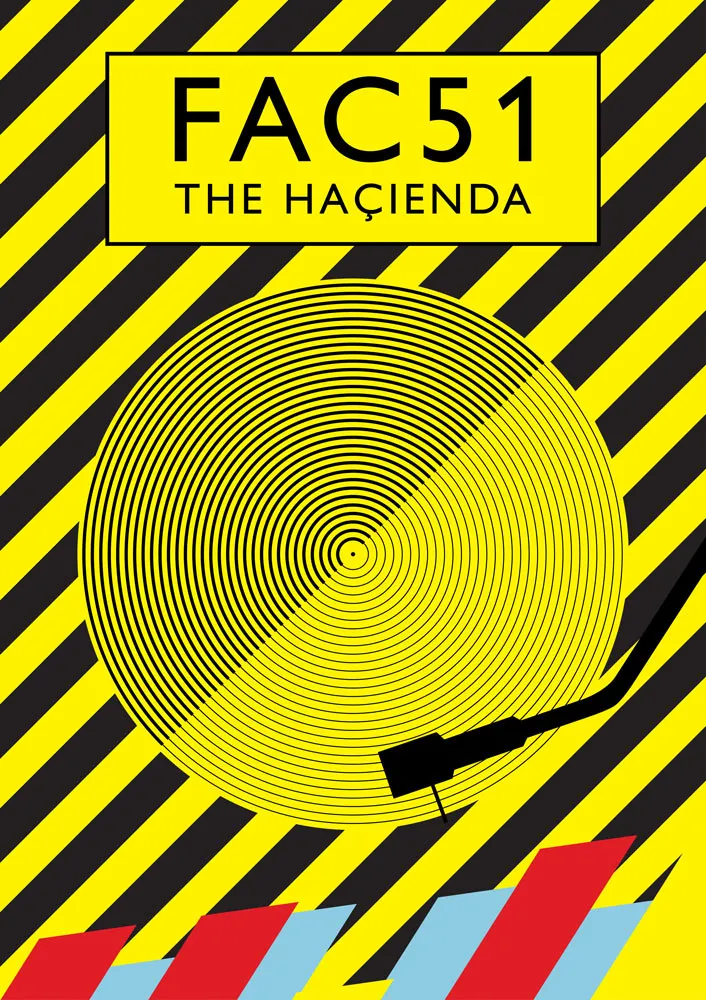 Photo: The Haçienda, via manchesterartprints.com
"People think it's just old paper," says Dave, who's been collecting Manchester gig memorabilia for three decades. "But these programmes are like DNA samples. They show you exactly what was happening in the city on any given night."
The Evolution Written in Print
Look at a 1976 programme from the Free Trade Hall and you'll see something fascinating: support acts listed in tiny print, ticket prices in old pence, and venue rules that seem almost quaint today. "No bottles or cans" was the height of security concerns. Fast-forward to a 1989 Haçienda flyer, and suddenly you're seeing a different Manchester entirely—one where the typography screams rebellion and the very paper stock feels like it's vibrating with acid house energy.
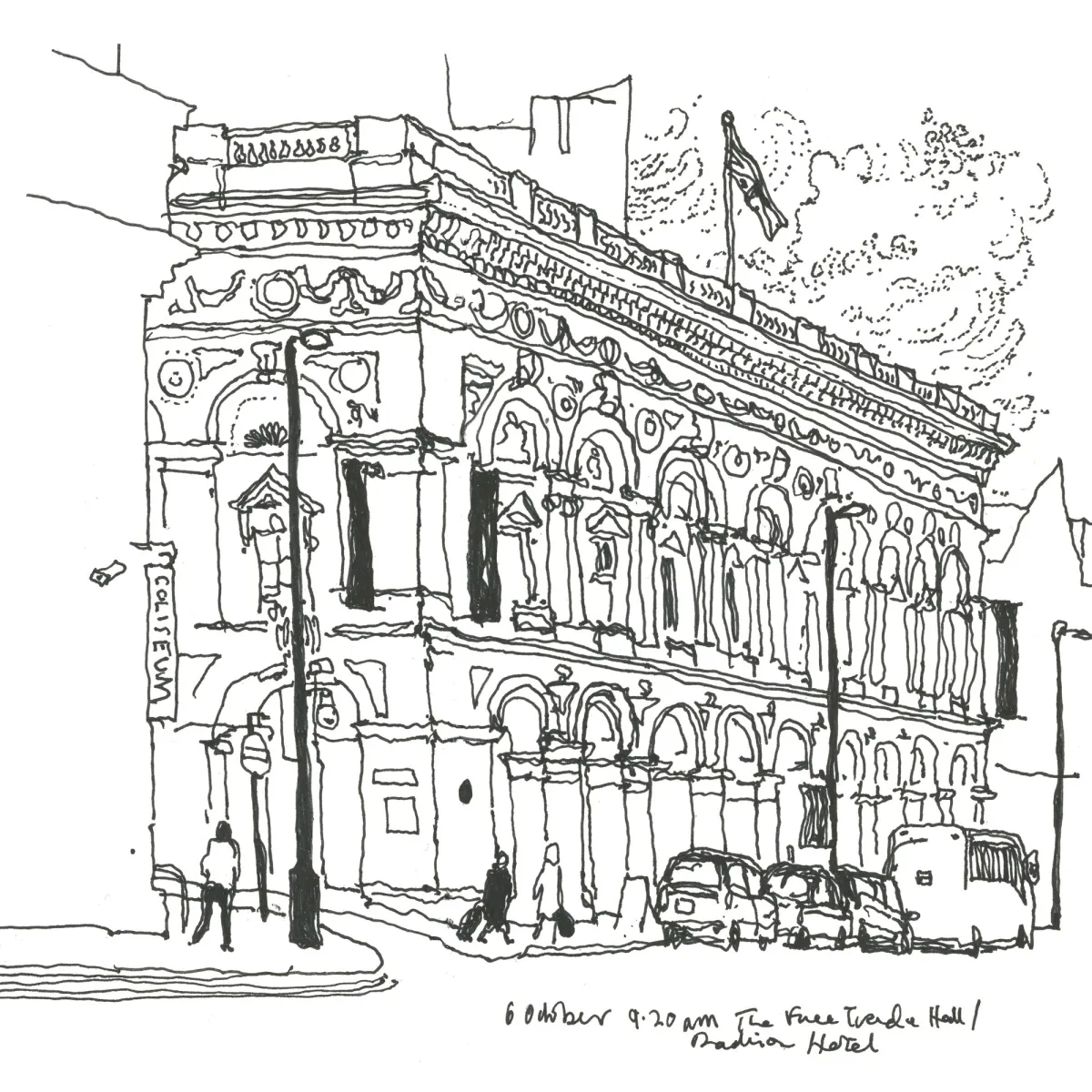 Photo: Free Trade Hall, via manchesterartprints.com
"The programmes tell you about the economics, the culture, even the technology of the time," explains Sarah Chen, who runs the Manchester Music Archive. "A photocopied flyer from 1983 versus a glossy programme from 1995 isn't just about budget—it's about how the entire industry transformed."
The shift is stark when you line them up chronologically. Early punk gigs featured hand-drawn artwork and deliberately amateur aesthetics. By the Madchester era, programmes had become slick marketing tools, complete with band photography and sponsor logos. The digital age brought QR codes and social media handles, but somehow made the physical programmes more precious, not less.
The Collectors' Underground
There's a whole network of collectors trading these paper treasures across Manchester. They meet in pubs, swap stories on Facebook groups, and guard their rarest finds like state secrets. The holy grail? An original programme from Joy Division's final Manchester performance at the University in May 1980.
"I've seen grown men cry over a mint-condition programme from The Smiths at the Ritz," laughs collector Martin Webb. "It's not just nostalgia—these things are historical documents. They prove you were there when history was being made."
The most valuable pieces aren't always from the biggest names. A programme from an early Buzzcocks gig at the Electric Circus can fetch more than one from a massive stadium show, simply because fewer people thought to keep it at the time. Rarity breeds legend, and legend breeds value.
Reading Between the Lines
What these programmes reveal goes far beyond who played when. The advertisements tell stories about Manchester's changing demographics—from indie record shops in the 80s to mobile phone companies in the 2000s. The venue layouts show how crowd dynamics evolved. Even the paper quality reflects the economic realities of different eras.
"You can track gentrification through gig programmes," notes music journalist Lisa Thompson. "When the sponsors change from local guitar shops to multinational brands, when the venues move from rough-and-ready spaces to polished entertainment complexes—it's all there in black and white."
The language evolution is equally telling. Compare the earnest, almost academic tone of early prog rock programmes with the deliberately provocative copy from punk shows, then the hedonistic celebration of Madchester events. Each era had its own voice, and these programmes preserved it perfectly.
The Digital Dilemma
Today's gig-goers might scan a QR code for event information, but they're missing something essential. There's no physical artefact to rediscover years later, no tangible connection to that specific night. Digital tickets disappear into phone archives; programmes lived in bedroom drawers, ready to transport you back with a single glance.
"Kids today don't understand what they're losing," says veteran promoter Tony Richards. "A programme isn't just information—it's a souvenir, a bookmark in your musical journey. You can't frame a PDF."
Yet some venues are fighting back. The Albert Hall still produces beautiful programmes for special events, and several smaller venues have returned to physical flyers as a deliberate act of rebellion against digital dominance. They understand what the collectors know: sometimes the ephemeral becomes eternal.
Preserving the Paper Trail
As Manchester continues to evolve, these programmes become more precious. They're not just collector's items—they're evidence of a city that consistently punched above its weight musically. Every programme represents a night when someone took a chance on live music, when artists and audiences came together in imperfect harmony.
The real magic isn't in the monetary value or the rarity—it's in the stories these scraps of paper tell about a city that never stopped believing in the power of a good tune and a decent crowd. In an age of digital everything, Manchester's gig programmes remind us that sometimes the most important moments deserve to be held in your hands, not just stored in the cloud.
After all, you can't accidentally rediscover a digital memory while clearing out your wardrobe. But a crumpled programme from that life-changing gig? That's a time machine waiting to happen.