The New Tourism
Standing outside what used to be the Haçienda, clutching a faded photograph and looking slightly bewildered by the apartment blocks that now occupy the space, Hiroshi Tanaka has travelled 5,000 miles for this moment. The 34-year-old graphic designer from Osaka isn't here for Manchester's museums or football stadiums – he's here because this city created the music that changed his life.
 Photo: the Haçienda, via manchesterartprints.com
"In Japan, we call it 'seichi junrei' – pilgrimage to sacred places," Hiroshi explains, consulting a hand-drawn map covered in venue names and addresses. "For anime fans, it might be Tokyo. For me, it's Manchester. This is where the music I love was born."
Hiroshi isn't alone. Across Manchester, a quiet tourism revolution is happening as music fans from around the world arrive to experience the city that gave birth to Joy Division, New Order, The Smiths, Oasis, and countless others. They're creating their own unofficial pilgrimage trails, connecting the dots between past and present, sacred and mundane.
The Sacred Geography
The route these musical tourists follow has become surprisingly standardised, passed down through online forums and fan communities like a secret map to enlightenment. It starts, inevitably, in Salford, where fans photograph the terraced houses that graced album covers and the streets that inspired lyrics.
Sarah Mitchell, who runs walking tours for music fans, has watched this phenomenon grow over the past five years. "People arrive with printouts from Google Street View, comparing current reality with thirty-year-old photographs," she observes. "They're not just tourists – they're archaeologists, digging for traces of the bands that soundtracked their youth."
The pilgrimage typically winds through Macclesfield (for Joy Division), across to the Northern Quarter (for record shops and venues), down to the site of the old Haçienda, and inevitably ends up in Burnage or Didsbury, depending on whether you're more Oasis or Smiths inclined. Each stop represents a piece of musical history, a coordinate in the emotional geography of British popular music.
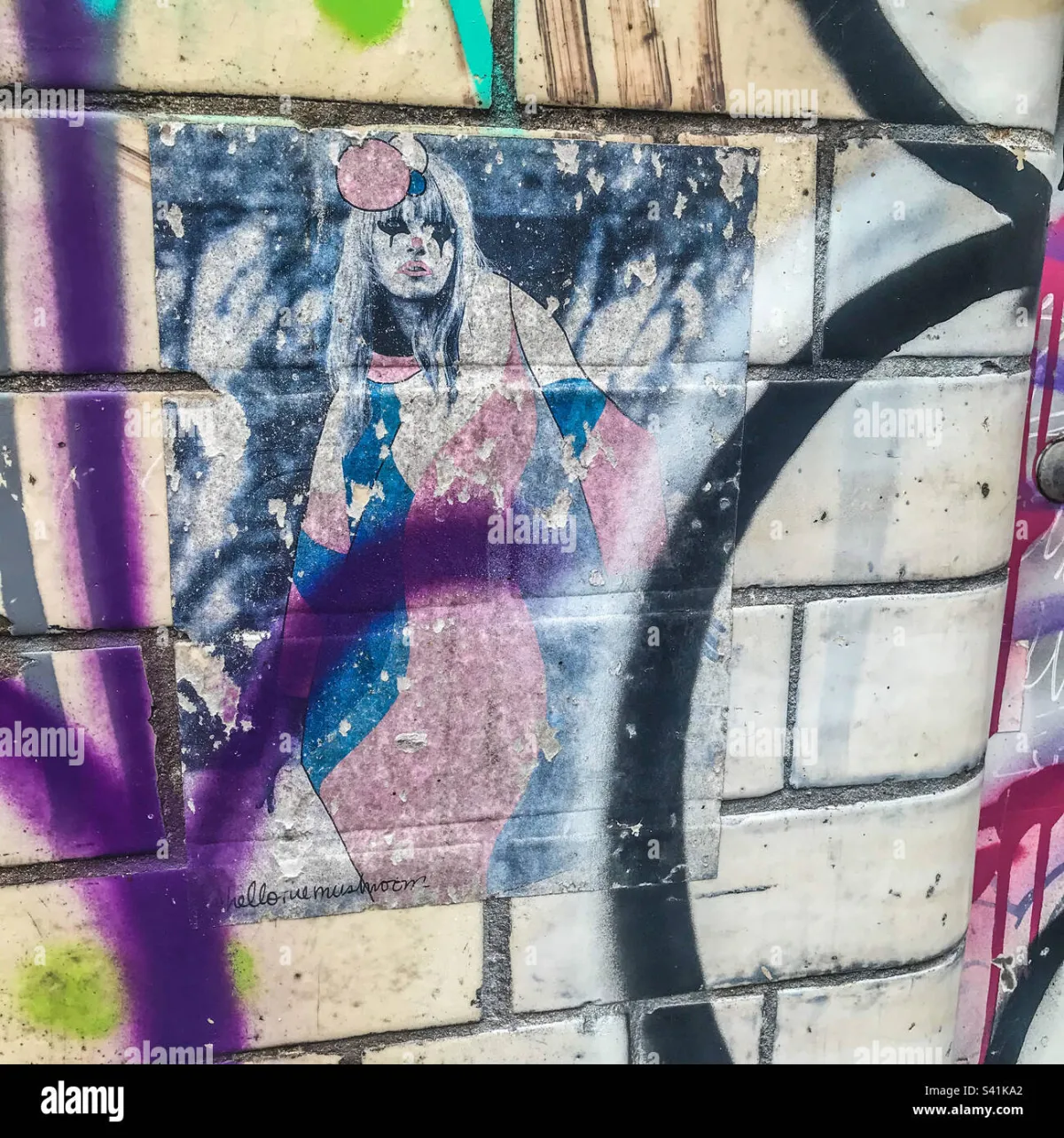 Photo: Northern Quarter, via c8.alamy.com
International Devotion
What's striking about these musical pilgrims is their dedication. Maria Santos flew from São Paulo with her teenage daughter specifically to visit Manchester's musical landmarks. "My daughter thinks I'm crazy," Maria laughs, standing outside the Boardwalk's former location. "But she doesn't understand. This music saved my life in the 1980s. Being here, it's like completing a circle."
The phenomenon isn't limited to older fans reliving their youth. Twenty-something Alex Chen travelled from Vancouver after discovering The Stone Roses through a Spotify algorithm. "I could have just listened to the music at home," he admits, photographing the exterior of what was once the International 2. "But there's something about being in the actual place where it all happened. It makes the music feel more real, more connected to something bigger than just sound waves."
Local Perspectives
For longtime Manchester residents, watching tourists photograph mundane street corners and ordinary pubs can be surreal. "I grew up around here," explains local resident Janet Thompson, watching a group of Italian fans pose outside a Didsbury chip shop featured in a Smiths song. "It's mental seeing people travel thousands of miles to photograph places I walk past every day without thinking."
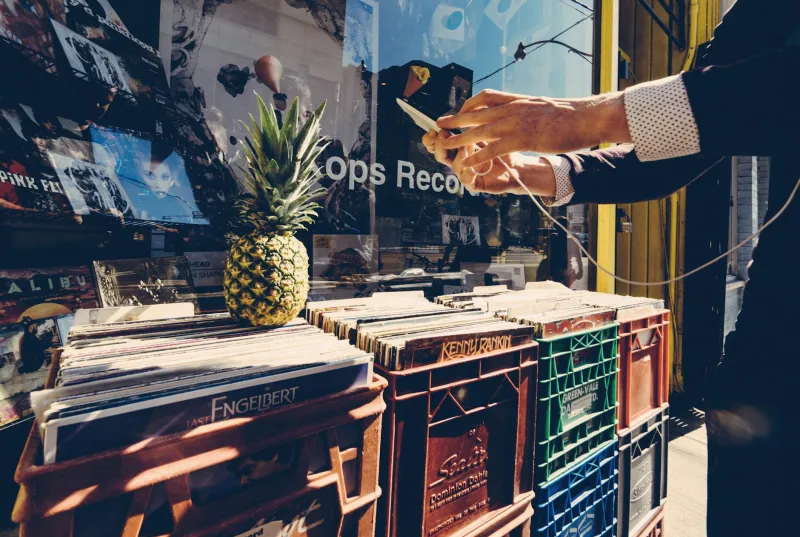
Yet there's also pride in seeing the city's musical heritage recognised and celebrated by visitors who often know more about local music history than many locals do. Record shop owner Pete Williams has watched his Northern Quarter store become an essential stop on the unofficial pilgrimage route.
"These fans don't just buy records – they ask questions about local scenes, about which venues are still active, about where to catch new bands," Pete explains. "They're not just living in the past. They want to understand how Manchester music continues to evolve."
The Living Museum
What sets Manchester apart from other musical pilgrimage destinations is that it's still a functioning music city rather than a preserved museum piece. Venues like Band on the Wall, Night and Day Café, and the Academy continue to host everything from emerging local acts to international touring artists. The pilgrims can experience not just where musical history happened, but where it continues to happen.
This living quality creates unique moments of connection. Japanese tourist Kenji Yamamoto discovered a local band at the Deaf Institute that reminded him why he fell in love with Manchester music in the first place. "I came here for the past," he reflects, "but I'm leaving with music for the future."
Beyond the Obvious
The most dedicated musical tourists venture beyond the obvious landmarks to discover the infrastructure that supported Manchester's musical flowering. They visit the recording studios where classic albums were made, the rehearsal rooms where bands honed their sound, and the independent record labels that first believed in local talent.
Some even seek out the mundane locations that provided inspiration – the dole office that inspired 'Panic', the cemetery that influenced Joy Division's aesthetic, the pubs where band members drank between recording sessions. These fans understand that great music emerges from ordinary life transformed by extraordinary vision.
The Ripple Effect
This musical tourism is having unexpected effects on the city itself. Local businesses have started acknowledging their musical connections, venues are becoming more aware of their historical significance, and there's growing recognition that Manchester's musical heritage is a valuable cultural asset worth preserving and promoting.
"It's made us realise what we have here," reflects city council cultural officer David Porter. "When you see people travelling from the other side of the world to experience our musical history, it makes you appreciate the responsibility we have to keep that legacy alive."
For the pilgrims themselves, the journey often proves transformative in unexpected ways. They arrive seeking connection with their musical heroes but often leave with a deeper appreciation for the city that shaped them. Manchester's musical tourism isn't just about the past – it's about understanding how place and culture interact to create something greater than the sum of their parts.
In a world where music has become increasingly digital and disconnected from geography, these pilgrims are asserting that place still matters, that the streets where your favourite songs were written and the venues where they were first performed retain a special power to move and inspire. They're proving that in an age of virtual everything, the physical journey to musical sacred ground remains profoundly meaningful.