The Tuesday Night Ritual
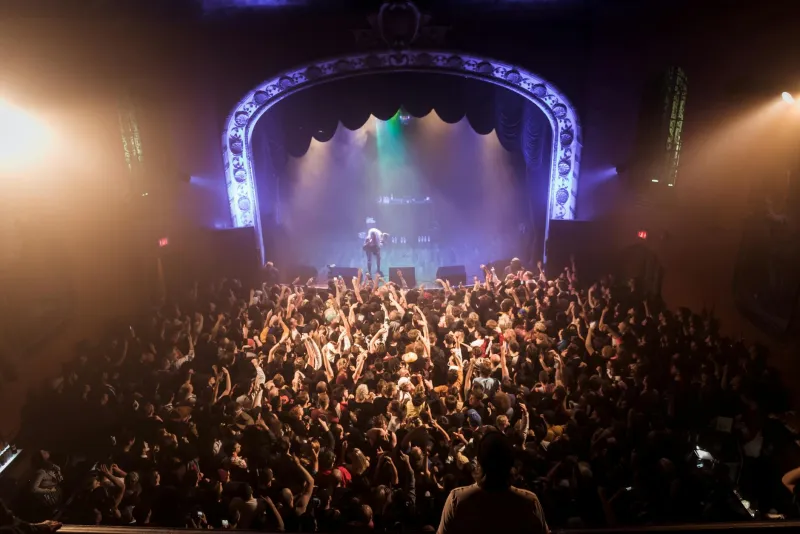
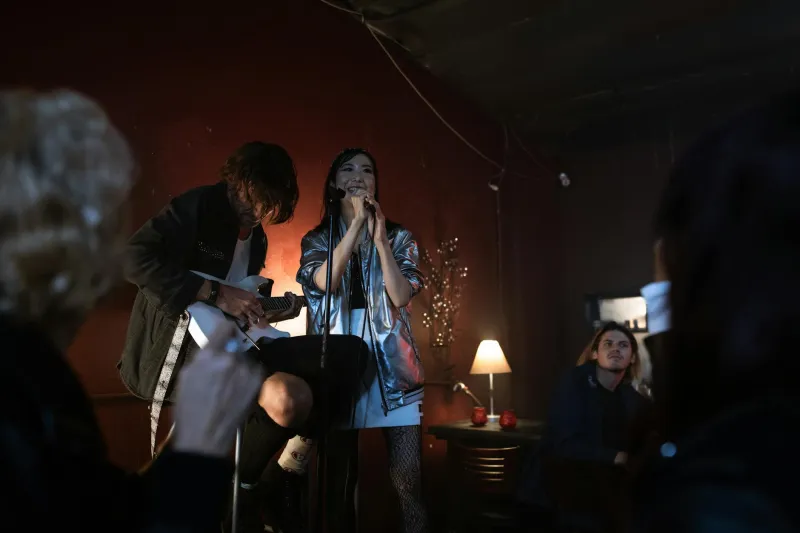
There's something magical about watching someone play their first ever gig. The slight tremor in their voice, the way they grip the microphone stand a bit too tightly, the moment when they realise the room is actually listening. Every Tuesday night at The Cornerhouse in Ancoats, this ritual plays out in front of twenty punters nursing pints and pretending they're not secretly scouting for the next big thing.
"I've seen kids come in here barely able to string three chords together," says Sarah McKenna, who's been hosting open mic nights across Manchester for the better part of a decade. "Six months later, they're headlining at Night & Day Café. It's mental, really."
McKenna's right to be proud. Her Tuesday sessions have launched more careers than most A&R scouts could dream of, and she's not alone. Across Manchester, a network of hosts, venue owners, and sound engineers are quietly nurturing the next generation of musical talent, one nervous three-song set at a time.
More Than Just Karaoke with Guitars
Walk into any proper open mic night in Manchester – and there are dozens scattered across the city – and you'll quickly realise this isn't some casual sing-along. These are serious affairs, run by people who understand the difference between giving someone a platform and giving them a chance.
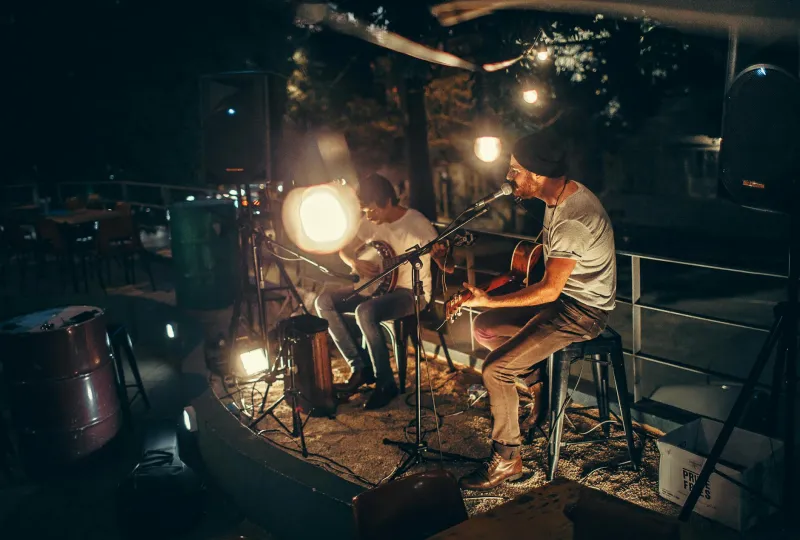
Take The Castle Hotel in the Northern Quarter. Every Wednesday, landlord Jonny Heywood transforms his back room into what he calls "Manchester's smallest concert hall." The PA system cost more than most people's cars, and Heywood personally sound-checks every act. "If someone's going to bomb, it won't be because of dodgy monitors," he grins.
This attention to detail matters. Ask any musician about their first open mic experience, and they'll tell you horror stories about feedback, broken amps, and hosts who treat performers like background noise. Manchester's best nights understand that first impressions count, especially when you're trying to coax someone out of their bedroom and onto a stage.
The Graduation Circuit
What makes Manchester's open mic scene particularly special is how interconnected it all is. Regular performers know they can start their week at The Cornerhouse, hit up The Castle on Wednesday, and finish at Soup Kitchen's Thursday sessions. Each venue has its own vibe – The Cornerhouse attracts singer-songwriters, The Castle leans indie, Soup Kitchen goes electronic – but they all share the same DNA.
"It's like a university course, but for gigging," explains Tom Harrison, a 22-year-old from Didsbury who's been working the circuit for eight months. "You learn something different at each place. How to work a crowd, how to deal with hecklers, how to set up your own gear without looking like a tit."
Harrison's trajectory is typical. He started out playing covers of Arctic Monkeys songs to his mates in his bedroom. Now he's got a monthly residency at Yes (The Pink Room) and a growing following on Spotify. The transformation didn't happen overnight, but it happened consistently, week after week, mic after mic.
The Unsung Heroes
Behind every successful open mic night is someone who genuinely cares about music. These aren't people looking to make a quick buck – most hosts barely break even after paying for sound engineers and equipment maintenance. They do it because they remember what it felt like to need that first stage.
"I started this because I was sick of seeing talent go to waste," says Marcus Webb, who runs the monthly sessions at Gullivers. "Manchester's got this incredible musical heritage, but it doesn't maintain itself. Someone's got to keep feeding the machine."
Webb's approach is typical of the city's best hosts. He keeps detailed notes on every performer, offers constructive feedback, and isn't afraid to challenge acts to push themselves harder. His sessions have a waiting list three months long, and alumni include two bands currently signed to major labels.
Finding Your Stage
For anyone thinking about taking the plunge, Manchester offers more opportunities than most cities twice its size. The key is finding the right fit. Folk singers might gravitate towards the intimate sessions at Katsouris Deli, while electronic artists find their home at the monthly nights at Partisan. Rock acts cut their teeth at Band on the Wall's acoustic sessions, and indie kids flock to the weekly gatherings at The Deaf Institute.
The best advice? Start small, stay consistent, and remember that everyone in the audience was once exactly where you are now. Even Alex Turner had to play his first song to a room of strangers at some point.
The Future Sounds Like This
As streaming services make it easier than ever to record and distribute music, you might think live performance would become less important. The opposite is true. In an age of bedroom producers and laptop musicians, the ability to connect with a real audience in a real room has become more valuable than ever.
Manchester's open mic circuit understands this. These nights aren't just about giving people a chance to play; they're about teaching them how to be performers, how to tell stories, how to turn a room full of strangers into believers. It's a masterclass in the fundamentals of live music, taught by the city that gave the world The Smiths, Oasis, and The Stone Roses.
Every Tuesday night at The Cornerhouse, the next chapter of Manchester's musical story begins with someone stepping up to a microphone for the first time. The rest, as they say, is rock and roll.