Before the Magic: How Manchester's Warm-Up DJs Shape the Night Before You Even Know It
You arrive at Band on the Wall at half seven, pint in hand, chatting with your mates while barely-audible music drifts from the speakers. By the time the headliners take the stage two hours later, you're buzzing, the crowd's electric, and everyone's ready to lose their minds. What changed? The warm-up DJ just pulled off one of music's greatest invisible magic tricks.
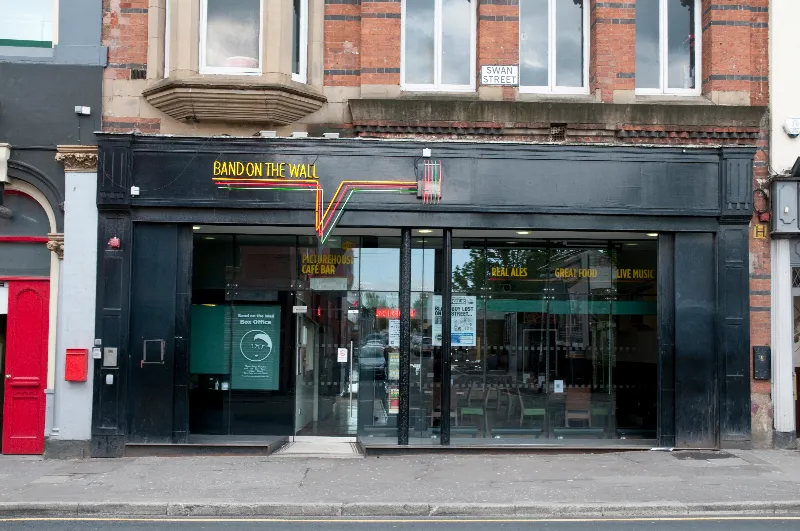 Photo: Band on the Wall, via www.360spin.com
"People think we just press shuffle on Spotify," laughs Jamie Morrison, who's been warming up crowds at Manchester venues for over a decade. "But getting 300 strangers from 'polite evening out' to 'ready to sing their hearts out' is an art form. And when you get it wrong, everyone knows."
The Science of Building Energy
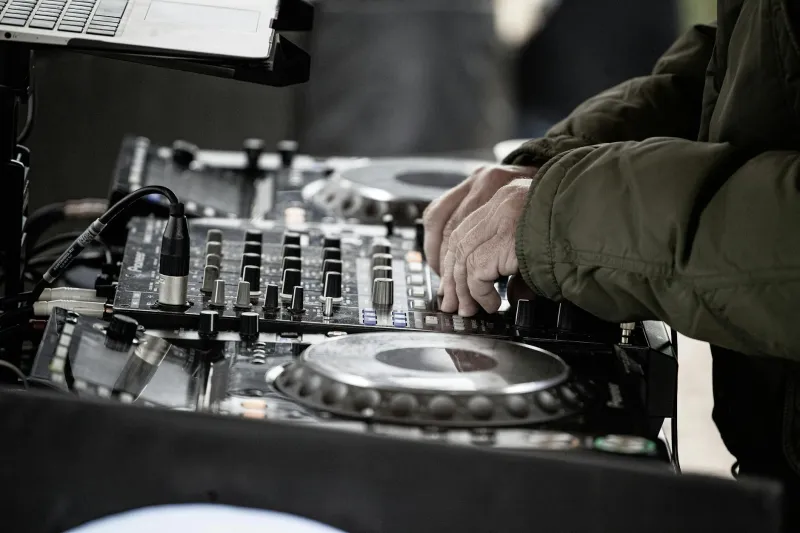
A proper warm-up set is architecture in audio form. Start too heavy and you'll exhaust the crowd before the main event. Too mellow and you'll send them to the bar for another round instead of the front of the stage. The sweet spot requires reading a room that's constantly changing as more punters filter in.
"I watch people's body language religiously," explains Sarah Chen, who handles pre-gig music at several Salford venues. "Are they leaning against walls or moving closer together? Are conversations getting louder or more animated? The music needs to match that energy curve perfectly."
The technical challenges are immense. Unlike club DJs who can build over hours, venue warm-up specialists work within tight constraints. Sound checks interrupt the flow. Venue staff need to communicate over the music. The crowd demographic shifts as different groups arrive. It's like conducting an orchestra where half the musicians keep leaving and new ones keep joining.
When It Goes Right vs When It Goes Wrong
Ask any Manchester gig-goer about their best nights and they'll describe the moment the headliners appeared. But dig deeper and you'll often find the magic started much earlier. That gradual realisation that everyone around you was humming along to the same obscure B-side. The collective "yes!" when a forgotten anthem dropped just as the venue filled up.
"I remember a Courteeners warm-up at the Apollo where the DJ played 'There She Goes' by The La's just as the lights dimmed," recalls regular gig-goer Mark Thompson. "The entire crowd sang every word before the band even appeared. It was like the gig started an hour early."
Conversely, getting it wrong can poison an entire evening. Too many Manchester venues have suffered from lazy playlist choices—generic indie hits that please no one, volume levels that force conversation to stop, or worse, complete silence that makes every cough echo around the room.
"I've seen crowds turn hostile because of poor warm-up music," admits venue manager Lisa Rodriguez. "People arrive excited and leave deflated before the main act even appears. It's heartbreaking because it's completely avoidable."
The Local Knowledge Advantage
Manchester's best warm-up DJs share one crucial trait: they understand their city's musical DNA. They know that certain songs will get specific reactions in specific venues. They understand that a crowd at the Deaf Institute expects different musical conversations than one at the O2 Apollo.
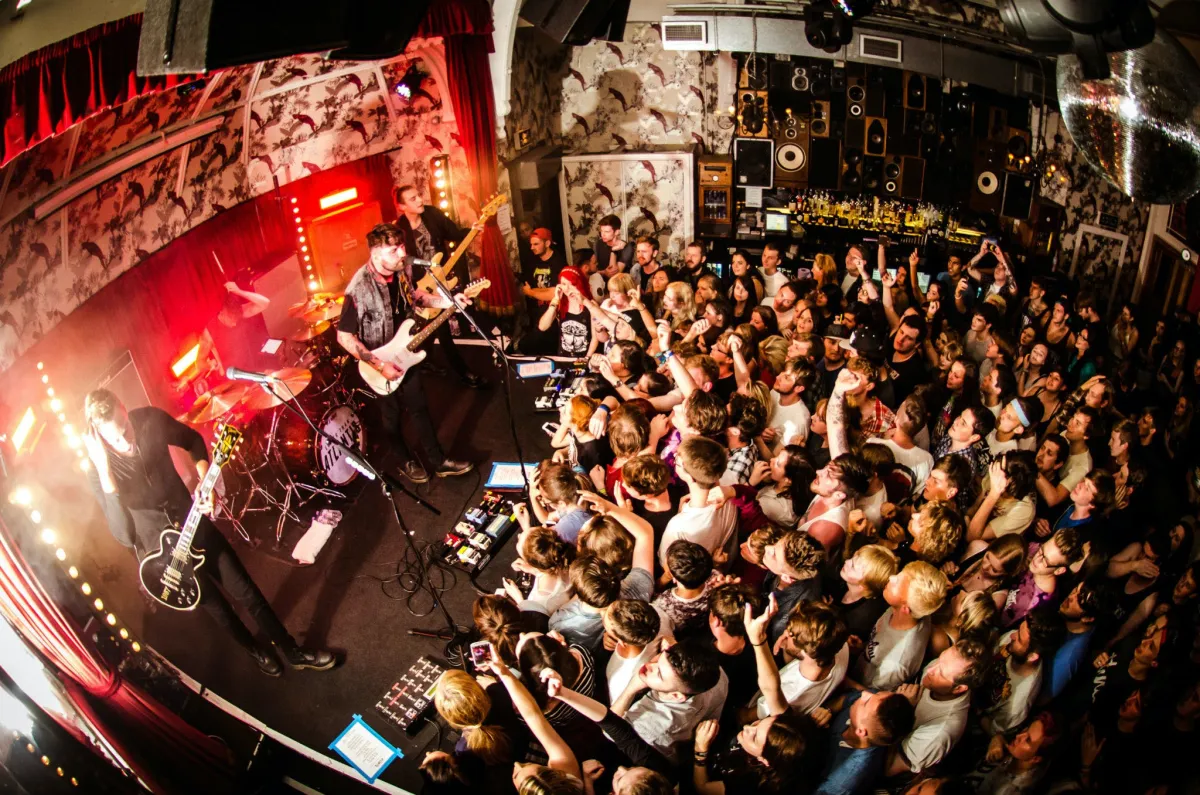 Photo: Deaf Institute, via oxfordroadcorridor.com
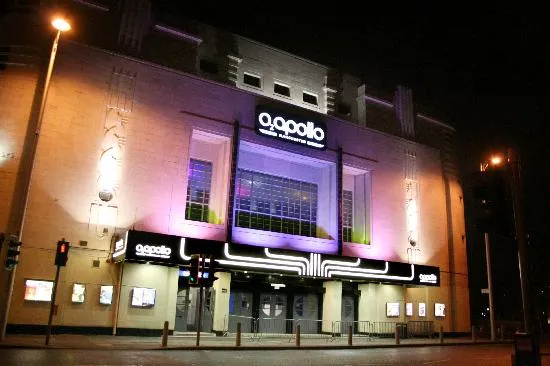 Photo: O2 Apollo, via media-cdn.tripadvisor.com
"You can't warm up a Manchester crowd with London indie or American rock," insists veteran DJ Marcus Williams. "These audiences have been raised on specific sounds, specific rhythms. You need to speak their musical language before you can expand their vocabulary."
This local knowledge extends beyond obvious choices. The best warm-up DJs know which deep cuts will surprise and delight, which forgotten gems will trigger collective memory, and which contemporary tracks will feel like natural extensions of Manchester's musical legacy.
The Streaming Challenge
Modern technology has democratised music access but complicated the warm-up DJ's job. Audiences now arrive with incredibly diverse musical knowledge, making shared reference points harder to find. Simultaneously, streaming algorithms have created echo chambers where people expect music tailored specifically to their tastes.
"Everyone thinks they're a music expert now," observes longtime venue DJ Claire Watson. "They'll Shazam everything and judge your choices in real-time. But they don't understand that warming up 500 people isn't about individual preferences—it's about finding the musical thread that connects everyone."
The solution isn't fighting technology but embracing it intelligently. The best warm-up DJs use streaming data to understand crowd preferences while maintaining the human touch that algorithms can't replicate. They know when to surprise and when to comfort, when to challenge and when to confirm.
Recognition Long Overdue
Despite their crucial role, warm-up DJs remain largely invisible. Venue listings rarely mention them. Reviews focus entirely on main acts. Social media posts ignore the musical foundation that made the entire evening possible.
"We're like good lighting or proper sound systems," reflects Jamie Morrison. "When we do our job well, nobody notices because everything feels natural. But we're absolutely essential to the experience."
Some venues are beginning to recognise this contribution. The Warehouse Project now credits their warm-up DJs prominently. Several smaller Manchester venues have started featuring pre-gig DJ sets as attractions in their own right, understanding that the right musical curator can draw crowds independently.
The Future of Atmosphere
As Manchester's music scene continues evolving, the warm-up DJ's role becomes more, not less, important. In an era of playlist culture and algorithm-driven discovery, human curation offers something irreplaceable: the ability to read a room and respond in real-time.
"Every night is different, every crowd is unique," explains Sarah Chen. "No algorithm can replicate that human instinct for what a specific group of people needs to hear at a specific moment."
The next time you're at a Manchester gig, arriving early and staying late, pay attention to those invisible hands shaping your evening. Notice how the music makes you feel more connected to the strangers around you, more excited about what's coming, more part of something larger than yourself.
That's not accident—that's artistry. And it's about time we started giving credit where credit's due.