The Postcode Lottery of Pop Success
Walk down Oldham Street in the Northern Quarter and you're treading on musical gold. This isn't just romantic nonsense – there's something genuinely peculiar about how certain Manchester postcodes keep churning out signed artists whilst others remain stubbornly silent on the A&R radar.
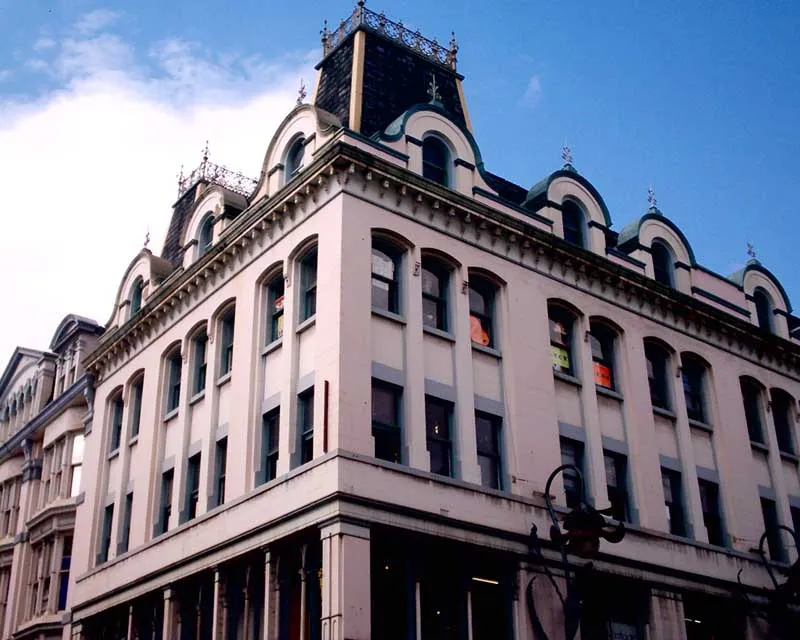 Photo: Oldham Street, via www.e-architect.com
Take M4 – the Northern Quarter's postcode – where the density of record deals per square mile would make even Nashville jealous. From the cramped rehearsal rooms above Night & Day Cafe to the converted warehouses that house tomorrow's headliners, this patch of Manchester has become a conveyor belt for talent scouts.
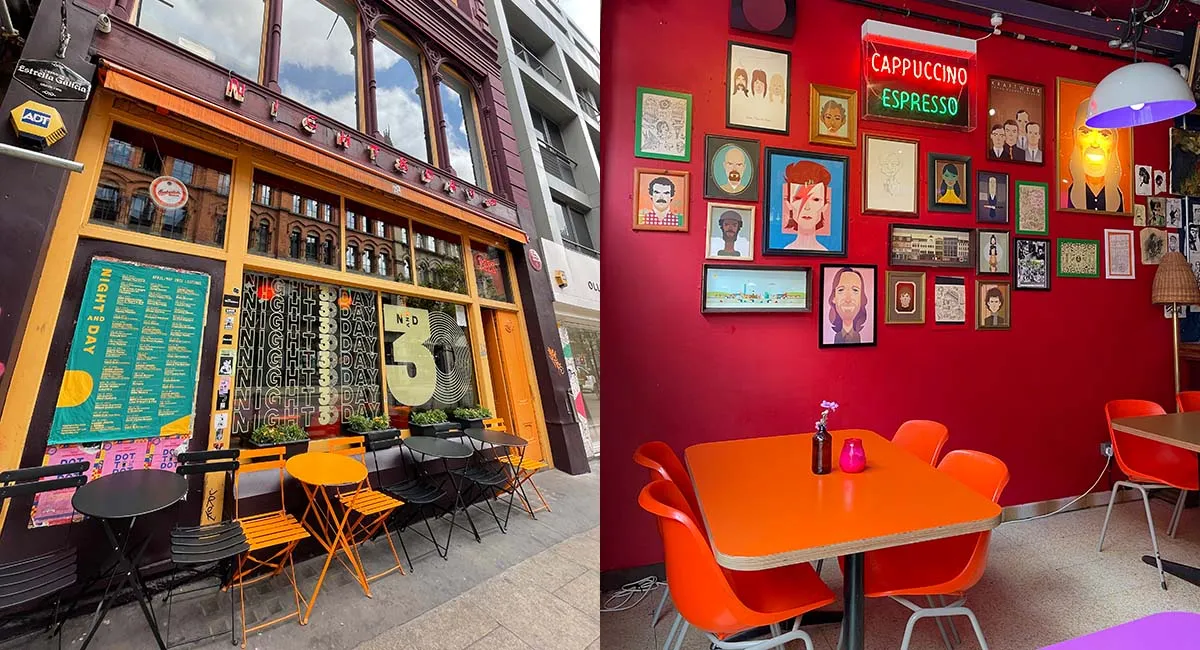 Photo: Night & Day Cafe, via clementacoustics.co.uk
"I've signed more artists from M4 than anywhere else in the country," admits Sarah Chen, A&R manager at Independent Records. "There's something about that area – maybe it's the concentration of venues, maybe it's the affordable practice spaces, or maybe it's just that creative types attract other creative types."
Where Lightning Strikes Twice
But the Northern Quarter isn't the only postcode with form. Chorlton's M21 has quietly produced an impressive roster of indie darlings, whilst Withington's M20 seems to specialise in electronic acts that somehow always find their way onto BBC Radio 6 Music playlists.
Local manager Pete Harrison has spent fifteen years working with Manchester artists and reckons he can predict where the next breakthrough will come from just by watching rental prices. "When students and young creatives get priced out of one area, they move to the next cheapest postcode with decent transport links. Six months later, that's where all the interesting music starts happening."
This migration pattern has seen musical hotspots shift from Hulme in the '90s to Ancoats in the 2000s, and now towards areas like Levenshulme and Gorton. Each wave brings its own sound – shaped by the venues, the rent prices, and the communities that form around them.
The Venue Ecosystem Effect
Geography matters because venues cluster. Where one live music pub survives, others follow. Where rehearsal studios set up shop, record shops and instrument dealers aren't far behind. Before you know it, you've got a micro-ecosystem that nurtures talent from first chord to first contract.
"It's not just about having somewhere to play," explains Emma Rodriguez, who manages three bands from the Ancoats area. "It's about having somewhere to practice, somewhere to meet other musicians, somewhere to buy strings at midnight when you break one before a gig. That infrastructure doesn't exist everywhere."
The M4 postcode boasts the highest concentration of music venues per capita in Manchester, but it's the symbiotic relationship between these spaces that creates the magic. Band A rehearses above the pub where Band B plays every Thursday, and both bands shop at the same second-hand gear store where Band C's guitarist works part-time.
Digital Disruption vs Physical Community
But does any of this matter in an age when bedroom producers can upload tracks to Spotify from anywhere? The streaming revolution was supposed to level the playing field, making geography irrelevant for musical success.
"Bollocks," says Tommy Walsh, a local promoter who's been putting on gigs since before MySpace existed. "You can't stream your way to stage presence. You can't download chemistry between band members. You still need to be around other musicians to learn your craft properly."
The statistics seem to back him up. Despite the democratising effect of digital platforms, major labels still sign a disproportionate number of artists from established music cities. Manchester punches well above its weight, but within the city itself, certain postcodes continue to dominate.
The Ancoats Advantage
Ancoats deserves special mention as Manchester's newest musical hotbed. The area's industrial heritage provided cheap warehouse spaces perfect for conversion into studios and venues. Unlike the Northern Quarter's cramped Victorian buildings, Ancoats offered room to breathe – and room for louder music.
"The sound insulation is better, the ceilings are higher, and you can actually get a drum kit up the stairs," laughs Jamie Foster, whose band signed to a major label after three years of grinding in an Ancoats rehearsal room. "Plus, the rent was half what we'd pay in the city centre."
The area's transformation from post-industrial wasteland to creative quarter happened organically, driven by musicians seeking affordable space rather than any grand urban planning vision. Now, with luxury flats sprouting everywhere, the cycle is starting again as artists get priced out towards the next frontier.
Beyond the Boundaries
Interestingly, some of Manchester's most successful musical exports have emerged from the suburbs rather than the obvious creative quarters. Stockport, technically outside Manchester proper, has produced an impressive array of indie bands. Meanwhile, areas like Prestwich and Bury – hardly fashionable postcodes – keep surprising A&R scouts with their output.
"Sometimes the best music comes from places where there's nothing else to do," suggests music journalist Dave Haslam. "When you're stuck in a suburban bedroom with just a guitar and your imagination, you might just create something extraordinary."
The Future Map
So where will Manchester's next musical postcode emerge? Smart money is on areas with decent transport links, affordable rent, and existing creative communities. Levenshulme ticks all these boxes and has already started attracting musicians priced out of trendier areas.
Gorton, too, shows promising signs – industrial units perfect for conversion, a growing arts scene, and that crucial combination of grittiness and optimism that seems to fuel great music.
As Sarah Chen puts it: "I follow the musicians, not the postcodes. But the musicians always seem to end up in the same types of places – areas on the edge of transformation, where there's space to make noise and rent money left over for instruments."
The geography of genius might be shifting, but it's far from dead. In Manchester, your postcode still matters – it's just that the golden postcodes keep moving around the city like musical chairs. The trick is spotting where the music will land next.