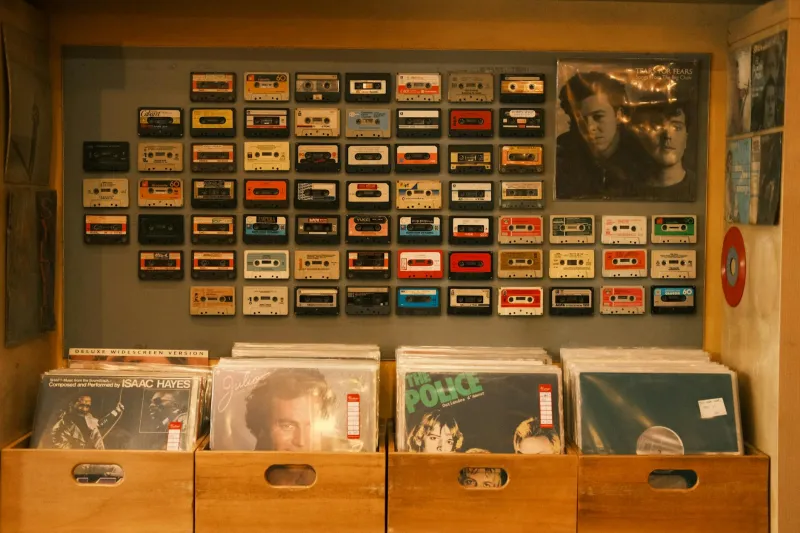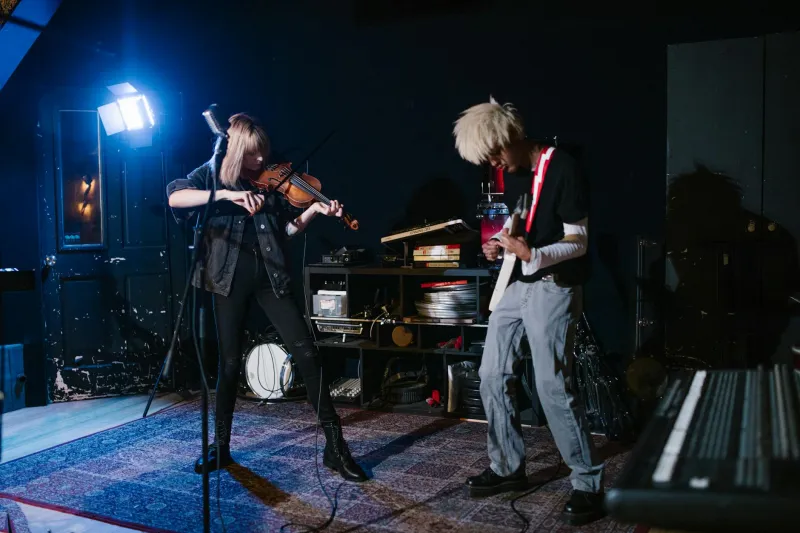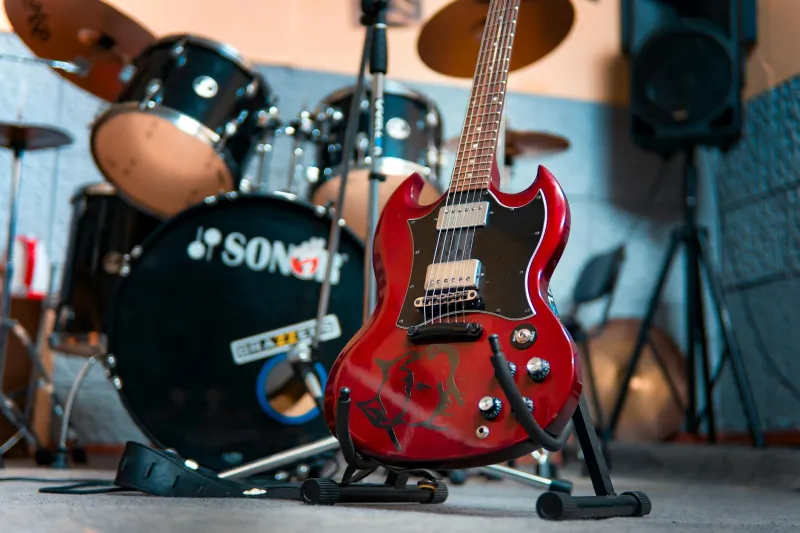
The paint's peeling, the carpet's seen better decades, and the smell of stale cigarettes mingles with fresh amplifier warmth. Welcome to Soundworks Studios in Ancoats, where three-quarters of Manchester's breakthrough acts have bashed out their early material in rooms that wouldn't win any interior design awards but have hosted more musical magic than most concert halls.
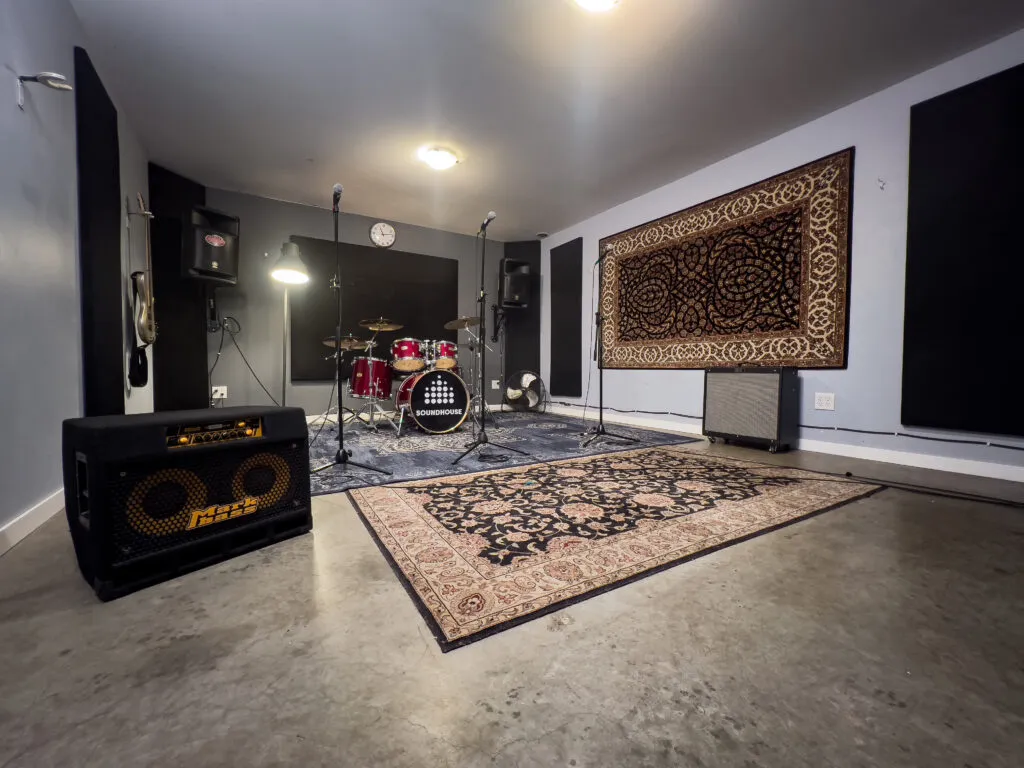 Photo: Soundworks Studios, via www.soundhousestudios.com
"It's not glamorous," admits studio owner Pete Hartley, gesturing at the maze of cramped rooms that snake through a converted Victorian mill. "But glamour doesn't write songs. Bands need somewhere they can be loud, be terrible, and slowly get better without anyone judging them."
This is Manchester's hidden musical infrastructure—the rehearsal room network that turns bedroom noodling into stage-ready performances, where bands discover their identity away from public scrutiny.
The Ecosystem Behind the Scenes
Every major Manchester success story shares the same unglamorous beginning: months of grinding away in rented rooms, splitting the cost between skint band members, gradually transforming chaos into coherence. The Courteeners honed their anthemic sound at Depot Studios. Arctic Monkeys refined their early material in Sheffield rehearsal rooms before conquering Manchester stages. Even Oasis spent countless hours in practice rooms, turning Noel's bedroom compositions into stadium-ready experiences.
"People see the finished product and assume it emerged fully formed," explains musician and producer Sarah Mitchell, whose band spent two years developing their sound at various Manchester rehearsal facilities. "But there's this whole invisible stage where you're working out arrangements, testing dynamics, learning how to play together rather than just alongside each other."
The economics are brutal but essential. At £10-15 per hour split four ways, rehearsal rooms offer the cheapest access to proper amplification and acoustics. For working-class musicians, these spaces provide opportunities that home practice simply can't match—the chance to hear how songs actually sound at performance volume, to understand how instruments interact in real acoustic space.
The Architecture of Creativity
Manchester's rehearsal rooms occupy the city's forgotten spaces. Former textile factories, abandoned warehouses, basement levels of office buildings—anywhere with thick walls and tolerant neighbours. The aesthetic is universally grim: harsh lighting, mismatched equipment, walls covered in decades of band stickers creating accidental art installations.
"The ugliness is almost helpful," observes longtime venue manager Tony Richards. "There's no pretension, no distraction. You're there for one reason—to make music. Everything else falls away."
The rooms themselves shape the music created within them. Low ceilings favour intimate arrangements over bombastic productions. Poor acoustics force bands to focus on tight playing rather than atmospheric effects. Equipment limitations encourage creativity—when you can't afford the perfect sound, you find interesting alternatives.
Many Manchester bands describe their rehearsal room as their second home, the place where musical partnerships deepened into genuine friendships. The shared experience of grinding through difficult passages, of slowly watching songs improve week by week, creates bonds that survive industry pressures and commercial disappointments.
The Gear-Sharing Economy
Rehearsal rooms operate on an informal economy of borrowed equipment and shared resources. Drum kits stay permanently set up because they're too heavy to move. Amplifiers get passed between bands like library books. Guitar leads and microphones disappear and reappear with mysterious regularity.
"There's this unspoken community," explains drummer Jake Wilson, whose band has been regular clients at three different Manchester rehearsal facilities. "You help each other load gear, you recommend rooms to mates, you lend strings when someone breaks one mid-session. It's not just about the space—it's about being part of something."
This sharing extends to knowledge and experience. Veteran bands mentor newcomers, passing on everything from technical tips to industry contacts. Rehearsal rooms become informal networking hubs where musical collaborations begin and industry connections develop organically.
The social aspect proves as valuable as the musical one. In an increasingly digital world, rehearsal rooms offer genuine human interaction around shared passion. Band members who might never socialise otherwise develop deep friendships through shared creative struggle.
The Development Threat
But Manchester's rehearsal room ecosystem faces existential pressure. Property development has claimed several longtime facilities, replacing musical creativity with luxury apartments or corporate offices. Rising rents force studios to increase prices, pushing younger bands toward less suitable alternatives.
"We've lost about 40% of our rehearsal space capacity in the last five years," estimates musician advocacy group representative Claire Watson. "Every closure means fewer opportunities for new bands to develop properly. You can't create Manchester's next musical breakthrough in your bedroom."
The threat extends beyond simple economics. Modern developments prioritise noise control and residential comfort over industrial tolerance. New buildings can't accommodate the volume levels that musical development requires. Manchester risks losing the infrastructure that made its musical reputation possible.
Some venues fight back creatively. Depot Studios converted additional warehouse space specifically for rehearsals. Several facilities offer off-peak discounts to support emerging artists. But individual solutions can't address the systemic pressure threatening the entire network.
Digital Alternatives and Physical Necessity
Home recording technology and digital collaboration tools offer tempting alternatives to physical rehearsal spaces. Bands can now create impressive demos without leaving bedrooms. Video calls enable remote songwriting sessions. Social media provides direct access to audiences without traditional industry gatekeepers.
Yet experienced musicians insist physical rehearsal remains irreplaceable. "You can't replicate the energy of playing together in the same room," argues bassist Maria Santos. "The way sound bounces off walls, the way you respond to each other's physical presence—that's where the magic happens. Digital tools are useful, but they're supplements, not replacements."
The physical limitations of rehearsal rooms—volume restrictions, time constraints, equipment quirks—often spark creative solutions that become signature elements. Many classic Manchester sounds emerged from working around technical limitations rather than despite them.
The Future of Musical Development
As Manchester's music scene continues evolving, rehearsal rooms remain the crucial bridge between bedroom experimentation and stage performance. They provide the unsexy but essential infrastructure where musical ambitions transform into professional reality.
"Every city that matters musically has this network," reflects Pete Hartley, watching another young band load equipment into Soundworks' battered lift. "London has it, Liverpool has it, Manchester definitely has it. But you have to protect it, because once it's gone, it's nearly impossible to rebuild."
The next time you're watching a breakthrough Manchester band command a festival stage, remember the months of grinding work that made that moment possible. Somewhere in the city, in rooms that look more like storage units than creative spaces, tomorrow's headliners are discovering their sound, one loud, imperfect rehearsal at a time.
That's not just Manchester's musical future taking shape—that's the sound of a city that refuses to let its creative spirit be priced out of existence.