The Sting of Almost
There's a special kind of heartbreak that only comes from missing a legendary gig. Not the gentle disappointment of a cancelled show or the mild annoyance of a support act you didn't fancy – no, this is the gut-punch of knowing you could have been there, should have been there, but somehow weren't.
Every Manchester music fan carries these wounds. The Stone Roses at Spike Island might be the city's most famous missed opportunity, but scratch beneath the surface and you'll find thousands of personal tales of ticket trauma, queue disasters, and the gigs that became legends precisely because so few people actually saw them.
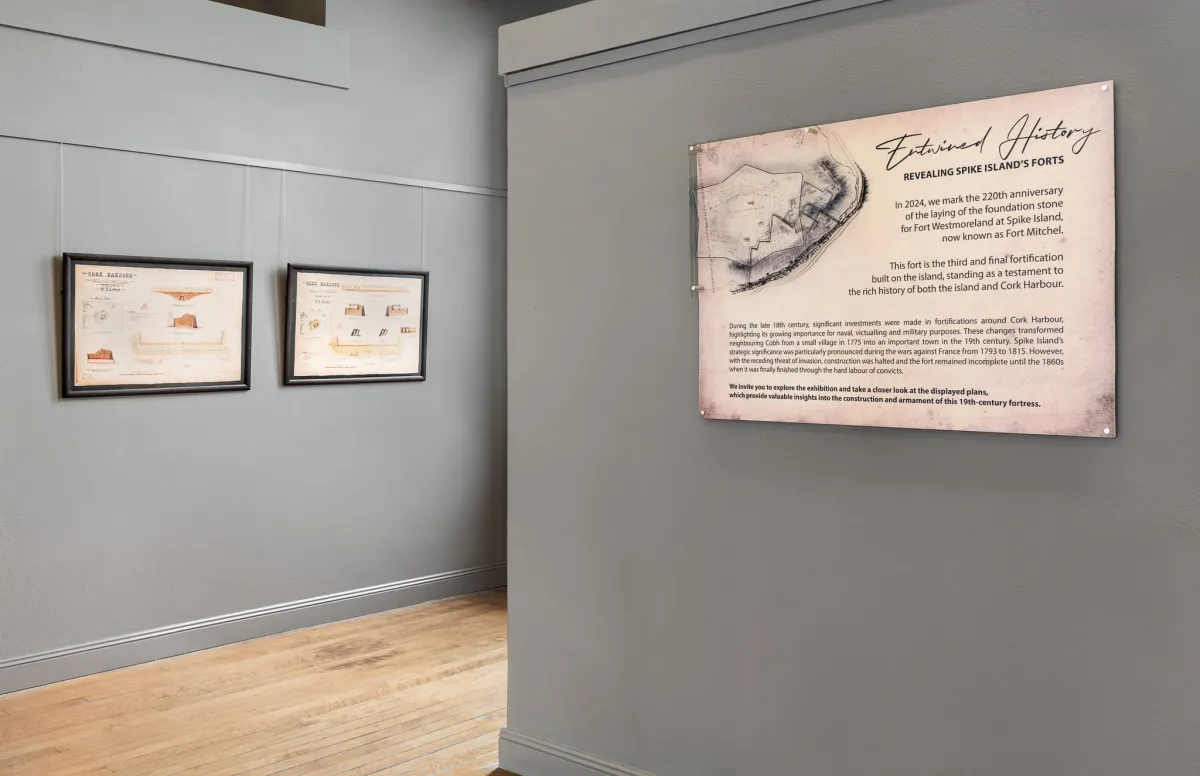 Photo: Spike Island, via www.spikeislandcork.ie
"I still have nightmares about refreshing the Academy website at 9am," confesses Lisa McKenna, a 34-year-old graphic designer from Chorlton. "Arctic Monkeys, 2005, their first proper Manchester show after they'd blown up. Sold out in literally three minutes. Three bloody minutes! I'd been following them since they were playing to about fifteen people at the Leadmill in Sheffield."
Lisa's story is heartbreakingly common. The cruel irony of discovering a band early, championing them to anyone who'll listen, then watching helplessly as your reward is being priced out of their success.
The Touts Always Win
Nothing quite captures the brutality of Manchester's gig economy like the sight of touts outside a sold-out venue, casually flogging tickets for ten times face value to fans who've been queueing since dawn. The mathematics of desperation never favoured the genuine music lover.
"I saw a lad pay £300 for a £25 Oasis ticket outside the Ritz in 1994," remembers Tony Gallagher (no relation), a longtime Manchester gig-goer who's witnessed decades of ticket carnage. "His mates were taking the piss, calling him mental, but he just shrugged and said 'You'll understand when you're inside and I'm not.' Fair play to him, really."
The pre-internet era had its own particular cruelties. No online queues or digital disappointment – just the physical humiliation of standing outside Virgin Megastore at 6am, only to watch the 'SOLD OUT' signs go up while you're still twenty people from the front.
These days, bots and algorithms have replaced human touts, but the outcome remains the same. Genuine fans get gazumped by technology designed to extract maximum profit from their passion.
Age Against the Machine
Perhaps no disappointment cuts deeper than being too young for the gig of a lifetime. Manchester's music scene has always skewed young, but venue age restrictions created a cruel lottery where birth dates determined access to history in the making.
"Joy Division at the Factory, May 1980," says 58-year-old Dave Thornton, still bitter after all these years. "I was 16, looked about 12, and there was absolutely no way I was getting past the door. Watched all the older kids from school going in while I stood outside like a proper mug. Six weeks later, Ian Curtis was dead. That was it – no second chances."
The 18+ restriction at many venues meant countless teenagers missed formative gigs by artists who'd either split up, sold out, or died before they reached legal drinking age. For every lucky 17-year-old who successfully blagged their way past security, dozens more were left outside, faces pressed against rain-soaked windows.
"The worst part wasn't missing the gig," explains Sarah Winters, who was turned away from a Smiths show at the Hacienda in 1984. "It was having to pretend you'd been there when everyone talked about it at school on Monday. The FOMO was unbearable."
 Photo: The Hacienda, via i.pinimg.com
Queue Chaos and Crushing Defeats
Before online ticket sales, queuing was an art form. Hardcore fans would camp outside record shops overnight, armed with sleeping bags, flasks of tea, and the kind of dedication that makes modern festival-goers look casual.
But queues could be cruel mistresses. Stories abound of fans who queued for hours only to be defeated by poor organisation, technical failures, or simple bad luck.
"Happy Mondays at International 2, 1989," recalls Mark Stevens, shaking his head at the memory. "Queued from midnight, absolutely freezing, chatting to proper sound people all night about music. Got to the front at 9am when the box office opened, and they'd only been allocated twenty tickets. Twenty! For a 400-capacity venue! Turns out the record label had taken most of them for industry types who probably didn't even want to be there."
The randomness was perhaps the cruelest aspect. You could do everything right – queue early, bring exact change, know exactly which tickets you wanted – and still get screwed by circumstances beyond your control.
The Legend of the Empty Seats
Paradoxically, some of Manchester's most mythologised gigs were the ones where genuine fans couldn't get tickets, leaving venues half-empty with industry freeloaders and guest list vultures. The disconnect between who wanted to be there and who actually was there created a particular kind of musical injustice.
"I've been to gigs where half the audience was checking their phones or having conversations during the set," says longtime music photographer Jenny Walsh. "Meanwhile, outside, there'd be kids who knew every B-side and bootleg pressing their faces against the glass. The wrong people were always in the room."
This phenomenon reached its peak during Manchester's mid-2000s revival, when every A&R scout in London descended on the city, hoovering up tickets to shows they'd rather not attend while local fans got locked out of their own scene.
Digital Disappointment
The internet was supposed to democratise ticket sales, but it just created new forms of heartbreak. The spinning wheel of an overloaded website became the modern equivalent of the 'SOLD OUT' sign, while error messages replaced the crushing finality of an empty till.
"At least when you queued physically, you could see what was happening," argues longtime gig-goer Pete Hartley. "Online, you're just staring at a screen, not knowing if you're first in line or ten-thousandth. The uncertainty is torture."
The rise of dynamic pricing and VIP packages has added insult to injury. Fans who've supported bands from the beginning find themselves priced out of gigs in favour of casual punters with deeper pockets.
Badge of Honour
Yet somehow, these missed opportunities have become their own kind of currency in Manchester's music community. The gigs you didn't see can be almost as important as the ones you did, creating shared experiences of disappointment that bond fans together.
"We all know someone who was 'definitely going to buy tickets tomorrow' for that legendary show," laughs music journalist Emma Clarke. "The near-misses become part of your musical identity. They prove you were paying attention, even if you weren't in the room."
Perhaps that's the real legacy of Manchester's sold-out shows – not just the lucky few who were there, but the thousands who desperately wanted to be. Their disappointment is proof of the city's musical magnetism, evidence that something special was happening even if you couldn't quite get close enough to touch it.
After all, the best gigs are always the ones you couldn't get into.