The Tuesday Night That Changed Everything
Picture this: a damp Tuesday evening in February 1994, The Boardwalk, maybe thirty people scattered around tables nursing warm lager. On stage, five lads from Burnage are running through songs nobody's heard before. The bassist looks nervous. The singer seems almost bored. The guitarist won't stop checking his effects pedals.
That was Oasis, three months before 'Live Forever' changed British music. Most people who claim they were there are lying – but the few who actually showed up witnessed something extraordinary without realising it.
When Legends Played to Landlords
"The first time I saw The Smiths, there were maybe fifteen people in the room," recalls Dave Morton, who stumbled into a 1982 gig at The Ritz almost by accident. "Morrissey was doing all his moves, all that dramatic stuff, but to basically an empty venue. It was surreal but somehow more powerful because of it."
These intimate early performances weren't just stepping stones to bigger things – they were often the purest expression of what these bands would become. Without the pressure of expectations or the weight of reputation, artists could experiment, fail, and discover themselves in front of audiences small enough to count on two hands.
The Haçienda's Secret Sundays
Before it became the epicentre of Madchester, The Haçienda hosted some of the most sparsely attended gigs in Manchester's history. New Order would occasionally play to rooms that felt more like private rehearsals than public performances.
"Sunday night gigs at The Haçienda were like being let into a secret," remembers Sarah Phillips, a regular from those early days. "You'd have this massive venue with maybe forty people, watching bands who would later fill stadiums. It felt like you were part of something special, even though nobody knew what that something was yet."
The Pub Circuit Prophets
Manchester's pub venues tell the real stories of musical development. The Band on the Wall, Night & Day Café, The Castle – these spaces hosted countless 'career-defining' gigs to audiences that could fit in a minibus.
Joy Division's early performances at places like The Electric Circus often drew smaller crowds than a typical Thursday night quiz. Ian Curtis would pour his soul into performances for people who'd wandered in for a quiet pint and found themselves witnessing the birth of post-punk intensity.
The Believers Who Showed Up
What drove people to these early gigs? Often it was pure chance – friends of friends, curious locals, or music obsessives willing to take a punt on unknown names. These accidental audiences became the first believers, spreading word-of-mouth recommendations that would eventually build legends.
"I saw Happy Mondays at The Venue in New Mills, probably 1985," says Tony Richardson, a Manchester music veteran. "There were maybe twenty people there, but Shaun Ryder was already doing his thing, completely mental and completely magnetic. You knew something was happening, even if you couldn't name what it was."
The Intimacy Advantage
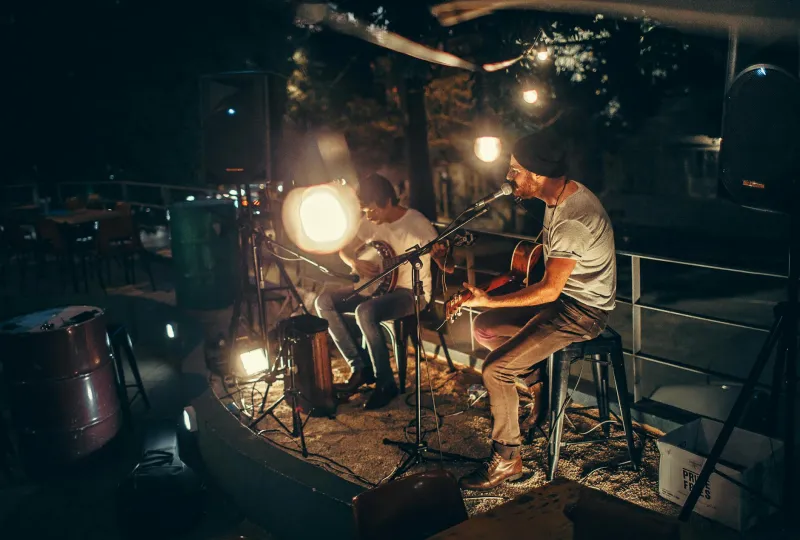
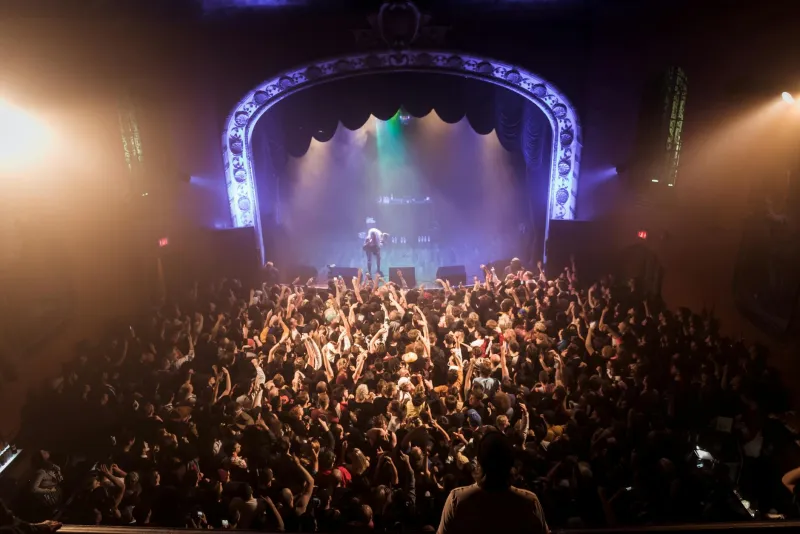
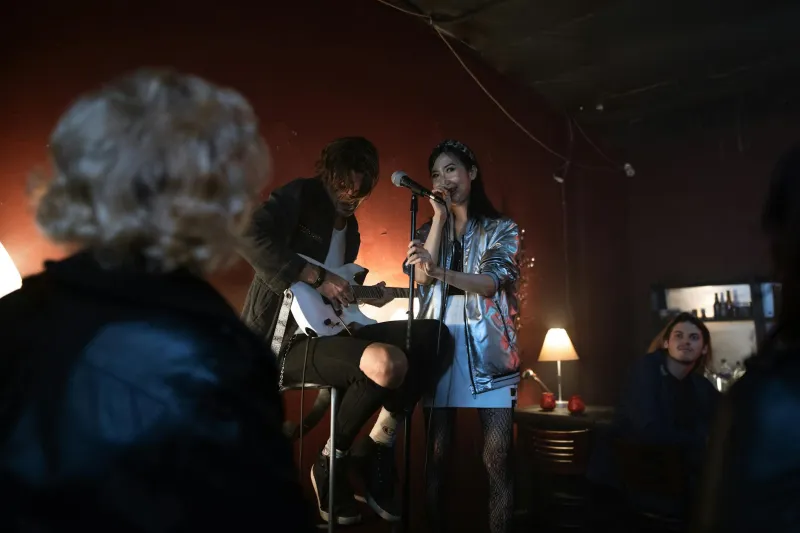
These small-venue performances offered something that stadium shows never could: genuine connection between artist and audience. Bands could try new songs, interact directly with listeners, and develop their stage presence without the pressure of massive expectations.
Many Manchester artists speak fondly of these early gigs as career highlights. The immediate feedback, the ability to see every face in the audience, the sense that everyone present was part of something exclusive – these elements shaped how bands approached performance throughout their careers.
The Venue Owner's Gamble
Behind every legendary early gig was a venue owner taking a financial risk. Booking unknown bands meant potential losses, but also the possibility of being part of music history.
"We lost money on most gigs in the early days," admits former Night & Day Café booker Mike Stevens. "But occasionally you'd book a band for £50 who'd be charging £5000 six months later. Those moments made all the empty rooms worthwhile."
The Documentation Dilemma
Most of these career-launching performances exist only in memory. Before smartphones and social media, gigs went undocumented unless someone specifically brought a camera. This creates a mythology around early performances – everyone remembers them slightly differently, adding to their legendary status.
The few photographs and bootleg recordings that survive from these intimate gigs feel precious precisely because they're rare. They capture artists in their most vulnerable and authentic moments, before fame and expectation changed everything.
The Modern Echo
Today's Manchester venues continue this tradition, hosting early performances by artists who might become tomorrow's headliners. The difference is awareness – venue owners, audiences, and artists all understand they might be witnessing something significant.
But the magic remains the same: that electric moment when talent meets opportunity in a half-empty room, creating memories that feel more precious because they were shared by so few.
Why We Keep Coming Back
These stories of empty rooms and future legends remind us why live music matters. They celebrate the act of showing up, of supporting unknown artists, of being present for moments that might become history. Every Tuesday night gig could be the one that changes everything – you just have to be there to find out.