The Unwritten Contract
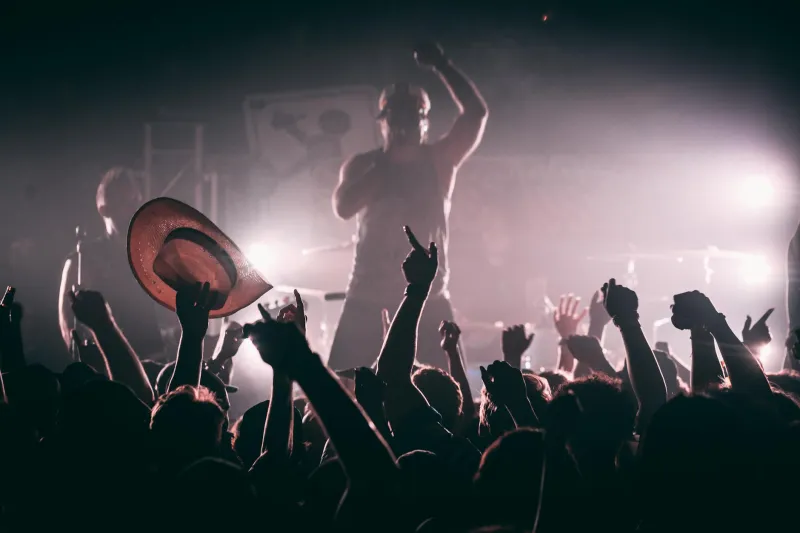
There's a moment that happens at every great Manchester gig, usually about three songs from the planned end, when the audience and the artist engage in an unspoken negotiation. The band might think they know how the night will end, but Manchester crowds have other ideas. What follows is a uniquely local phenomenon: the systematic dismantling of carefully planned setlists in favour of whatever the room is demanding.
This isn't just about encores – though Manchester crowds have turned the encore from a polite tradition into a blood sport. It's about an entire culture of audience participation that treats every gig like a collaborative performance, where the people in the crowd consider themselves equal partners in creating the night's magic.
From legendary shouts of "Play Champagne Supernova!" that completely derail acoustic sets to mass singalongs that drown out the actual performers, Manchester audiences have consistently proven that they're not content to be passive observers. They're active participants in their own entertainment.
The Ritz Riot: When Fans Became the Headliners
Ask any Manchester music veteran about crowd power, and they'll inevitably mention The Ritz on any given Saturday night in the late '90s. The venue's intimate size and notoriously vocal audience created a perfect storm of fan interaction that regularly saw bands abandoning their planned performances entirely.
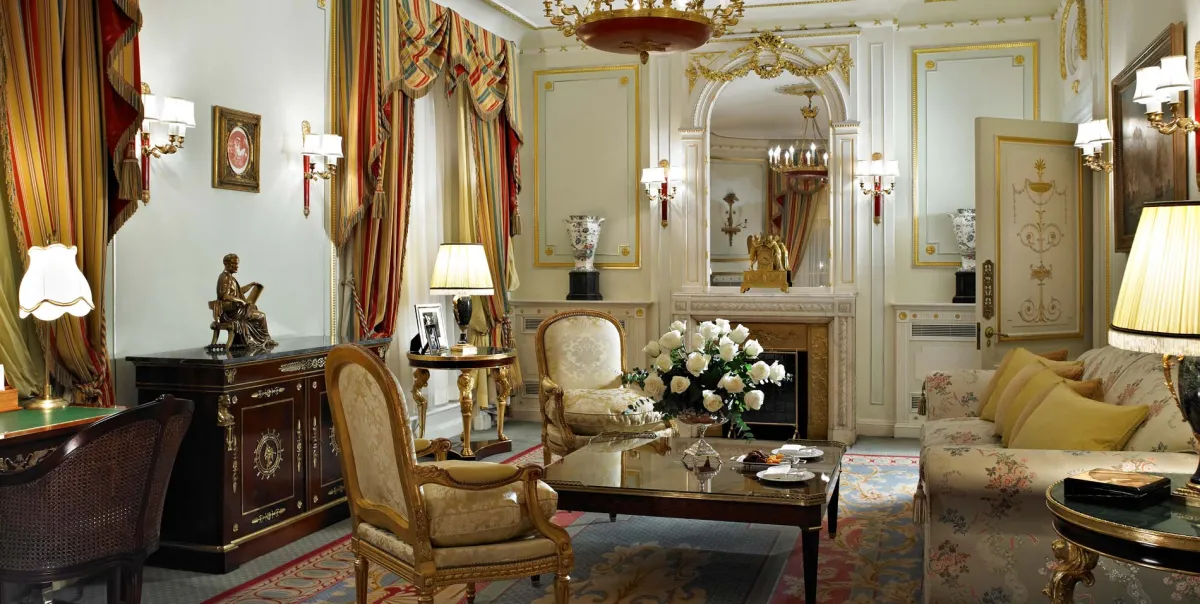 Photo: The Ritz, via www.londonsuiteshotel.com
Local photographer Mike Stevens, who documented hundreds of Ritz shows, recalls one particular night when a visiting indie band from London learned the hard way about Manchester expectations: "They'd played their set, done their planned encore, and were clearly finished. But the crowd just wouldn't stop. For twenty minutes, they chanted for 'one more song' until the band came back out looking genuinely confused."
What happened next became Ritz legend. The band, having exhausted their prepared material, asked the crowd what they wanted to hear. The response was immediate and unanimous: "Wonderwall." Despite the fact that it wasn't their song, they found themselves playing an impromptu cover of Oasis while 300 Manchester fans provided vocals that could be heard three streets away.
"That's when I understood something fundamental about Manchester crowds," Stevens explains. "They don't just want to see bands – they want to participate in creating something unique. Every show becomes a collaboration."
The Academy Acoustic Sessions: When Quiet Became Impossible
The Manchester Academy's acoustic series was designed to showcase artists in intimate, stripped-down performances. The reality proved somewhat different, as Manchester audiences struggled with the concept of sitting quietly through delicate ballads.
 Photo: Manchester Academy, via www.manchester-academy.org
Venue manager Claire Thompson laughs when recalling these events: "We'd brief artists about audience participation, but nothing really prepared them for the Manchester treatment. We had singer-songwriters who'd come to perform contemplative solo pieces, only to find 2,000 people singing every word back at them."
One particularly memorable evening saw a visiting American artist completely abandon his planned acoustic set after the third song, when audience participation had effectively turned his introspective indie folk into a massive singalong. Instead of fighting it, he embraced the energy and spent the rest of the show taking requests shouted from the crowd.
"By the end, he was playing covers of Manchester bands that he'd never heard before, with the audience teaching him the chords," Thompson remembers. "It was chaos, but it was beautiful chaos. That's Manchester for you."
The Hacienda Phenomenon: Where Audience Became Performance
No discussion of Manchester crowd culture would be complete without acknowledging the Hacienda's role in establishing the template for audience interaction. The legendary club didn't just host performances – it created an environment where the distinction between performer and audience became meaningless.
Former regular Danny Walsh, who attended the Hacienda throughout the '80s and early '90s, describes the unique atmosphere: "It wasn't about watching a DJ or a band – it was about being part of something bigger. The music was the soundtrack, but the real show was the crowd itself."
This philosophy spread throughout Manchester's music venues, creating a culture where audiences expected to be participants rather than observers. Bands quickly learned that Manchester crowds wouldn't be satisfied with a standard performance – they wanted something that acknowledged their presence and energy.
The Art of the Setlist Rebellion
Modern Manchester crowds have elevated setlist disruption to an art form. Armed with intimate knowledge of artists' entire catalogues and the confidence to make their preferences known, they regularly force performers to rethink their carefully planned shows.
Local music journalist Emma Roberts has witnessed countless examples of this phenomenon: "I've seen bands throw out their entire planned setlist after three songs because the crowd was demanding something different. It's not heckling – it's more like collective musical curation."
The most successful artists learn to read Manchester crowds and adapt accordingly. Some come prepared with extended setlists that allow for flexibility, while others have learned to embrace the chaos and treat each Manchester show as an improvised collaboration.
"The best Manchester gigs are the ones where you can feel the artist responding to the crowd in real time," Roberts explains. "There's a conversation happening between the stage and the floor, and when it works, it creates something magical that could never be replicated anywhere else."
The Encore Evolution: From Politeness to Persistence
The traditional encore – a brief return to the stage after polite applause – has evolved into something entirely different in Manchester. Local crowds have transformed it into a negotiation process that can last longer than the original set.
Sound engineer Paul Matthews, who's worked Manchester venues for over two decades, has observed this evolution firsthand: "In the early days, bands would come off stage, wait a few minutes, then return for one or two songs. Now, Manchester crowds will keep them there for forty minutes if they're enjoying themselves."
The persistence of Manchester audiences has become legendary. They'll outlast venue curfews, ignore house lights being turned on, and continue chanting for "one more song" long after the official show has ended. Security staff have learned to factor this into their planning, knowing that any attempt to clear the venue before the crowd is satisfied will only intensify the demands.
The Singalong Society: When Audiences Outperform the Artists
Perhaps the most distinctive feature of Manchester crowds is their willingness – and ability – to take over vocal duties when they feel the moment demands it. Local audiences know the words to everything, from deep cuts to B-sides, and they're not shy about demonstrating their knowledge.
Venue owner Sarah Mitchell describes this phenomenon: "We've had international artists stop mid-song because they couldn't hear themselves over the crowd singing. Some find it overwhelming, but the smart ones realise it's the highest compliment a Manchester audience can pay."
This vocal participation isn't limited to well-known anthems. Manchester crowds will learn new songs during the performance itself, turning first-time hearings into mass singalongs by the final chorus. It's a level of engagement that many artists find both thrilling and slightly intimidating.
The Request Culture: Democracy in Action
Unlike other cities where audience requests are occasional interruptions, Manchester crowds have institutionalised the practice. Shouts for specific songs are expected, respected, and often accommodated, creating a democratic approach to live performance that puts audience preferences at the centre of the experience.
This request culture extends beyond individual songs to entire performance styles. Crowds will demand acoustic versions of electric songs, extended jams of short tracks, or collaborations between support acts and headliners. Artists who embrace these demands often find themselves delivering career-defining performances.
The Modern Challenge: Social Media and Spontaneity
In an age where setlists are often leaked online before shows begin, Manchester crowds face new challenges in maintaining their tradition of spontaneous interaction. However, they've adapted by focusing on how songs are performed rather than which songs are played.
Modern Manchester audiences use their knowledge of planned setlists to make more specific demands – requesting particular versions of songs, asking for extended outros, or calling for guest appearances that weren't originally planned.
The Legacy of Participation
The culture of audience participation that defines Manchester's live music scene isn't just entertainment – it's cultural preservation. By refusing to be passive consumers, Manchester crowds ensure that every performance becomes a unique event that can't be replicated or replaced by recorded music.
This tradition continues to influence new generations of both artists and audiences. Young bands learn to expect and prepare for Manchester crowd interaction, while new fans quickly discover that attending a gig in Manchester requires active participation rather than passive observation.
The result is a live music culture that remains vibrant, unpredictable, and deeply connected to the community it serves. In Manchester, every gig is a collaboration, every encore is a negotiation, and every setlist is just a starting point for something potentially magical.