Before the First Chord
It's 6 AM on a drizzly Tuesday morning in Trafford Park, and Dave Morrison is already loading flight cases into his transit van. By the time most of Manchester is having their first brew, Dave's been grafting for two hours, preparing for another day in the unglamorous but essential world of live music logistics.
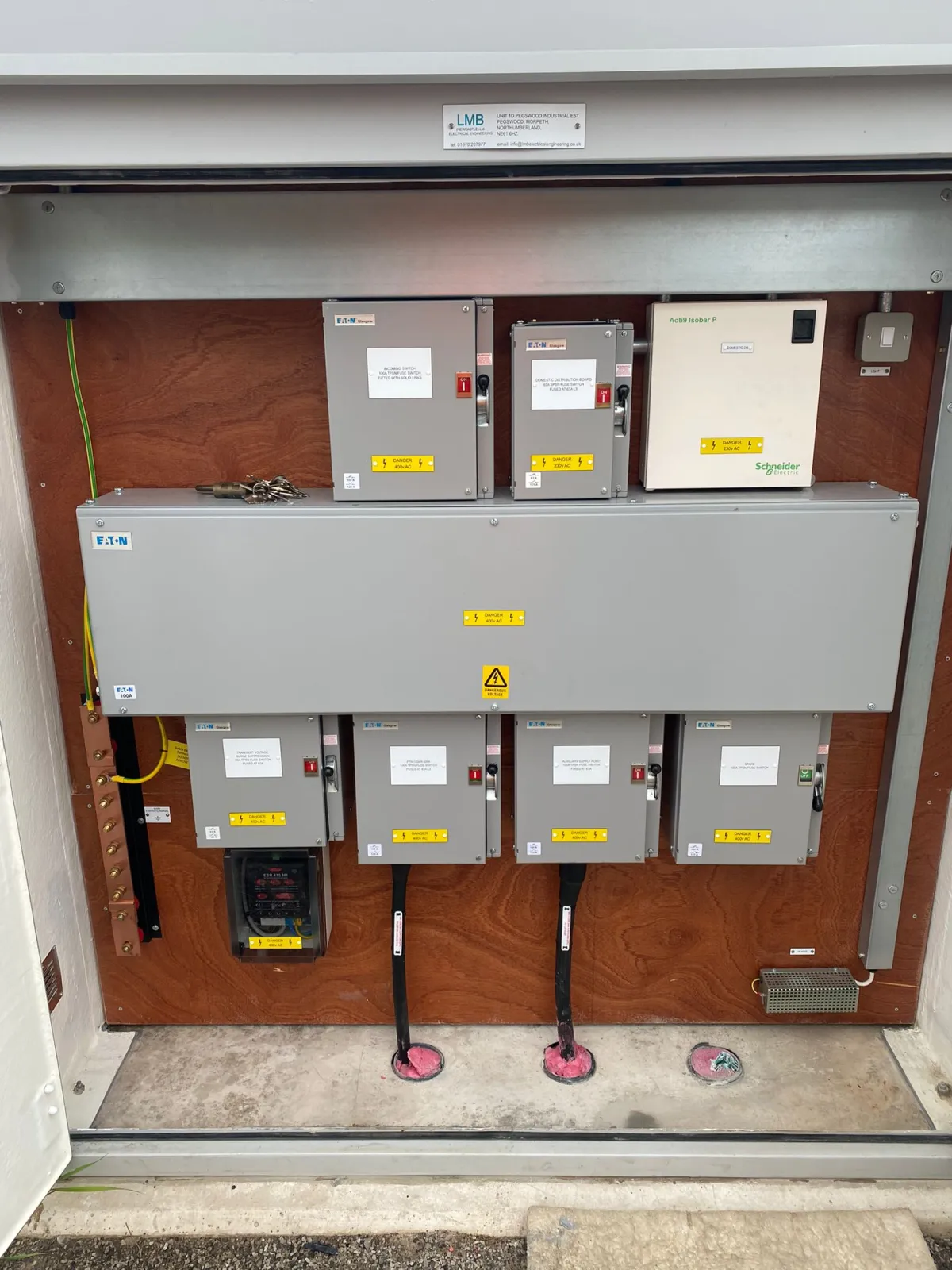 Photo: Trafford Park, via www.railwayelectricalservices.co.uk
"People see the finished product – the lights, the sound, the band looking effortless on stage," Dave explains, securing a particularly hefty bass cabinet. "They don't see the 4 AM load-ins, the drive to Birmingham in a van with dodgy heating, or the fact that we've been up since dawn making sure everything's perfect."
Dave's one of Manchester's veteran roadies, a man who's shifted gear for everyone from local indie hopefuls to internationally touring acts. His hands tell the story – scarred from countless encounters with flight case corners and mixing desk edges, but steady as a rock when it comes to the delicate art of microphone placement.
The Invisible Infrastructure
Manchester's live music scene doesn't run on passion alone – it runs on the dedication of people like Sarah Jenkins, who drives a crew van for one of the city's busiest production companies. She's been doing the job for eight years, navigating everything from Academy load-ins to intimate venue setups across the North West.
"The thing about this job is that when we're doing it right, nobody notices us," Sarah grins, checking her route to tonight's venue in Stockport. "We're like music ninjas. We arrive before anyone else, we leave after everyone's gone home, and in between, we make sure the magic happens."
Sarah's typical day might involve three different venues, two different crews, and enough cable to wire a small town. She knows every loading bay, every awkward staircase, and every venue manager from here to Preston. Her van is part mobile workshop, part emergency supply depot, stocked with everything from gaffer tape to emergency kettle leads.
The Science of Sound
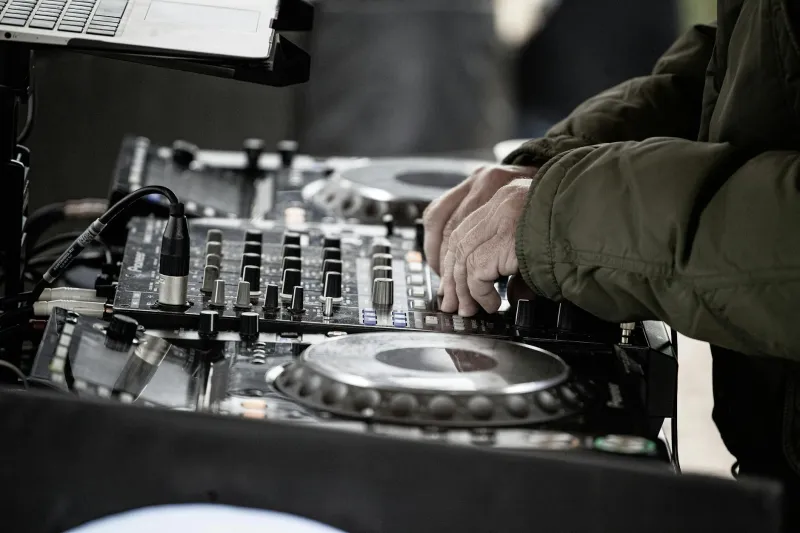
Then there's Mike Patterson, a sound engineer who's been fine-tuning Manchester's audio landscape for over a decade. While punters are queuing outside, Mike's inside running sound checks, adjusting levels, and making sure every voice and instrument cuts through the mix with crystal clarity.
"Each venue has its own personality," Mike explains, adjusting EQ settings at a Northern Quarter club. "This room eats bass frequencies for breakfast, so you compensate. That warehouse space in Ancoats has a two-second reverb tail that can make drums sound muddy if you're not careful. You learn these things through experience, through countless nights of listening and adjusting."
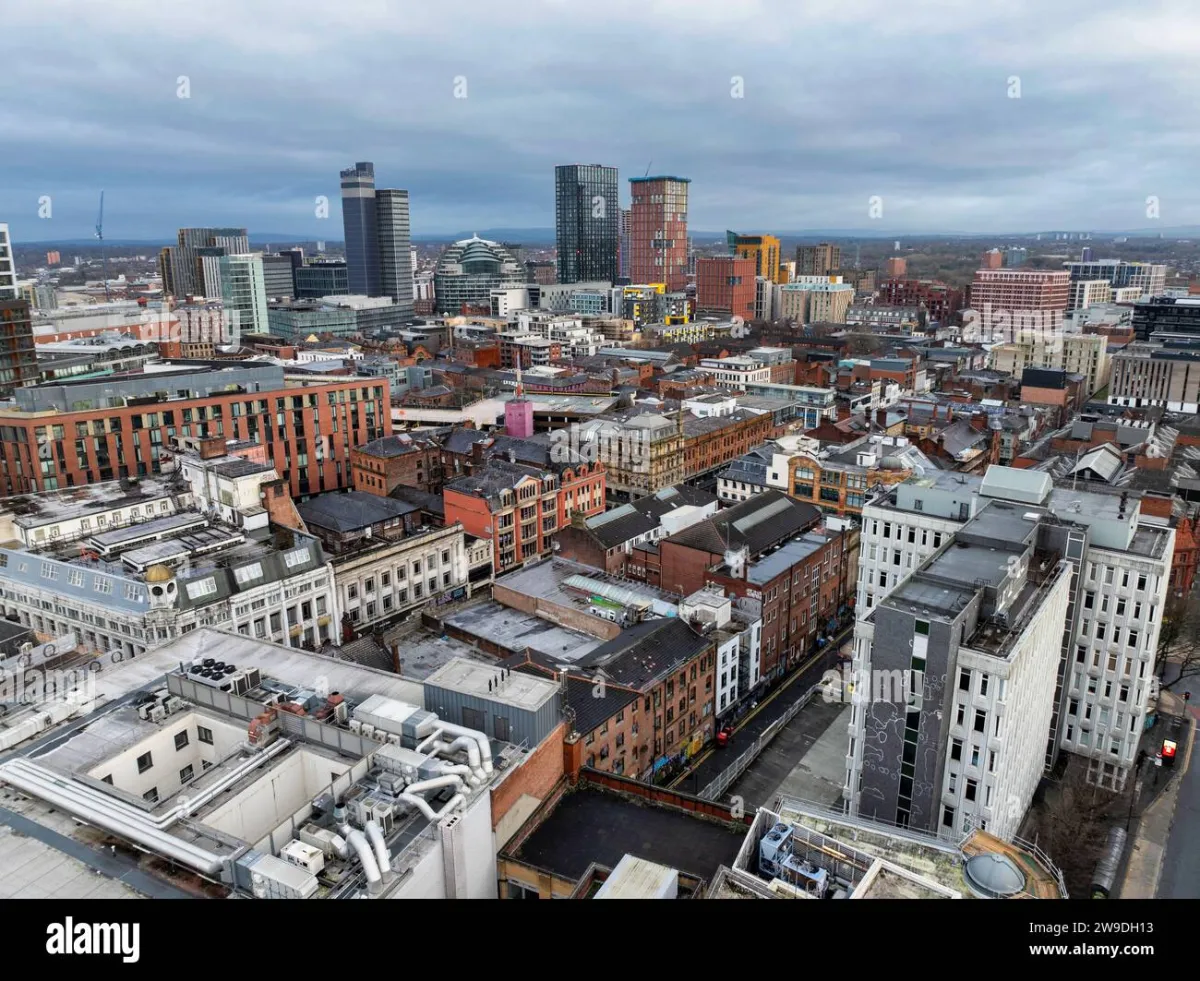 Photo: Northern Quarter, via c8.alamy.com
Mike's not just a technician – he's part psychologist, part diplomat. He mediates between artists' vision and acoustic reality, translating creative ambition into technical possibility. When a band complains they can't hear themselves, Mike's the one who sorts it. When feedback threatens to ruin a delicate acoustic moment, Mike's already three steps ahead with the solution.
The Economics of Dedication
What drives these essential workers isn't the money – because let's be honest, there isn't much of it. A typical crew day might start at dawn and finish well past midnight, all for wages that wouldn't tempt most people out of a warm bed. Yet Manchester's crew community is remarkably loyal, with many having worked the scene for decades.
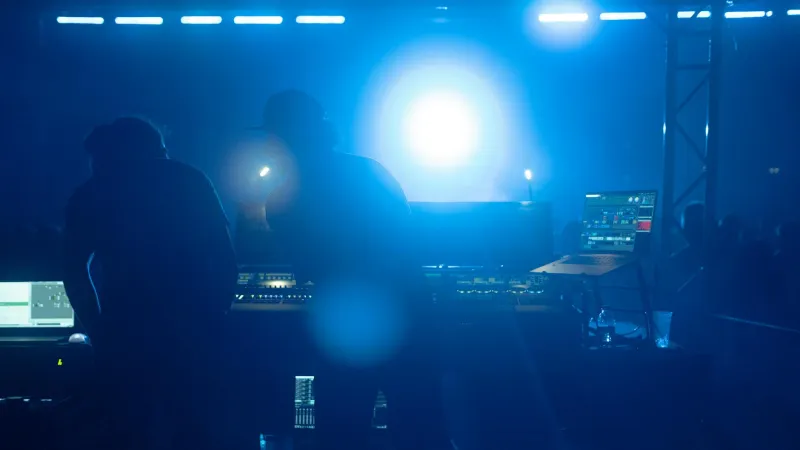
"It's not about getting rich," admits lighting technician Emma Clarke, programming a complex sequence for tonight's show. "It's about being part of something bigger. Every night, we help create moments that people will remember forever. That's worth something you can't put a price on."
Emma's been working Manchester venues for six years, progressing from basic stage hand to lighting designer. She's learned every console, mastered every software package, and developed an intuitive understanding of how light can enhance or destroy a musical moment.
Community and Craft
What's remarkable about Manchester's crew community is how collaborative it remains despite the competitive nature of the music industry. Knowledge gets shared freely, favours get returned without question, and when someone's van breaks down on the M62, there's always another crew member willing to help out.
"We all look out for each other," explains veteran stage manager Tony Roberts. "This isn't London where everything's cutthroat. In Manchester, we understand that if one of us fails, we all look bad. The scene only works if we all work together."
Tony's seen Manchester's music landscape evolve dramatically over his twenty-year career. Venues have come and gone, technology has advanced beyond recognition, but the fundamental job remains the same: making sure artists can do what they do best whilst everything else fades into the background.
The Next Generation
As Manchester's music scene continues to grow, so does the need for skilled crew members. College courses and apprenticeships are starting to formalise what was once purely learn-on-the-job knowledge, but the essential qualities – dedication, problem-solving ability, and genuine love for live music – remain unchanged.
"You can teach someone to coil cables properly or set up a mixing desk," reflects Dave Morrison, now mentoring younger crew members. "But you can't teach them to care. That has to come from inside. The best crew members are the ones who understand they're not just shifting boxes – they're helping create magic."
Next time you're at a Manchester gig, spare a thought for the invisible army that made it possible. They arrived before you, they'll leave after you, and they'll do it all again tomorrow night. They're the reason Manchester's music scene keeps moving, one flight case at a time.