The Moment Everything Changed
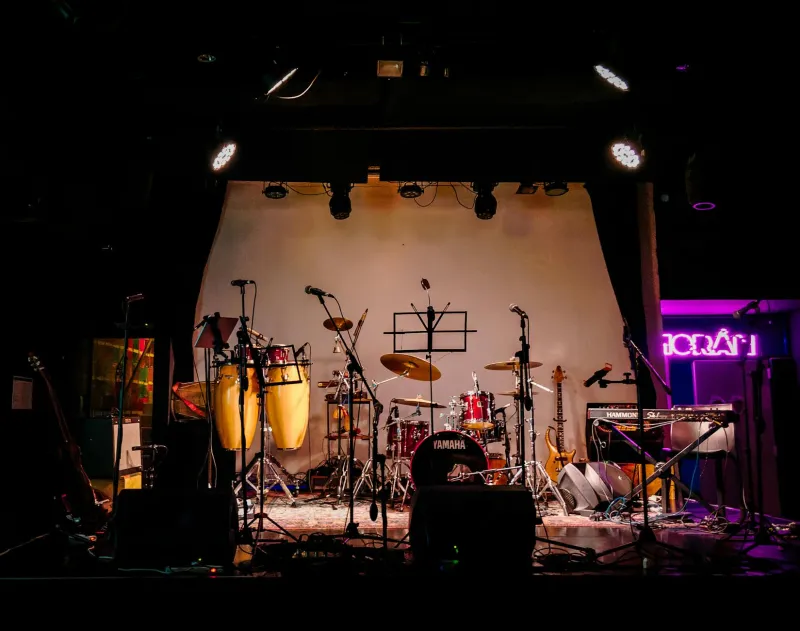
There's something beautifully democratic about the support slot. No matter how massive a band eventually becomes, they all started in the same place – nervously setting up their gear in front of a largely indifferent crowd who've only shown up for the headline act. But sometimes, magic happens in those thirty minutes of borrowed stage time.
We spoke to Manchester musicians across genres and generations about the single support gig that became their career turning point. What we discovered were stories of triumph, terror, and the kind of serendipitous moments that prove why live music remains so vital to our city's cultural DNA.
The Breakthrough at Band on the Wall
For indie-folk quartet Meadow Lane, the pivotal moment came during a Tuesday night support slot at Band on the Wall in 2019. "We were opening for a band called Violet Skies," recalls lead singer Emma Thornton. "Maybe forty people in the room, most of them chatting through our set. But there was this one bloke at the back, really paying attention, taking notes."
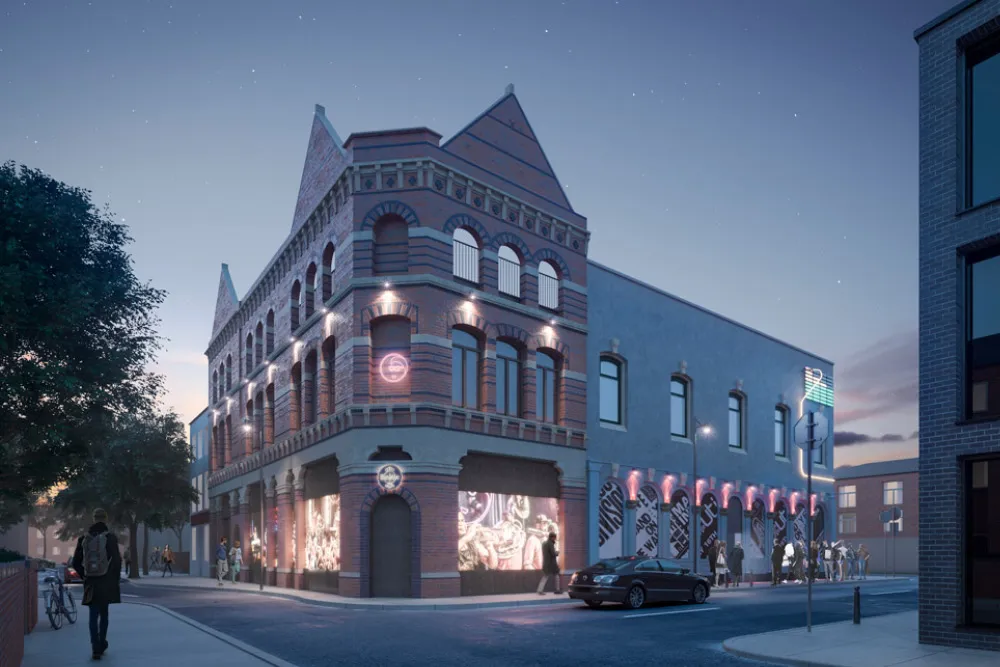 Photo: Band on the Wall, via www.omiarchitects.com
That bloke turned out to be a booking agent for several major festivals. By the end of the week, Meadow Lane had secured slots at Latitude and Green Man. "That one gig led directly to our record deal," Emma explains. "Sometimes it only takes one person in the right place at the right time."
The band's guitarist, Sam Mitchell, remembers the performance differently: "I was convinced we'd bombed completely. My amp was cutting out, Emma forgot the words to our biggest song, and the sound engineer looked like he'd rather be anywhere else. Just shows you never know how these things come across."
The Academy Audition
Rapper and producer MC Flux (real name Marcus Williams) traces his breakthrough to an unlikely support slot opening for a death metal band at Manchester Academy 3 in 2018. "My manager thought it would be 'interesting' to put a hip-hop act in front of a metal crowd," he laughs. "I thought he'd lost his mind."
 Photo: Manchester Academy, via img.youtube.com
The culture clash could have been a disaster, but Marcus turned it into a masterclass in winning over a hostile crowd. "First song, they were all stood there with their arms folded, looking at me like I'd wandered into the wrong venue. By the third track, half of them were nodding along. By the end of the set, I had them chanting my lyrics back at me."
In the crowd that night was a BBC Radio 1 producer who was dating the metal band's drummer. "She came up afterwards and said she'd never seen anything like it," Marcus recalls. "Two weeks later, I was recording my first Radio 1 session. All because I managed to get a room full of metalheads to appreciate some Manchester grime."
The Intimate Revelation
Sometimes the most important gigs happen in the smallest rooms. Singer-songwriter Beth Crawford's career-defining moment came during a support slot at the tiny Gullivers venue in the Northern Quarter. "Maybe twenty-five people in the room, including the bar staff," she remembers. "I almost didn't bother going on."
But among those twenty-five people was legendary producer John Leckie, in Manchester visiting old friends. "He came up afterwards and said my songs reminded him of early Radiohead demos," Beth recalls, still slightly star-struck years later. "Six months later, I was in his studio recording my debut album."
The album, 'Northern Lights', went on to receive critical acclaim and established Beth as one of Manchester's most promising songwriting talents. "That Gullivers gig taught me that it's not about the size of the crowd," she reflects. "It's about connecting with the people who are actually listening."
The Chaos That Worked
Not every breakthrough moment goes according to plan. Post-punk trio Static Voltage remember their life-changing support slot at Gorilla for all the wrong reasons. "Everything that could go wrong did go wrong," recalls bassist Jake Morrison. "Our drummer's kit collapsed during the second song, the PA system started feeding back every time I hit a low note, and someone in the crowd was heckling us throughout."
Drummer Lucy Chen picks up the story: "We should have just given up and walked off. Instead, we started improvising this weird, chaotic jam that incorporated all the technical problems. The feedback became part of the rhythm, Jake started playing these mental basslines to avoid the frequencies that caused problems, and I was basically playing a broken kit like it was a percussion experiment."
The improvised chaos caught the attention of an experimental music label owner who happened to be in the crowd. "He said it was the most innovative thing he'd heard in years," Jake laughs. "Signed us the next week. Our whole sound now is based on that accident."
The Long Game
For some artists, the crucial support slot isn't about immediate breakthrough but about building relationships that pay off years later. Indie rockers The Velvet Underground Society (no relation to the New York legends) supported dozens of bands across Manchester venues between 2015 and 2018, seemingly without making significant progress.
"We were the support act's support act half the time," admits frontman David Walsh. "Playing to empty rooms, lugging our gear up three flights of stairs to venues that barely had a PA system. But we kept meeting people, making connections, proving we were reliable."
The patience paid off when several of those connections converged in 2019. "Suddenly, all these bands we'd supported years earlier were headlining major venues and offering us support slots. The promoter who'd seen us play to twelve people at Night and Day was booking us for Academy shows. It was like a slow-motion overnight success."
The Confidence Builder
Sometimes the most important thing a support slot provides isn't industry connections but self-belief. Electronic duo Frequency Found almost quit music entirely before a support slot at The Deaf Institute changed their perspective.
"We'd been getting nowhere for two years," explains producer Alex Thompson. "Sending demos into the void, playing to our mates and their mates, wondering if we were deluding ourselves. Then we got offered this support slot opening for a band we actually respected."
Partner Sarah Kim remembers the nerves: "We'd never played our electronic stuff live before. It was all programmed tracks and samples. We had no idea if it would work in a live setting or if people would just think we were pressing play on a laptop."
The response was overwhelming. "People were dancing from the first track," Alex recalls. "Properly dancing, not just politely nodding. After the show, kids were coming up asking where they could buy our music. That was the moment we realised we might actually have something worth pursuing."
The Universal Truth
What emerges from these conversations is a universal truth about Manchester's music scene: talent matters, but so does timing, luck, and the willingness to take risks in front of indifferent crowds. Every successful artist has a story about the gig that almost didn't happen, the performance that felt like a disaster but changed everything, or the random encounter that opened doors they didn't even know existed.
"The support slot is where you learn who you really are as a performer," reflects Beth Crawford. "When people aren't there to see you, when you have to win them over from scratch, that's when you discover what you're actually made of."
For aspiring musicians reading this, the message is clear: every gig matters, even the ones that feel pointless. That half-empty room might contain your future, and that disastrous performance might be exactly what someone needs to hear.
After all, this is Manchester – where legends are made one support slot at a time.