The Great Manchester Gig Paradox
Walk past any major Manchester venue at doors time and you'll witness the same ritual: queues of eager punters chatting excitedly about the headliner, completely oblivious to the fact that inside, something magical might already be happening. It's become the unspoken rule of Manchester gig culture – arrive fashionably late, miss the "boring" support acts, and roll in just as the main event kicks off.
But here's the thing that's eating away at the soul of our music scene: those "boring" support acts are often delivering the most electrifying 30 minutes of the entire evening. In a city that prides itself on discovering the next big thing, on being the breeding ground for musical legends, we've somehow convinced ourselves that the opening slots don't matter.
Tell that to anyone who caught Arctic Monkeys supporting Milburn at the Leadmill in 2005, or witnessed Blossoms absolutely demolishing their support slot at the Ritz before anyone knew their name.
When David Beat Goliath
Ask any seasoned Manchester gig-goer about their most memorable live moments, and chances are they'll mention a support act that completely blindsided them. Take Sarah Mitchell, a regular at the Academy venues: "I went to see Kaiser Chiefs in 2019, turned up early by accident, and ended up watching this unknown band called Inhaler absolutely tear the place apart. The energy was mental – they played like their lives depended on it. When Kaiser Chiefs came on, it felt almost anticlimactic."
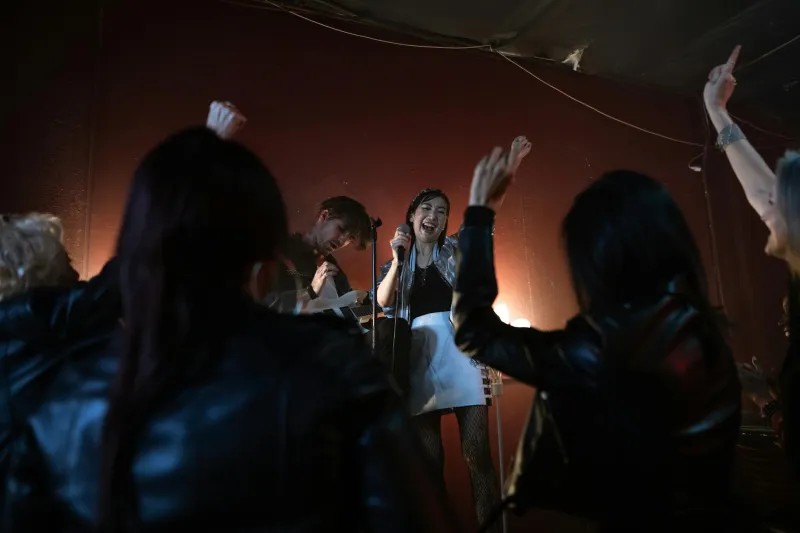
That hunger, that desperation to prove themselves, creates a different kind of electricity altogether. Headliners might have the polished production and the devoted fanbase, but support acts have something else entirely: everything to gain and nothing to lose.
The phenomenon isn't unique to big venues either. At Band on the Wall, night after night, punters miss opening acts who go on to headline festivals within months. The Deaf Institute has seen countless future stars play to half-empty rooms while people nurse pints in Zombie Shack next door.
The Manchester Spirit in 30 Minutes
What makes this habit particularly criminal in Manchester is that it goes against everything our music scene stands for. This is the city that discovered The Smiths in dingy clubs, that gave Oasis their first proper platform, that turned Happy Mondays from Factory Records oddities into cultural icons. Manchester has always been about spotting talent before anyone else, about being there first.
Yet somehow, we've developed this bizarre snobbery around support slots. As if watching an unknown band is beneath us, as if we're too sophisticated for the scrappy, sweaty urgency of a proper warm-up set.
Jamie Thompson, who books acts for several Manchester venues, puts it bluntly: "The best gigs I've seen in 20 years have been support slots. There's something about that 30-minute window – bands know they have to win over a crowd that isn't there for them. It brings out something primal."
The Economics of Missing Out
From a purely practical standpoint, arriving late makes no financial sense either. You've paid the same ticket price whether you see 90 minutes of music or 60. You're literally throwing money away while standing in the cold, queuing for entry as the venue fills up with sound.
More importantly, you're missing opportunities to discover your new favourite band. How many times have you spent hours trawling Spotify playlists looking for something fresh, when you could have found it live, in the flesh, supporting your favourite act?
The streaming age has made music discovery feel clinical, algorithmic. But there's nothing quite like that moment when an unknown band walks on stage and completely changes your musical world in real time. It's pure, unfiltered discovery – the kind Manchester built its reputation on.
Changing the Culture
So how do we fix this? How do we convince a generation of gig-goers that the warm-up act isn't just filler, but often the main event in disguise?
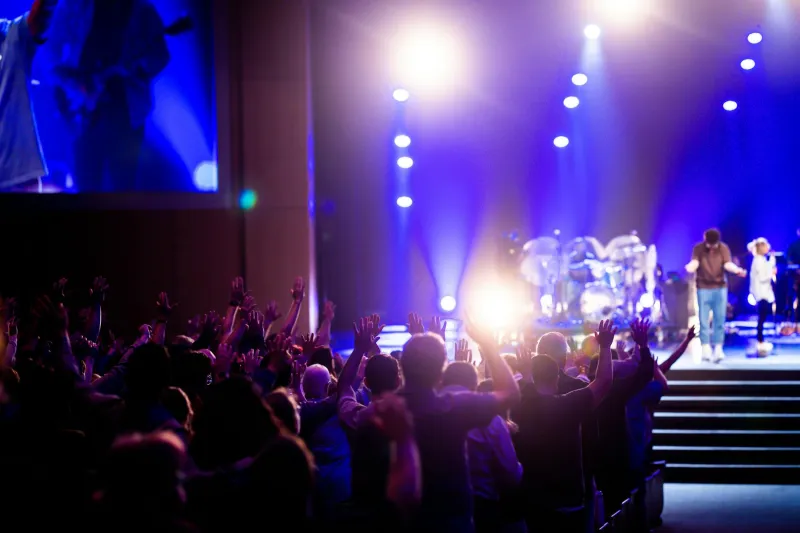
It starts with changing our mindset. Treat every gig ticket as access to an evening of discovery, not just a chance to hear songs you already know. Arrive early, grab a spot near the front, and give that opening act the same energy you'd give the headliner.
Venues can help too. Better promotion of support acts, perhaps even separate ticket pricing that reflects the value of seeing multiple bands, could shift perceptions. Some promoters are already experimenting with "showcase" nights where the traditional hierarchy is flattened.
The Real Manchester Magic
Ultimately, Manchester's music scene isn't built on stadium anthems or chart positions – it's built on moments. Those split-second instances when everything clicks, when a room full of strangers becomes a single organism moving to the same beat.
Those moments happen just as often during support slots as they do during headline sets. Maybe more often, because there's less expectation, less pressure, more room for genuine surprise.
Next time you've got tickets to a gig, don't check the doors time and add an hour. Check the doors time and be there. Give Manchester's hungry, talented, desperate-to-impress support acts the audience they deserve.
Because in a city where musical legends are born nightly in venues across the city centre, missing the warm-up act isn't just poor value – it's missing the point entirely.