The Sound That Built a City
Walk down any street in Manchester and you'll hear it – not just from the speakers bleeding out of record shops or the buskers strumming outside Piccadilly Gardens, but in the very rhythm of the place. The way locals move, speak, and carry themselves has been shaped by decades of musical revolution that started in dingy basement clubs and somehow rewrote the DNA of an entire city.
It's not just about the obvious stuff – though yeah, you'll still spot the occasional Stone Roses bucket hat bobbing through the Northern Quarter on a Saturday afternoon. This runs deeper. Manchester's music didn't just give us anthems; it gave us an attitude, a language, and a way of being that's filtered into everything from the way we dress to what we order at the chippy.
When Fashion Followed the Beat
The Madchester explosion of the late '80s and early '90s didn't just change what was coming out of speakers – it completely transformed what was hanging in wardrobes across the city. Those loose-fitting jeans, oversized hoodies, and bucket hats that became synonymous with bands like Happy Mondays and The Stone Roses? They weren't just stage costumes; they became the unofficial uniform of a generation.
You can still see the echoes today in Manchester's independent boutiques and vintage stores. Shop owners in Afflecks Palace will tell you stories of punters coming in asking for "that Shaun Ryder look" or hunting down original Kangol hats because they saw Bez wearing one in an old rave video. The baggy aesthetic didn't just disappear when the '90s ended – it morphed, evolved, and became part of the city's fashion DNA.
Even the high street caught on. Local designers started incorporating that relaxed, music-festival vibe into their collections, and suddenly you had office workers in Deansgate wearing trainers that wouldn't look out of place at a warehouse rave. Music gave Manchester permission to dress down, to prioritise comfort and authenticity over corporate polish.
The Language of the Streets
Spend five minutes in any Manchester pub and you'll hear phrases that were born in recording studios and rehearsal rooms. "Sound" didn't just mean audio quality – it became the city's go-to word for anything decent, proper, or worth your time. "Mint" shifted from describing sweets to describing anything brilliant. "Mad for it" went from being an Oasis lyric to being how Mancunians describe their weekend plans.
The Gallagher brothers alone probably contributed more to local slang than any dictionary. Their interviews, packed with attitude and quotable one-liners, gave the city a vocabulary for confidence and defiance. Suddenly, everyone was having it "large," everything was "biblical," and if you didn't like it, well, you could "have some of that."
This linguistic legacy isn't just nostalgia – it's living, breathing culture. Listen to conversations in Curry Mile restaurants or debates in Ancoats pubs, and you'll hear music-born phrases being passed down through generations who might not even know where they came from.
Walls That Sing
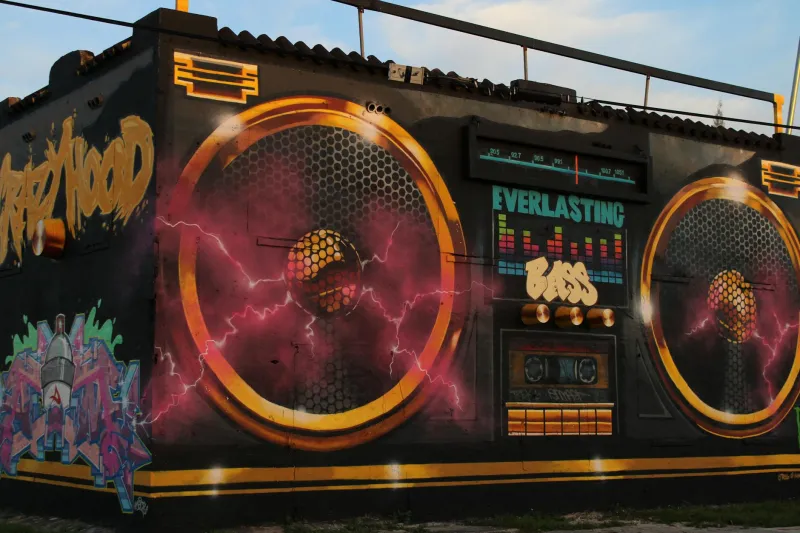
Manchester's street art scene tells the story of its musical heritage in spray paint and stencils. From the iconic Smiths mural in the Northern Quarter to unauthorized Joy Division tributes appearing overnight on canal bridges, the city's walls have become an unofficial gallery celebrating its sonic legacy.
Local artists like Akse P19 have made careers out of immortalizing Manchester's musical heroes in massive murals that become pilgrimage sites for fans. But it's not just the big commissioned pieces – it's the smaller tags, the lyric quotes scrawled in alleyways, the stenciled band logos on railway arches. Music gave the city's artists a shared visual language that speaks to locals and visitors alike.
Walk through areas like Ancoats or along the Rochdale Canal, and you'll see how music culture has influenced the aesthetic of regeneration projects. Developers know that a bit of musical heritage – whether it's naming apartment blocks after local bands or incorporating music-themed design elements – helps sell the "authentic Manchester experience."
The Taste of Sound
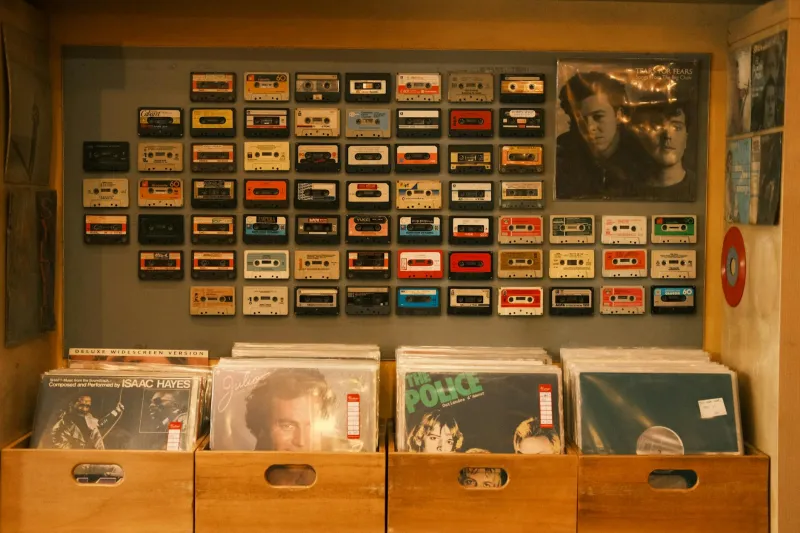
Even Manchester's food and drink culture bears the fingerprints of its musical heritage. Pubs that hosted early gigs by legendary bands have become institutions, their walls covered in memorabilia and their jukeboxes carefully curated to tell the story of the city's sound.
The Dry Bar, originally opened by Factory Records, didn't just serve drinks – it served attitude. Its minimalist design and carefully selected soundtrack influenced how an entire generation thought bars should look and feel. That aesthetic – industrial, unpretentious, with music as the main character – can be seen in independent venues across the city today.
Local breweries have caught on too, naming beers after classic Manchester tracks and hosting vinyl listening sessions alongside their beer tastings. Food markets in the Northern Quarter play carefully curated playlists that soundtrack your Saturday morning bacon butty, creating an atmosphere where music and daily life blend seamlessly.
Living the Legacy
What makes Manchester special isn't just that it produced world-changing music – it's that the music changed the city right back. The confidence, creativity, and slight madness that powered bands from The Smiths to Oasis didn't stay contained within the music scene. It leaked out into the streets, the shops, the conversations in taxi queues, and the way people walk to work on Monday morning.
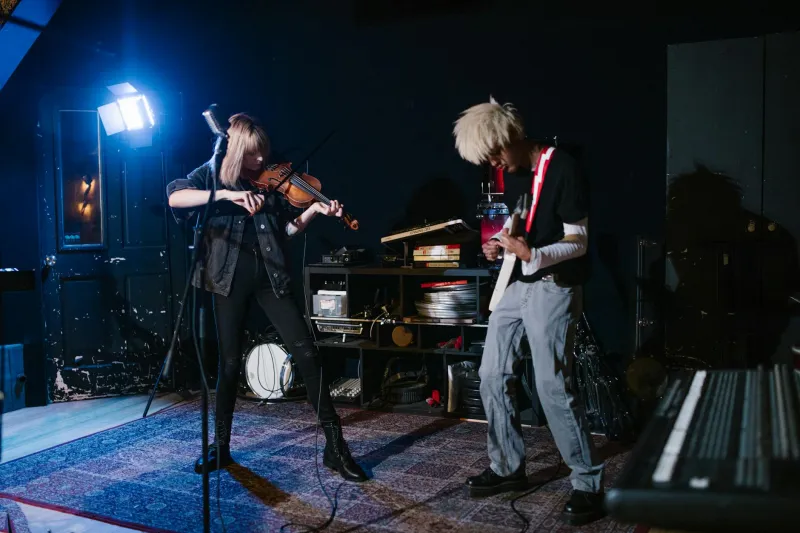
This isn't a museum piece or a heritage trail – it's a living culture that continues to evolve. New bands, new venues, and new generations of music fans are still adding to the story, still shaping how Manchester sees itself and how the world sees Manchester.
The beat goes on, and the city moves to it.