The Invisible Army
In every iconic Manchester recording, there's usually someone you've never heard of playing something essential. They're the session musicians – the hired hands who show up with their instruments, their expertise, and their ability to make other people's songs sound better than they ever imagined. While the credited artists take the applause and the royalties, these musical mercenaries have been quietly building the foundations of Manchester's sound for generations.
They're the ones who suggested that guitar part, who knew exactly what the song needed, who could nail a perfect take when the clock was ticking and the budget was running out. Manchester's session scene might not have the glamour of London's Abbey Road crowd, but it's produced some of the most distinctive sounds in British music.
The Studio Regulars
Walk into any of Manchester's legendary recording studios in the '80s, '90s, or even today, and you'd encounter the same familiar faces. These are the musicians who've made careers out of being exactly what a song needs, when it needs it. They're the Swiss Army knives of the music world – versatile, reliable, and essential.
"I've played on records that people consider classics, and my name's nowhere to be seen," says Pete Harrison, a guitarist who's been working Manchester's studio scene since the late '70s. "That's fine by me. I was there when the magic happened, I helped create it, and I got paid to do what I love. That's more than most musicians can say."
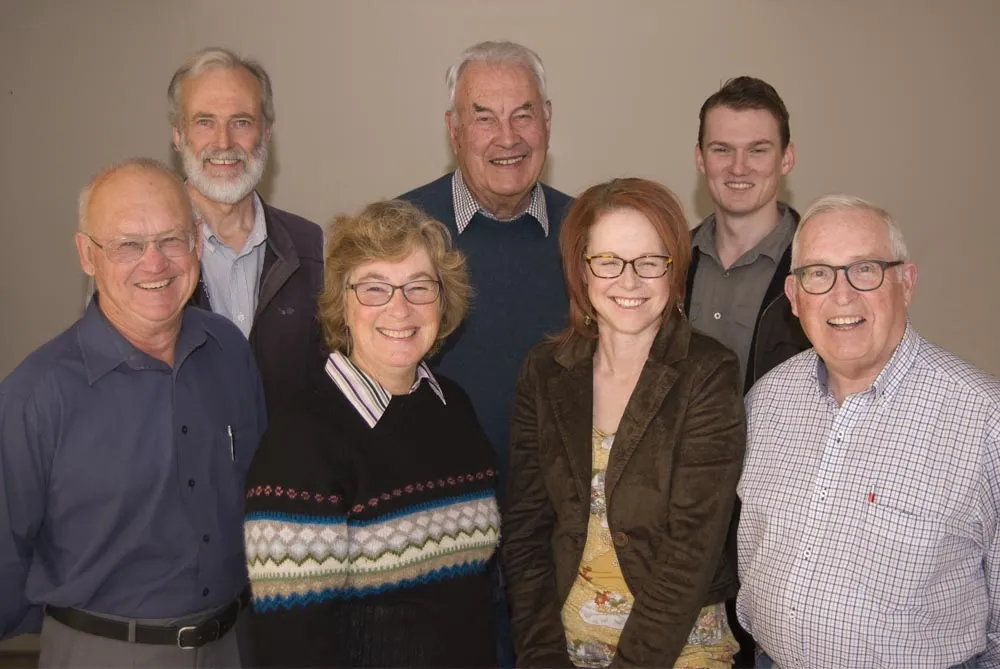 Photo: Pete Harrison, via www.peteharrison.id.au
Pete's modesty is typical of the breed. Session musicians tend to be ego-free zones in an industry not known for humility. They understand that their job is to serve the song, not their own ambitions. It's a mindset that's produced some extraordinary music.
The Specialists
Manchester's session scene has always been rich with specialists – musicians who've mastered specific instruments or styles that bands need but don't possess themselves. There's the keyboard player who can make any synthesizer sound like it's from the future, the bassist who understands exactly how to lock in with any drummer, the guitarist who can channel any era or influence on demand.
Sarah Mills built her career around being Manchester's go-to string arranger. "Bands would come to me with these ambitious ideas about orchestration, but no clue how to execute them," she explains. "I became the bridge between their vision and reality. I'd work out the arrangements, book the players, conduct the sessions. Suddenly their indie song had a string section that sounded like it belonged on a film soundtrack."
 Photo: Sarah Mills, via images.squarespace-cdn.com
These specialists often become the secret ingredients that separate good Manchester records from great ones. They're the ones who add the unexpected element that makes a song memorable, the musical flourish that turns a demo into a masterpiece.
The Problem Solvers
Session work isn't just about playing your instrument well – it's about solving musical problems in real time. When a band's drummer can't quite nail the groove, when a guitarist's technique isn't quite up to their ambitions, when a song needs something but nobody can quite identify what – that's when the session players earn their money.
"I've been called in to fix so many recordings over the years," recalls drummer Mike Chen, whose steady backbeats have appeared on countless Manchester albums. "Sometimes it's technical – the original drummer couldn't play the part consistently. Sometimes it's creative – they need someone who can suggest a different approach. The best session work is invisible. If I've done my job right, you can't tell the difference."
This problem-solving mentality has shaped Manchester's recording culture. Local producers know they can take creative risks because there's always someone who can execute the vision. It's created an environment where ambition isn't limited by technical ability.
The Collaborators
The best session musicians don't just play what they're told – they contribute to the creative process. They suggest alternatives, offer improvements, and sometimes completely transform a song with a single idea. Many of Manchester's most celebrated recordings feature uncredited contributions from session players who went beyond their brief.
"I was hired to play bass on what was supposed to be a straightforward indie track," remembers Lisa Rodriguez, whose playing has graced numerous Manchester releases. "But when I heard the song, I suggested we try a completely different approach to the rhythm section. We ended up rebuilding the entire arrangement around this new groove. The song became their biggest hit, and nobody outside the studio knows I basically rewrote the bottom end."
These collaborative moments are where session work becomes art. The hired hand becomes a creative partner, even if their contribution remains anonymous.
The Keepers of Tradition
Manchester's session musicians serve another crucial function – they're the keepers of musical knowledge and tradition. Many have worked with multiple generations of artists, carrying techniques and approaches from one era to the next. They're living libraries of musical information.
"I've worked with bands who worship Joy Division but have never heard of the session players who helped create that sound," observes keyboard player Tony Walsh (again, no relation to our Tony, but a legend in his own right). "I was there for some of those early recordings. I remember the techniques, the equipment, the approaches that made those records special. When young bands want to capture that magic, they need someone who knows how it was actually done."
This continuity helps explain why Manchester's music has maintained its distinctive character across decades. The session community preserves and passes on the city's musical DNA.
The Modern Evolution
Today's Manchester session scene looks different from its predecessors, but the principles remain the same. Digital technology has changed the tools, but the need for skilled, creative musicians hasn't diminished. If anything, the ability to work in different styles and adapt to new technologies has become even more valuable.
"I get called in for everything from traditional band recordings to electronic productions where they need live instruments," explains violinist Emma Thompson. "The technology changes, but musicians still need someone who understands how to make their vision work in reality. That's what session players do – we make the impossible possible."
The Unsung Legacy
The true measure of Manchester's session community isn't in the credits they didn't receive or the recognition they never sought. It's in the countless records they improved, the songs they helped perfect, and the musical moments they made possible. They're the reason Manchester's studios have always punched above their weight, why local recordings have consistently competed with London and Los Angeles productions.
Every time you hear a Manchester song that makes you think "how did they get that sound?", there's probably a session musician involved. They're the hidden architects of our musical heritage, the craftspeople who turned inspiration into audio reality.
In a city that celebrates its musical achievements, it's worth remembering that some of the most important contributors never wanted their names in lights. They wanted to make great music, and they did, one session at a time. Manchester's sound wouldn't be the same without them.