The Best View in the House
While punters argue about whether the barrier or the balcony offers the superior gig experience, there's one spot that consistently delivers the most entertaining view of any Manchester venue: behind the merch table. It's here that a dedicated crew of traders, collectors, and music obsessives have spent decades watching the city's gig scene evolve, one T-shirt sale at a time.
We caught up with some of Manchester's longest-serving merch table veterans to hear their wildest stories, strangest encounters, and honest observations about how live music culture has shifted over the years. What we discovered was a treasure trove of backstage gossip, heartwarming fan encounters, and the kind of behind-the-scenes chaos that makes Manchester's music scene so brilliantly unpredictable.
Meet the Legends
Jenny Walsh has been working merch tables across Manchester for over two decades. She's seen it all – from intimate acoustic sets at the Deaf Institute to massive arena shows at the AO. "People think it's just about flogging T-shirts," she laughs, "but you become part therapist, part historian, part security guard. We're the ones who remember which bands were genuinely sound and which ones were absolute nightmares."
Dave "Merch Dave" Patterson started his career selling bootleg tapes outside the Haçienda in the late 1980s. "Different world back then," he recalls. "No credit cards, no fancy displays – just a carrier bag full of cassettes and a lot of hope that the bouncers wouldn't notice you."
The Stories They Tell
Ask any veteran merch seller about their most memorable night, and you'll get a different story every time. Jenny's favourite involves a famous Britpop frontman who spent an entire evening hiding behind her stall to avoid an ex-girlfriend in the crowd. "He bought about £200 worth of his own merchandise just to have an excuse to stay there," she grins. "Ended up helping me pack up at the end of the night."
Dave's wildest experience came during a particularly chaotic Madchester reunion gig. "The band were so out of it they forgot to bring any merch at all. I had to sprint to the 24-hour Asda to buy plain white T-shirts and a packet of Sharpies. Spent the whole gig writing band names on shirts with a felt-tip pen. Made a fortune."
The Evolution of Tat
The merchandise itself tells the story of changing times. In the 1980s and 1990s, it was all about T-shirts, badges, and the occasional poster. These days, the merch table resembles a small department store – vinyl reissues, limited-edition art prints, branded tote bags, even USB sticks containing exclusive content.
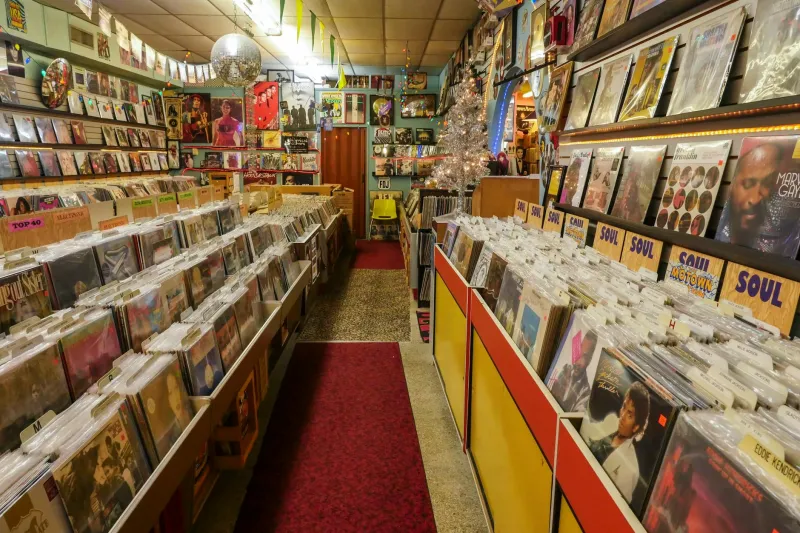
"The vinyl revival has been mental," explains current Academy merch manager Lisa Chen. "We've had people queue for three hours just to buy a special coloured pressing. The dedication is incredible, but it's also pushed prices through the roof. A T-shirt that cost a tenner in 2005 is now thirty quid easy."
The rise of contactless payments has revolutionised the trade. "No more counting sweaty fivers at 2am," Dave notes with relief. "Though I do miss the personal interaction you got when people had to dig around for exact change. Led to some proper conversations."
Fans, Fights, and Funny Moments
Working the merch table puts you on the front line of fan culture in all its glorious madness. Jenny recalls a teenage fan who saved up for months to buy a hoodie from her favourite band, only to spill a pint all over it five minutes later. "She was absolutely devastated. The band's guitarist happened to be walking past, saw what happened, and gave her his own hoodie right off his back. Didn't say a word, just handed it over and walked off. That's Manchester for you."
Not all encounters are heartwarming. Dave has witnessed his share of merch table drama over the years. "Had someone try to pay for a £25 T-shirt with a bag of 5p coins once. Took me twenty minutes to count it all out while there was a massive queue behind them. Turned out they were three quid short anyway."
The Unsung Network
What emerges from these conversations is a picture of a tight-knit community that operates largely invisible to the average gig-goer. Merch sellers share information about which venues pay promptly, which bands are pleasant to work with, and which promoters try to shortchange them on commission.
"We look out for each other," explains Lisa. "If someone's having trouble with a difficult punter, we'll step in. If a band's merchandise doesn't turn up, we'll lend stock from other acts. It's like a little family scattered across all the venues."
This network has been particularly crucial during the challenges of recent years. When venues were closed, many merch sellers pivoted to online sales, postal services, and even doorstep deliveries to keep both themselves and their favourite artists afloat.
The Psychology of the Purchase
After years of observation, Manchester's merch veterans have developed keen insights into fan psychology. "There are different types of buyers," Jenny explains. "You've got your completists who need everything the band has ever made, your tourists who want a souvenir of their trip to Manchester, and your fashion buyers who just think the design looks cool."
The timing of purchases reveals a lot about the gig experience. "If people are buying stuff before the show, they're already converted fans," notes Dave. "But if they're queuing up afterwards, that means the band has just won them over. Those are the sales that feel most rewarding."
Looking Forward
As Manchester's music scene continues to evolve, so does the merch table experience. Digital merchandise – NFTs, exclusive app content, virtual meet-and-greets – is starting to appear alongside traditional physical goods. But the human element remains crucial.
"Technology changes, but people still want that connection," reflects Lisa. "They want to chat about the gig, share their excitement, maybe hear a story about the band. We're not just selling stuff – we're part of the whole live music experience."
The Real MVPs
Next time you're at a Manchester gig, take a moment to appreciate the person behind the merch table. They've probably got better stories than most music journalists, more industry knowledge than many A&R scouts, and definitely more stamina than the bands themselves.
As Jenny puts it: "We're the ones who remember every gig, every crowd, every magical moment. While everyone else is lost in the music, we're watching it all unfold, making sure people go home with something to remember the night by. It's the best job in the world, even when it's absolutely mental."