The Sacred Journey Home
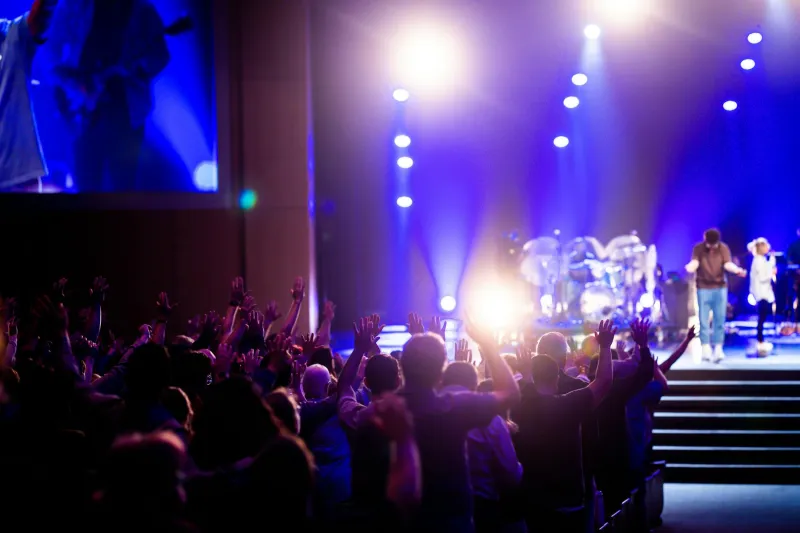
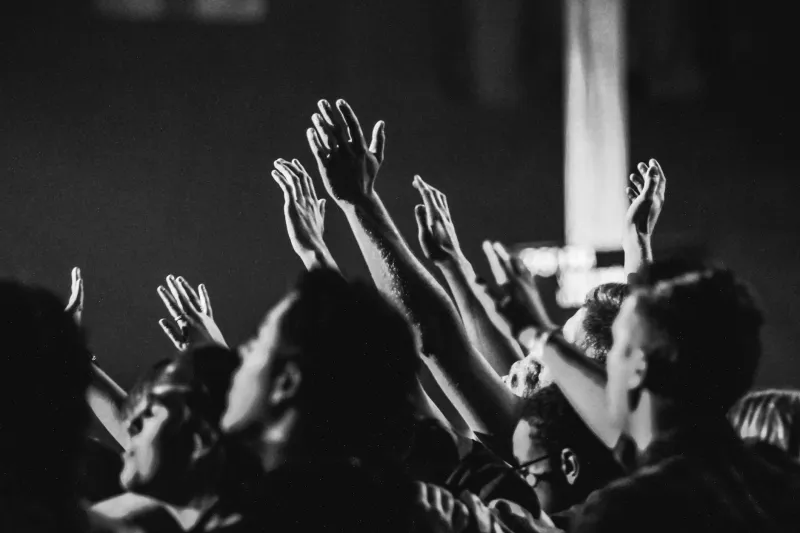
The final chord rings out, the house lights come up, and suddenly thousands of music-hungry Mancunians spill onto the streets like pilgrims emerging from a shared religious experience. But here's the thing – the gig isn't over. Not by a long shot. What happens next is arguably just as crucial to Manchester's musical DNA as anything that occurred on stage.
We're talking about the post-gig pilgrimage, those cherished rituals that every proper Manchester music lover knows by heart. It's the stuff they don't put on the ticket stub, but it's what transforms a simple night out into something approaching folklore.
The Great Chip Shop Debate
First stop on any self-respecting post-Academy trek? The eternal question that's divided friendship groups since time immemorial: where's the best late-night scran? Whether you're team Piccadilly Gardens chippy (controversial but convenient) or you'd rather queue twenty minutes for that legendary place near the Northern Quarter, this decision carries weight.
"It's not just about the food," explains Sarah, a 28-year-old who's been attending Manchester gigs religiously for over a decade. "It's about extending the night, keeping that buzz going while you're still processing what you've just witnessed. Plus, there's something brilliant about discussing whether the band played better tonight than last tour while you're waiting for your chips."
The chip shop debate isn't really about chips at all – it's about community, about shared experience, about the democratic nature of Manchester's music scene where everyone from students to seasoned gig veterans ends up in the same greasy queue, united by ringing ears and that peculiar post-show euphoria.
Metrolink Confessions
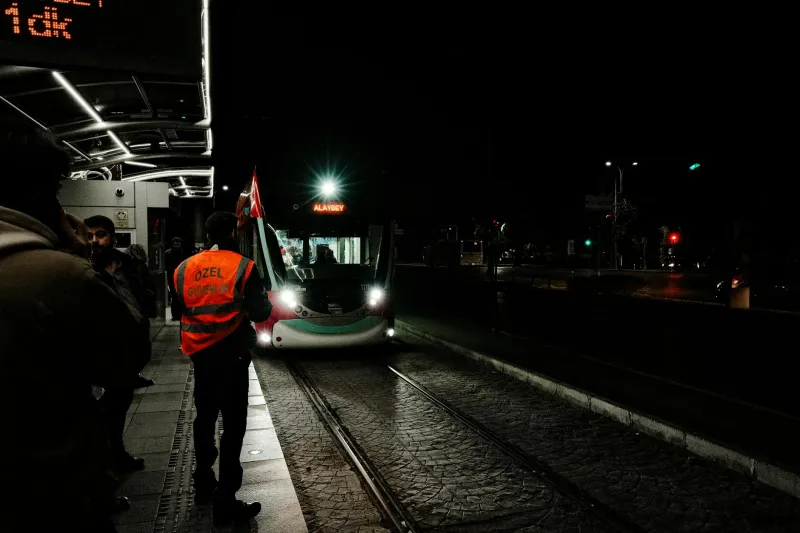
Then there's the journey home itself, transformed from mundane public transport into something approaching group therapy. The last tram becomes a rolling decompression chamber where strangers become temporary best mates, bonded by whatever they've just experienced.
"The tram ride home is where the real magic happens," reckons Dave, who's been documenting Manchester's music scene for the better part of two decades. "You've got people comparing set lists, debating whether that new song was better live, sharing videos they definitely shouldn't have been filming. It's like the world's most democratic music review happening in real time."
The Metrolink carriage becomes a mobile forum where opinions flow as freely as the leftover adrenaline. Did they play the encore too early? Was the sound better in the balcony? Should they have opened with that track instead? These aren't just idle conversations – they're the grassroots discourse that shapes how we collectively remember and mythologise our musical experiences.
The Midnight Pilgrimage Circuit
But Manchester's post-gig rituals extend beyond food and transport. There's the inevitable detour past the venue for one last look, the compulsory check of social media to see if anyone captured that perfect moment, the group photo outside whatever iconic Manchester landmark happens to be nearby.
Some punters have developed their own personal traditions. There's the lad who always buys a pint of milk from the 24-hour shop on his way home ("clears the ears out," he insists, though the science is questionable). The group of mates who've been rating every gig out of ten for the past fifteen years, maintaining a spreadsheet that's become the stuff of legend among their wider circle.
More Than Just Nostalgia
What makes these rituals special isn't just the nostalgia factor – though there's plenty of that. It's how they democratise the music experience, turning what could be a passive consumption of entertainment into something actively communal. In an age where so much music listening happens in isolation, these post-gig traditions remind us that music is fundamentally about connection.
"It's the difference between going to see a band and experiencing a band," argues Emma, a local music journalist who's spent countless nights following these well-worn paths through Manchester's streets. "The gig ends when the band leaves the stage, but the experience continues until you're finally home, probably several hours later, having dissected every moment with whoever was willing to listen."
The Unwritten Rules
Like any sacred tradition, Manchester's post-gig rituals come with their own unwritten rules. You don't leave immediately when the headliner finishes – there might be an encore, and besides, rushing shows you're not a proper fan. You always check if your mates fancy carrying on somewhere, even if you're secretly knackered. And you absolutely, definitely compare notes with anyone who'll listen about how this show stacked up against previous performances.
These aren't random habits that developed by accident. They're cultural practices that have evolved over decades, shaped by the geography of Manchester's music venues, the quirks of its transport network, and the particular character of its music-loving population.
The Digital Age Twist
Social media has added new layers to these ancient rituals. Now the post-gig pilgrimage includes the obligatory Instagram story from the tram, the group WhatsApp chat dissecting the performance, the inevitable debate about whether that blurry video actually captures how incredible that guitar solo was.
But rather than replacing the traditional post-gig experience, digital elements have simply been absorbed into it. The midnight tram ride now includes comparing Spotify stats and sharing TikToks, but the fundamental human need to process and share the experience remains unchanged.
Why It Matters
In a city that's given the world some of its most important musical moments, these post-gig traditions aren't just quaint customs – they're how Manchester's music culture reproduces itself. They're how knowledge gets passed down, how newcomers get initiated, how the collective memory of great gigs gets preserved and embellished.
Every time someone explains to a mate why you absolutely have to stay for the encore, or shares their theory about the best spot to stand at the Academy, they're participating in something bigger than themselves. They're helping to write the ongoing story of what it means to experience live music in Manchester.
So next time you find yourself queuing for chips at half past eleven, debating set lists with strangers on the 192 bus, or taking that inevitable blurry photo outside the venue, remember – you're not just ending a night out. You're participating in one of Manchester's most important cultural traditions, one that's been decades in the making and shows no signs of stopping anytime soon.